Two California cities are going after oil companies with a legal argument that recalls the legislation against big tobacco companies in the 1990s.


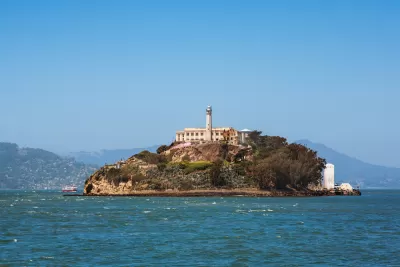
"The cities of San Francisco and Oakland are suing some of the world’s largest oil companies over climate change, joining an emerging legal effort to hold the fossil fuel industry accountable for the damages wrought by rising seas," reports Kurtis Alexander.
Key to the lawsuits: that not only did oil companies release climate change-inducing emissions, they did so knowing the tremendous impacts the emissions would have on the planets.
"Both cities are asking the companies, which include Bay Area-based Chevron, ConocoPhillips, ExxonMobil, Shell and BP, to pay billions in compensation for past and future flooding, coastal erosion and property damage resulting from climate change," according to Alexander.
San Francisco and Oakland aren't the first California municipalities to sue entities representing the fossil fuel industry, though they are the most famous. In July, the counties of Marin and San Mateo, as well as the city of Imperial Beach, also sued along similar lines.
FULL STORY: San Francisco, Oakland sue major oil companies over rising seas

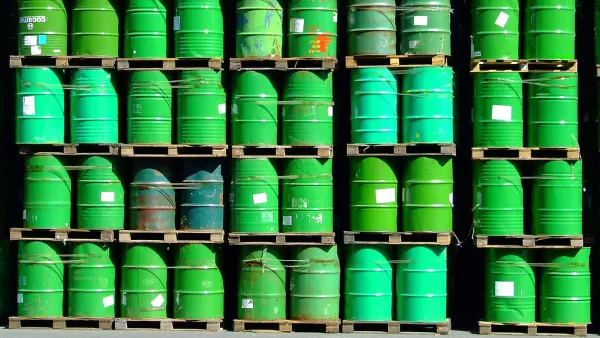
Big Oil Wins Climate Change Lawsuits
The courts are no place to be deciding on the contribution of fossil fuels to climate change, ruled a Northern California federal district court judge in a "stinging defeat" to San Francisco and Oakland that wanted Big Oil to pay mitigation costs.
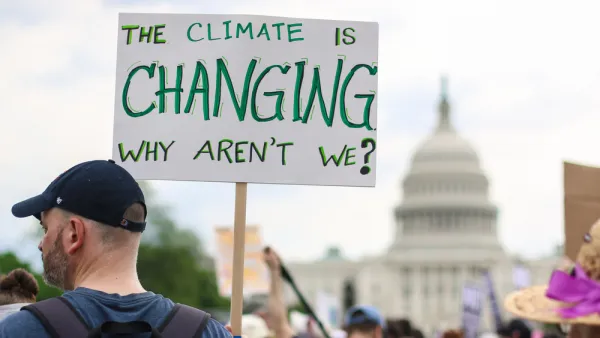
How Cities Can Curb Climate Change and Protect Vulnerable Residents
A new U.N. report urges cities to upgrade their infrastructure to bolster climate resilience and build more sustainable, climate-friendly places.
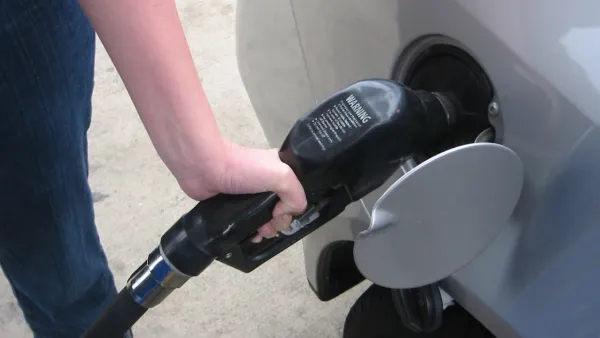
Another Major Climate Win for Big Oil in Federal Court
A New York federal district court rules on a climate change lawsuit like its West Coast counterpart did last month: Don't hold oil companies accountable for climate change and sea level rise. Baltimore and Rhode Island file climate change lawsuits.

The state-sanctioned urbicide of Austin
People don’t kill cities. Freeways do.

US to reduce Colorado River water deliveries to Mexico
A new Colorado Treaty amendment reduces Mexico’s Colorado River water allocation by 250,000 acre feet.

New Jersey’s second-largest city bans standalone data centers
Jersey City will continue to allow co-location facilities, such as those meant for research institutions that store their own data.

Amtrak not solely to blame for New Jersey commuter rail's unreliability, report finds
A new study from the Garden State Initiative found that NJ Transit’s budget grew 20% across a 4 year period, but reliability declined significantly over the same period.

EPA erases limits on planet-warming pollution from power plants
Under Monday’s plan, power plants would still have some limits on how much mercury, arsenic and other contaminants they can emit.

Phoenix announces new on-demand transit service, more frequent RAPID buses
Both new services will launch in October, and are part of Phoenix's Project Effective Access Solutions for Easing Congestion.

FREE Course: Walkable City 1: Why Walkability?
After describing his path towards focusing on walkability as the essence of good planning, Jeff Speck marches through his five principal reasons for making more walkable places.
Reinventing Malls: Planning Alchemy—Turning Gray Fields Into Gold
The course focuses on the opportunities and imperatives that shape reinvention of mall sites.

Eagle County Government
Harvard University Graduate School of Design
Nashville Planning Department
The Architects Foundation
University of Cincinnati Online
The Pocatello Development Authority
The Urban Renewal Agency of the City of Pocatello
Journal of the American Planning Association