Tech thrives on connection, and America's west coast tech hubs are more connected than ever before. But Seattleites aren't in a rush to abandon their city's distinctiveness.


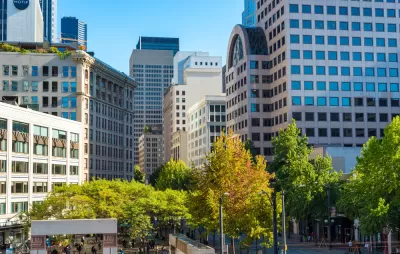
Silicon Valley and Seattle dominate when it comes to tech, and there's a lot of crossover between the two. Referred to here as "Silicon Valley North," recently "the Seattle area has become a complement to the valley. Some even argue that the regions, though 800 miles (1,300km) apart, are becoming one."
Within the industry, there's still a lot distinguishing the two centers. "The valley has plenty of giant firms, but its focus is mainly on startups and smartphones. In contrast, Seattle is still more of a company town, with Amazon and Microsoft, both builders of big data centres, looming large."
While Silicon Valley still dominates the sector, there is give-and-take. For instance, many of Bay Area companies rely on Amazon Web Services, based in Seattle. But as techies jet up and down the coast on commuter flights dubbed the "nerd bird," many Seattleites aren't thrilled by this state of affairs. "Seattleites don't want their city to become like San Francisco, which is dominated by affluent, techie types."
Read the full story: How America’s two tech hubs are converging
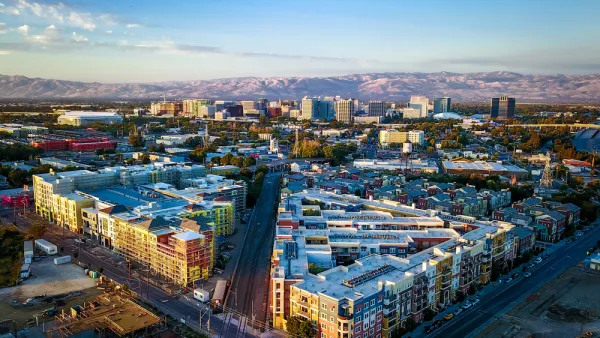
Bay Area Workers are Moving Back
Many of the tech employees who left Silicon Valley during the pandemic are making their way back to the Bay Area–and so are higher rents.
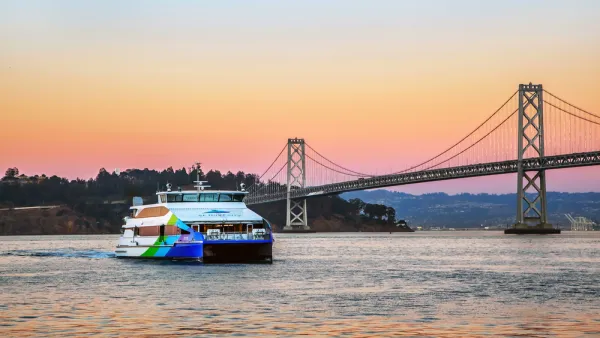
Dismal Poll Findings for Bay Area: Half the Respondents Want to Leave
To paraphrase Bill Clinton, it's the housing, stupid! In addition to the troubling findings of the Bay Area Council poll, a California housing report found that Silicon Valley had the highest percentage of residents leaving their counties.
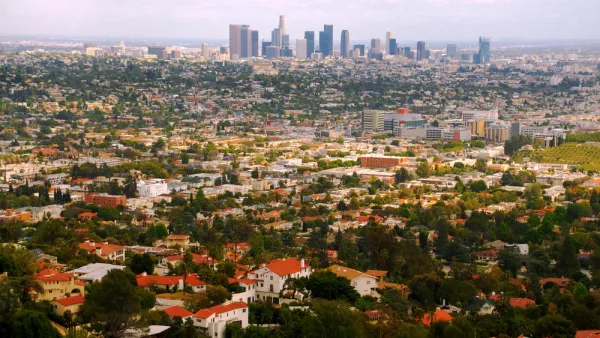
City of Los Angeles Tops 4 Million in Latest State Population Report
As usual, California's fastest growing counties were inland, far from coastal job centers. The big surprise was that the fastest growing city was an affluent Silicon Valley suburb that had been sued in 2012 by affordable housing advocates.

Desperate measures: Advocates weigh draining Lake Powell to fill Colorado River
Draining the reservoir could reduce evaporation losses by a couple hundred thousand acre-feet.

Eastern Nebraska is running out of electricity
Data centers and electrification are straining eastern Nebraska’s grid, throttling economic development.

Malls are becoming the midtowns of the future
Mall and office park redevelopments are a generational opportunity to create new nodes of urbanity.

NYC breaks ground on anti-flooding infrastructure project
New York City's new system will reduce stormwater flows to local sewers by 90%.

One Kentucky town’s secret to affordable housing
The Smoketown Community Land Trust has already built seven affordable homes for community members.

Houston gains petal-shaped cooling infrastructure to make streets more ‘delightful’
The city has installed the pavilions along 15 blocks in Houston.

FREE Course: Walkable City 1: Why Walkability?
After describing his path towards focusing on walkability as the essence of good planning, Jeff Speck marches through his five principal reasons for making more walkable places.
Reinventing Malls: Planning Alchemy—Turning Gray Fields Into Gold
The course focuses on the opportunities and imperatives that shape reinvention of mall sites.

City of Rosemead
Rutgers University, Edward J. Bloustein School of Planning and Public Policy
One Hundred Miles
University of Michigan School for Environment and Sustainability (SEAS)
Hunter College, City University of New York (CUNY)
The Architects Foundation
City of Cambridge
Montrose County
The Pocatello Development Authority