Aaron Renn identifies the negative effects of ongoing concentration of media professionals of the "writer" variety in New York City, Washington, D.C., and Los Angeles.


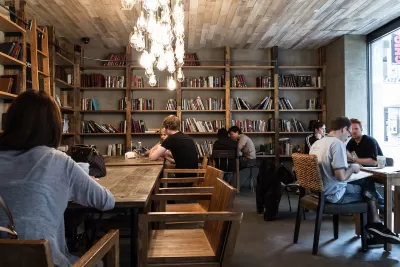
Aaron Renn responds to an earlier article by Nieman Lab about the increasing concentration of media in New York, DC, and Los Angeles. The problem, Renn argues, arises when the city needs to do the critical work of articulating a city identity. "To most successfully build or rebuild a place, it’s important to articulate that civic identity and work with it, not against it," writes Renn.
So therefore a large number of writers can help the city improve and expand amount of literary work describing the city—improving and expanding each city's section of the bookstore, as Renn describes it.
To unearth and understand the culture and identity of a place requires going on an anthropological or archeological mission deep into the soil of a city, with a proper balance of affection and detachment.
Renn goes on to describe more of the implications of the clustering of media professionals.
Read the full story: There Are No Writers Here

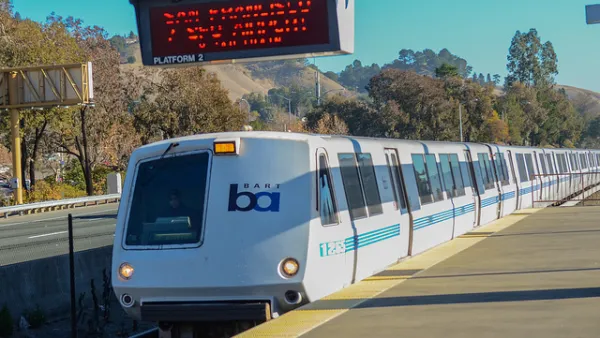
Bay Area Transit Stations To Feature Local Writers
A contest in the San Francisco Bay Area will select 30 short stories that will be available at special vending kiosks at transit stations.
The 'Garbage Language' of Planning
The language we use as planners can serve many purposes and often hinders good communication rather than fostering it.
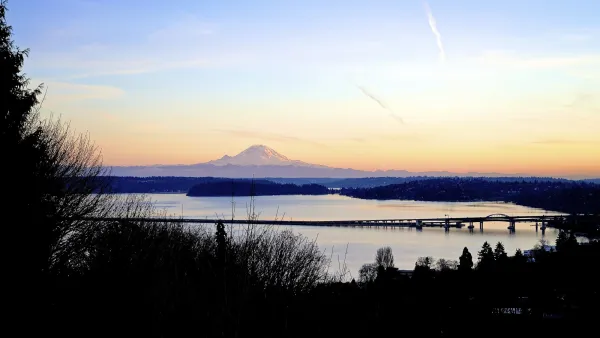
How Setting Makes a Place: A Seattle Retrospective
Chuck Wolfe reflects on his rapidly changing hometown, arguing that Seattle’s signature location and setting—however rearranged by the regrades of the past, Freeway Park, or a pending James Corner-led waterfront remake—remains for all to see.

Planetizen Federal Action Tracker
A weekly monitor of how Trump’s orders and actions are impacting planners and planning in America.

The state-sanctioned urbicide of Austin
People don’t kill cities. Freeways do.

US to reduce Colorado River water deliveries to Mexico
A new Colorado Treaty amendment reduces Mexico’s Colorado River water allocation by 250,000 acre feet.

Nation's most wind-powered state turns to coal as data centers increase energy demand
For the first time in decades, Iowa has increased its generation of coal power.

NYC cools commuters with city's first rain garden above a bus stop
New York City officials say the plants in the rain garden can absorb 16 gallons of rainwater during heavy storms.

Brightline West’s future may rely on $6 billion federal loan
The company has until Nov. 2 to make a $400 million equity investment into its proposed high-speed rail line.

FREE Course: Walkable City 1: Why Walkability?
After describing his path towards focusing on walkability as the essence of good planning, Jeff Speck marches through his five principal reasons for making more walkable places.
Reinventing Malls: Planning Alchemy—Turning Gray Fields Into Gold
The course focuses on the opportunities and imperatives that shape reinvention of mall sites.

Greater Baltimore Committee
Eagle County Government
Harvard University Graduate School of Design
The Architects Foundation
University of Cincinnati Online
The Pocatello Development Authority
The Urban Renewal Agency of the City of Pocatello
Journal of the American Planning Association