Chuck Wolfe reflects on his rapidly changing hometown, arguing that Seattle’s signature location and setting—however rearranged by the regrades of the past, Freeway Park, or a pending James Corner-led waterfront remake—remains for all to see.


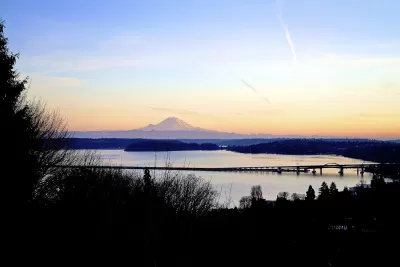
Writing from his new London home base, in Seattle's Crosscut, Wolfe explores "what is most important to a city’s identity from the outside, looking in?".
In response, he describes international perceptions of Seattle. He then explains how his hometown has influenced the world--from grunge to Boeing, Microsoft, Starbucks and Amazon. Yet, the city's major assets of setting and views live on:
A stunning view cuts across class and space and time, evoking the history and landscape of all those who have been here, including the first peoples to live around Puget Sound. A classic view becomes embedded in memory as the symbol of city’s impact on those who see and remember its essence. Despite Seattle’s growth and change, its setting remains an incomparable asset from vantage points across the city, and an exemplary resource for those who look from across the world.
FULL STORY: A view of Seattle from the outside looking in

Connecting the Dots Between Governance and Placemaking
Seattle's beloved Pike Place offers a case study in how careful governance builds the foundation for flourishing places.
How the Built Environment Shapes Music
From Motown to grunge, techno to hip hop, modern music came to life in garages, living rooms, churches, and warehouses. Urban design has been instrumental to what we listen to every day.
Visioning Edges in Cities, and the Spaces Beyond
In an inspirational essay about the undeveloped boundaries of the public domain (such as street-ends), Chuck Wolfe urges innovation in city spaces where we "blend the familiar with the edge of the unknown."

The state-sanctioned urbicide of Austin
People don’t kill cities. Freeways do.

US to reduce Colorado River water deliveries to Mexico
A new Colorado Treaty amendment reduces Mexico’s Colorado River water allocation by 250,000 acre feet.

New Jersey’s second-largest city bans standalone data centers
Jersey City will continue to allow co-location facilities, such as those meant for research institutions that store their own data.

Amtrak not solely to blame for New Jersey commuter rail's unreliability, report finds
A new study from the Garden State Initiative found that NJ Transit’s budget grew 20% across a 4 year period, but reliability declined significantly over the same period.

EPA erases limits on planet-warming pollution from power plants
Under Monday’s plan, power plants would still have some limits on how much mercury, arsenic and other contaminants they can emit.

Phoenix announces new on-demand transit service, more frequent RAPID buses
Both new services will launch in October, and are part of Phoenix's Project Effective Access Solutions for Easing Congestion.

FREE Course: Walkable City 1: Why Walkability?
After describing his path towards focusing on walkability as the essence of good planning, Jeff Speck marches through his five principal reasons for making more walkable places.
Reinventing Malls: Planning Alchemy—Turning Gray Fields Into Gold
The course focuses on the opportunities and imperatives that shape reinvention of mall sites.

Eagle County Government
Harvard University Graduate School of Design
Nashville Planning Department
The Architects Foundation
University of Cincinnati Online
The Pocatello Development Authority
The Urban Renewal Agency of the City of Pocatello
Journal of the American Planning Association