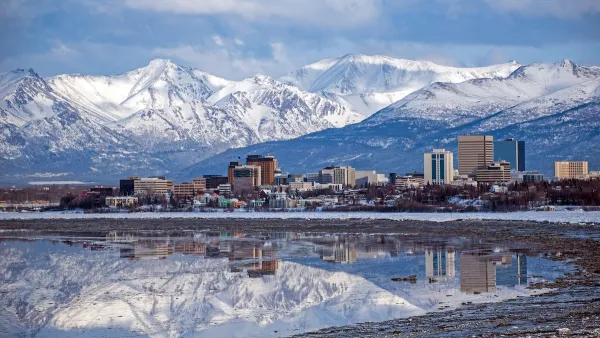
After 34 years the Municipality of Anchorage is updating its land use plan map, a companion piece to its comprehensive plan adopted in 2001. The land use plan map sets the stage for future growth and development in this Northern City of 301,000.


APRN reporter Josh Edge writes, "The most-recent projections – which have been adjusted since the price of oil has declined – anticipate Anchorage’s population will grow between 15,000 and 45,000 people within the next 25 years. That means city planners need to figure out how Anchorage can change to accommodate the growth."
One third of the state's population and nearly half of its jobs puts Anchorage at the heart of an emerging metro region. The Land Use Plan Map update incorporates significant analysis of Anchorage's demographics and projected growth; current and future economic changes; current land sues; and future land capacity. This data informs the policies and strategies included in the LUPM update. Once adopted, the LUPM will provide guidance when developing other plans and making land use and development decisions, public infrastructure investments, and evaluating proposed zoning changes, in coordination with other elements of the Comprehensive Plan.
Read the full story: Municipality updating Anchorage’s dated land use plan
Anchorage Leaders Support Multigenerational Housing Model
The city is making it easier to build multigenerational housing that can accommodate families, children, and seniors who want to ‘age in place.’
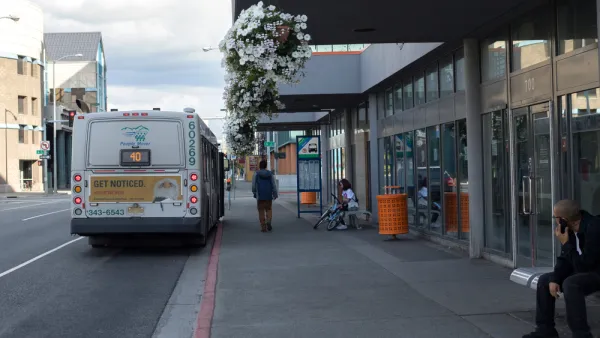
Anchorage Bus Depot to Reopen
After a four-year closure, a downtown Anchorage transit center will once again provide indoor waiting areas and services for bus travelers.

ForwardDallas Lays out Bold Vision, Lacks Teeth
The land use plan outlines ambitious goals for the city’s future, but offers little in the way of concrete changes.

Planetizen Federal Action Tracker
A weekly monitor of how Trump’s orders and actions are impacting planners and planning in America.

California plans to bury El Niño’s downpour
If the state plays its cards right, it may be able to store a billion acre-feet of El Niño’s water in aquifers.

Desperate measures: Advocates weigh draining Lake Powell to fill Colorado River
Draining the reservoir could reduce evaporation losses by a couple hundred thousand acre-feet.

Housing is the top priority of Seattle’s sole new councilmember
Jenks campaigned on building 1,000 new units of affordable housing.

New tax cuts may slash $1.5 billion in funding for Miami transit, public parks
Amendment 3 will save Miami-Dade homeowners $2,700 in 2028.

Arizona, Wisconsin, Pennsylvania hope to finally advance climate goals post-midterms
The three states have spent years under Republican or divided control.

FREE Course: Walkable City 1: Why Walkability?
After describing his path towards focusing on walkability as the essence of good planning, Jeff Speck marches through his five principal reasons for making more walkable places.
Reinventing Malls: Planning Alchemy—Turning Gray Fields Into Gold
The course focuses on the opportunities and imperatives that shape reinvention of mall sites.

City of Rosemead
Rutgers University, Edward J. Bloustein School of Planning and Public Policy
One Hundred Miles
University of Michigan School for Environment and Sustainability (SEAS)
Hunter College, City University of New York (CUNY)
The Architects Foundation
City of Cambridge
Montrose County
The Pocatello Development Authority