Mayor de Blasio wants to build a $2.5 billion, 17-mile Brooklyn-Queens streetcar (BQX). Emma G. Fitzsimmons of The New York Times suggests he look for tips across the River—not the East but the Hudson, at NJ Transit's Hudson-Bergen Light Rail.


New Jersey Transit's 18-mile Hudson-Bergen Light Rail (HBLR) line opened in 2000 and carries more than 46,800 weekday passengers. It is one of three light rail lines owned by NJT, the other two being the Newark and River Lines.
The line "travels from Bayonne through Jersey City and Hoboken to Weehawken," writes Fitzsimmons. "The system offers a look at the benefits, and challenges, of creating a modern transit system that blends into the urban streetscape."

The first thought readers may have is questioning the comparison because one is light rail, the other a streetcar. Well, not quite.
"The feasibility study for the Brooklyn-Queens streetcar [BQX or Brooklyn Queens Connector] route, which was paid for by a group that includes real estate interests, recommended what amounted to a hybrid streetcar and light-rail system," writes Fitzsimmons.
Light rail generally has clear separation from streets and longer distances between stops, while streetcars fit in more seamlessly with city traffic. The plan under consideration calls for a streetcar with light-rail features, including more space between stations and a dedicated lane when possible. But the streetcar would move at slower speeds than light rail, at an average of 11.3 miles per hour, according to the mayor’s office.
The tips come from what to expect in terms of opposition, e.g., loss of parking spaces, and how it can benefit the communities the rail system serves.
"U.S. Sen. Robert Menendez, Sen. Cory Booker, and other supporters say the Hudson-Bergen line has brought significant residential and commercial development to Hudson County, boosted the economy in the districts it passes through, and helped relieve highway congestion," writes Meir Rinde for NJ Spotlight in an article about extending the line to Bergen County, the Garden State's most populous county.
Mayor Steven M. Fulop of Jersey City tells Fitzsimmons what may be in the BQX's future, should it graduate from a plan to a project.
“There was tremendous pushback from the community,” Mr. Fulop said of early hostility to the light rail’s route along Essex Street in Jersey City. “Today, I think the residents there would tell you it was a huge success.”
Hat tip to Martine Powers, POLITICO Morning Transportation
Read the full story: What Planners of Brooklyn-Queens Streetcar Line Can Learn in New Jersey

Brooklyn Queens Streetcar Hopes to Learn from D.C. Streetcar's Mistakes
The long-awaited opening of the D.C. Streetcar on Feb. 27 brings time for reflection on Mayor Bill de Blasio's proposed $2.5 billion Brooklyn Queens Connector, part streetcar, part light rail. D.C.'s line took a decade of planning and construction.
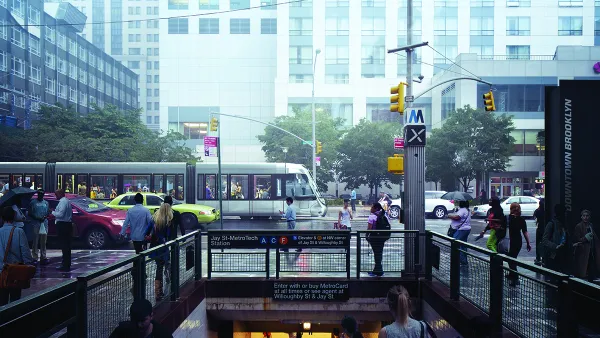
Brooklyn-Queens Connector Streetcar Plans Released
Plans for the Brooklyn-Queens Connector, otherwise known as the BQX, are still on the table, despite reports of the project's demise.
BQX Streetcar Lacks Funding in de Blasio's Proposed Budget
It's been awhile since the proposed BQX Streetcar project had any forward momentum in New York City.

Planetizen Federal Action Tracker
A weekly monitor of how Trump’s orders and actions are impacting planners and planning in America.

The state-sanctioned urbicide of Austin
People don’t kill cities. Freeways do.

US to reduce Colorado River water deliveries to Mexico
A new Colorado Treaty amendment reduces Mexico’s Colorado River water allocation by 250,000 acre feet.

Nation's most wind-powered state turns to coal as data centers increase energy demand
For the first time in decades, Iowa has increased its generation of coal power.
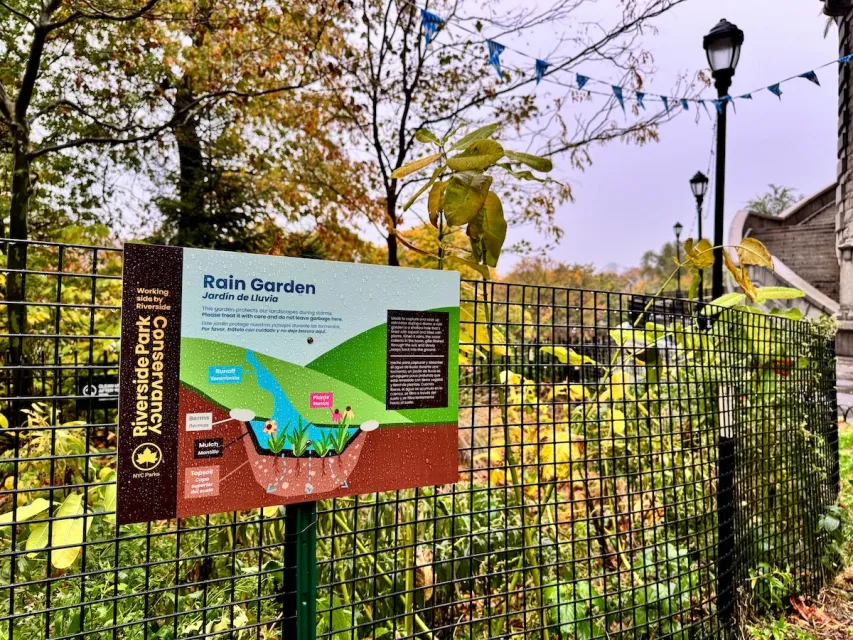
NYC cools commuters with city's first rain garden above a bus stop
New York City officials say the plants in the rain garden can absorb 16 gallons of rainwater during heavy storms.

Brightline West’s future may rely on $6 billion federal loan
The company has until Nov. 2 to make a $400 million equity investment into its proposed high-speed rail line.

FREE Course: Walkable City 1: Why Walkability?
After describing his path towards focusing on walkability as the essence of good planning, Jeff Speck marches through his five principal reasons for making more walkable places.
Reinventing Malls: Planning Alchemy—Turning Gray Fields Into Gold
The course focuses on the opportunities and imperatives that shape reinvention of mall sites.

Eagle County Government
Harvard University Graduate School of Design
Nashville Planning Department
The Architects Foundation
University of Cincinnati Online
The Pocatello Development Authority
The Urban Renewal Agency of the City of Pocatello
Journal of the American Planning Association