A new post by Richard Florida distinguished between the two different types of migration—domestic and international—driving the influx of residents in urban centers around the country.



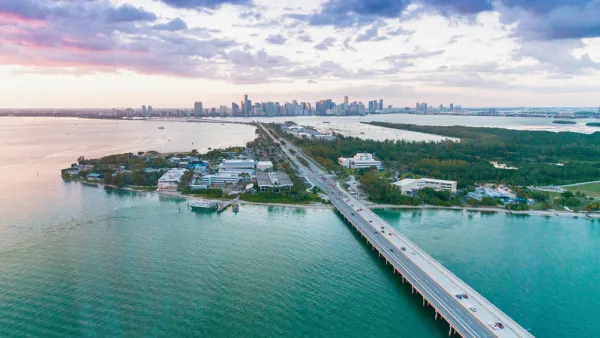
“While many metro areas are attracting a net-inflow of migrants from other parts of the country, in several of the largest metros – New York, L.A., and Miami, especially – there is actually a net outflow of Americans to the rest of the country. Immigration is driving population growth in these places. Sunbelt metros like Houston, Dallas, and Phoenix, and knowledge hubs like Austin, Seattle, San Francisco, and D.C. are gaining much more from domestic migration,” explains Richard Florida.
Among the maps and visualizations of the research findings, based on data released by the U.S. Census Bureau at the end of March, Florida breaks down the cities that are losing and gaining residents, and how:
- “The three largest metros – New York, Los Angeles, and Chicago – all lost Americans to the rest of the country. New York saw a net outflow of more than 100,000 from 2012 to 2013. Los Angeles and Chicago each saw a net outflow of roughly 50,000.”
- By comparison: “The biggest net gainers of domestic population were a mix of low-cost Sunbelt metros like Phoenix, San Antonio, Dallas and Orlando; energy centers like Houston; leading knowledge and technology hubs like San Francisco, Austin, and Seattle; and Nashville, with its thriving music scene.”
Read the full story: Two Very Different Types of Migrations Are Driving Growth in U.S. Cities


More People Are Leaving Coastal Cities
Rising housing costs and the growth of more urbanized, amenity-rich small metros are driving college-educated workers away from “superstar cities.”

U.S. Population Growing Again in 2022 After Flatlining in 2021
The U.S. Census released new population estimates last week, showing an increase in population growth just a year after national population growth crawled to an unprecedented halt.
The Great American Exodus: A Conservative's Perspective
During his keynote speech on September 11 at the National Conservatism Conference in Miami, Florida Governor Ron DeSantis describes the demographic shifts in America since he became governor in 2019 in what he calls the 'Great American Exodus.'

Planetizen Federal Action Tracker
A weekly monitor of how Trump’s orders and actions are impacting planners and planning in America.

‘Going backwards:’ Baltimore mayor, students rally against state's transit funding plan
Maryland's proposed six-year plan provides no funding for Baltimore’s BMORE bus program and reduces its road maintenance funding.

Detroit to transform waterfront with $2.2 billion investment
Developers will convert about 18 acres of unused parking lot space into civic spaces.

U.S.-Iran war may have ‘devastating’ impact on cost to warm homes
Vermont and Maine residents may see a 76% increase in the cost of warming their homes this winter.

Senate bill would ‘overhaul’ environmental permitting laws
Under the proposed act, government agencies would also not be able to suspend or rescind permits after granting them.

Exemption applications for NYC’s pied-à-terre tax see 55% success rate
The city sent nearly 40% of its initial pied-à-terre tax warnings erroneously.

FREE Course: Walkable City 1: Why Walkability?
After describing his path towards focusing on walkability as the essence of good planning, Jeff Speck marches through his five principal reasons for making more walkable places.
Reinventing Malls: Planning Alchemy—Turning Gray Fields Into Gold
The course focuses on the opportunities and imperatives that shape reinvention of mall sites.

One Hundred Miles
County of Mendocino
planning NEXT
The Architects Foundation
University of Cincinnati Online
Montrose County
Northern Illinois Transit Authority (NITA)
The Pocatello Development Authority