A new survey of the American people from the Pew Research Center ranks the priorities of the public on matters like the deficit, healthcare, and crime. Bringing up the rear of public concern: infrastructure and global warming.


The headline for the Pew Research Center’s new public poll is about the slip in concern over the nation’s deficit, but buried in the data is indication of the relative lack of concern of the public over the state of the nation’s bridges, roads, and public transportation systems.
The poll, which asks the public to rate their top priority for the president and Congress each year, places “Improving roads, bridges, and public transit” at 39 percent—18th on the list and tied with “Dealing with moral breakdown.” The concern over transportation infrastructure did jump 9 percent from 2013 to 2014.
Another sector of infrastructure concern, “the nation’s energy problem,” ranked 13th at 45 percent. In another show of indifference, only 29 percent of respondents listed global warming among their priorities.
As for the historic trends of the public’s prioritization for infrastructure and global warming, Pew added questions on these subjects well into the 13-year tradition of the poll. The first results for infrastructure were posted in 2011, and the first results for global warming were released in 2007.
Read the full story: Deficit Reduction Declines as Policy Priority
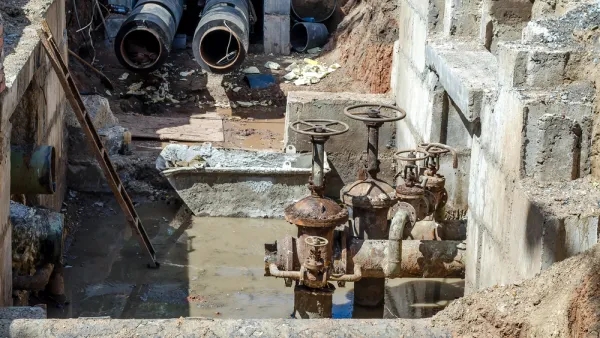
Biden Administration Reportedly Crafting a $3 Trillion Infrastructure Package
Just a few days after signing the $1.9 trillion "American Rescue Plan," the Biden administration is reportedly putting together a massive infrastructure spending plan that could overhaul the nation's transportation an energy infrastructure.
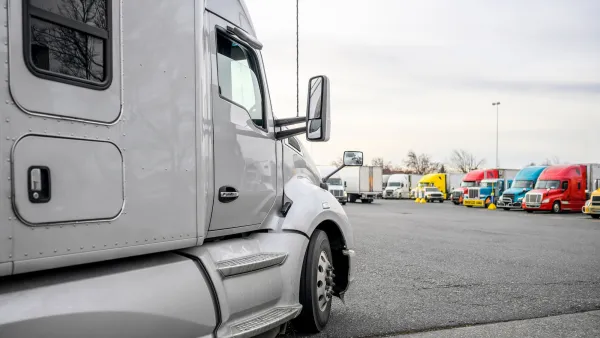
New USDOT safety strategy highlights enforcement, embraces autonomous cars
The new National Roadway Safety Strategy emphasizes safety technology and enforcement and promises to further crack down on immigrant truck drivers with illicitly obtained licenses.
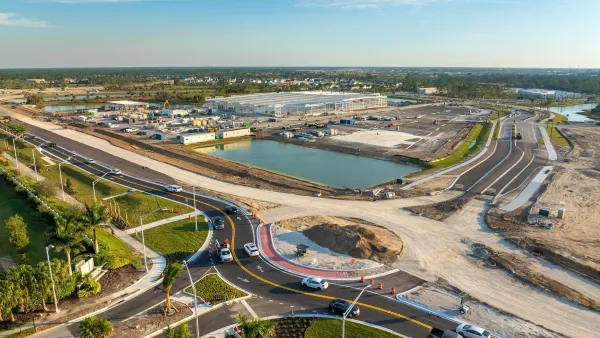
Analysis: What does America want from surface transportation reauthorization?
Over 13,000 comments were submitted in the federal Request for Information on surface transportation reauthorization. We analyzed all of them.

Desperate measures: Advocates weigh draining Lake Powell to fill Colorado River
Draining the reservoir could reduce evaporation losses by a couple hundred thousand acre-feet.

Eastern Nebraska is running out of electricity
Data centers and electrification are straining eastern Nebraska’s grid, throttling economic development.

Malls are becoming the midtowns of the future
Mall and office park redevelopments are a generational opportunity to create new nodes of urbanity.

NYC breaks ground on anti-flooding infrastructure project
New York City's new system will reduce stormwater flows to local sewers by 90%.

One Kentucky town’s secret to affordable housing
The Smoketown Community Land Trust has already built seven affordable homes for community members.

Houston gains petal-shaped cooling infrastructure to make streets more ‘delightful’
The city has installed the pavilions along 15 blocks in Houston.

FREE Course: Walkable City 1: Why Walkability?
After describing his path towards focusing on walkability as the essence of good planning, Jeff Speck marches through his five principal reasons for making more walkable places.
Reinventing Malls: Planning Alchemy—Turning Gray Fields Into Gold
The course focuses on the opportunities and imperatives that shape reinvention of mall sites.

City of Rosemead
Rutgers University, Edward J. Bloustein School of Planning and Public Policy
One Hundred Miles
University of Michigan School for Environment and Sustainability (SEAS)
Hunter College, City University of New York (CUNY)
The Architects Foundation
City of Cambridge
Montrose County
The Pocatello Development Authority