Drawing on 2010 Census data, the Coalition for Smarter Growth highlights the prevalence of alternative transportation in the nation's capital.


Nearly half of all households in three of D.C.'s eight wards do not own a car, according to recent census data compiled by the Coalition for Smarter Growth.
As David Alpert reports, low rates of car ownership in the capital are not limited to low-income neighborhoods: the second-lowest figure (just 54% of households owning a vehicle) belongs to a "wealthy part of the city."
Alpert suggests that reduced car ownership benefits everyone – by encouraging the growth of alternatives for those who don't drive and cutting down traffic for those who do. "Therefore," he writes, "we should all look for policies that help these numbers grow."
Read the full story: Latest Data Shows Plenty of Car-Free Living in DC

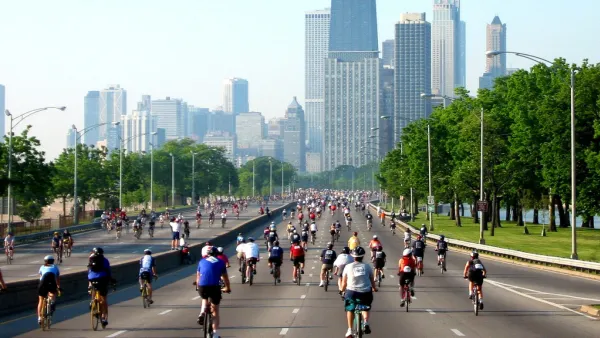
Car-Free Cities, Measured
The CityLab team has created a new metric to measure the U.S. cities where people are most likely to be car free.
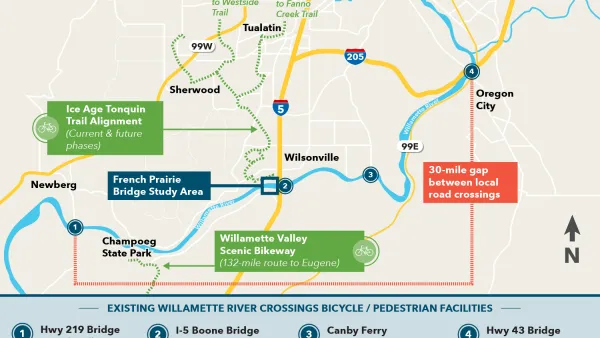
Finishing Touches for Car-Free Bridge Plan in Oregon
All the French Prairie Bridge plan needs is a final design. Eventually this car-free bridge will provide a key link in a 1,000-mile network of paths and trails.
Walking The New Broadway
Jeff Prant of Carbusters pays a visit to New York's Times Square, and marvels at its transformation into a true public square.

Planetizen Federal Action Tracker
A weekly monitor of how Trump’s orders and actions are impacting planners and planning in America.

‘Going backwards:’ Baltimore mayor, students rally against state's transit funding plan
Maryland's proposed six-year plan provides no funding for Baltimore’s BMORE bus program and reduces its road maintenance funding.

Detroit to transform waterfront with $2.2 billion investment
Developers will convert about 18 acres of unused parking lot space into civic spaces.

Less housing, wasted money: study reveals impact of city parking mandates
The study found that 71% of carless households in the United States pay for a parking space they don’t use.

Minnesota seeks to replace fraud-ridden Housing Stabilization Services with new program
Federal prosecutors have charged over a dozen people in fraud cases involving at least $26 million.

A multi-billion dollar problem is brewing under Oakland’s streets
Oakland’s stormwater drainage systems are in desperate need of upgrades and repairs. The El Niño will only further strain the city’s infrastructure.

FREE Course: Walkable City 1: Why Walkability?
After describing his path towards focusing on walkability as the essence of good planning, Jeff Speck marches through his five principal reasons for making more walkable places.
Reinventing Malls: Planning Alchemy—Turning Gray Fields Into Gold
The course focuses on the opportunities and imperatives that shape reinvention of mall sites.

One Hundred Miles
County of Mendocino
planning NEXT
The Architects Foundation
University of Cincinnati Online
Montrose County
Northern Illinois Transit Authority (NITA)
The Pocatello Development Authority