South Korea is making perhaps the biggest moves towards creating a vast "smart" electricity grid with a test grid of homes equipped with new meters and applications that communicate with each other and the grid.


More than 2,000 homes have been hooked up to the test grid so far.
"The $220-million pilot project is aimed at reducing an area's electricity costs and energy consumption, through the use of smarter technologies, increased efficiency and more renewable energy sources.
The Smart Grid is about more than just Jeju; it is a strategic investment. South Korea is betting that making progress in combining smart technology and green energy in one ecosystem will allow it to build larger grids for cities. The national government - and its private partners - are also hoping that they will eventually export the system to cities around the world. As the world's urban population grows, energy consumption and costs are likely to be one of the brakes on economic development.
Pollution from carbon-based energy generation is also a leading source of greenhouse gases. Many cities would welcome the chance to reduce their carbon footprint."
FULL STORY: To Build a Better Grid

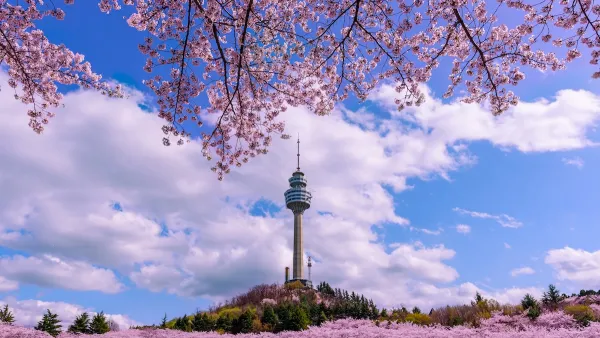
Seoul’s Urban Parks Blossom with Books
The Reading in Seoul Garden event invited residents to enjoy free reading and relaxation activities, including digital and live programs, in scenic parks, fostering a sense of community amid the city’s autumn landscapes.
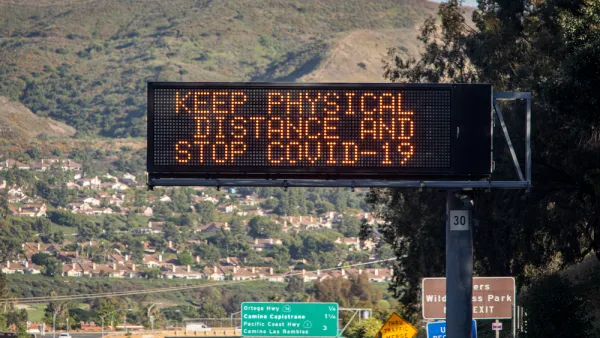
Second Anniversary of the COVID-19 Pandemic
March 11 marked the second anniversary of WHO's declaration of the pandemic and the beginning of its third year. Cases continue to plummet in the U.S. and plateau globally while war in Europe has overshadowed the virus that has killed 6 million.

Pumping More Oil to Lower Gas Prices
Proponents of increased oil drilling in the U.S. to replace banned Russian oil argue that it will decrease prices at the pump. A Texas reporter examined the claim with a University of Texas energy analyst. If only it was that simple.

The state-sanctioned urbicide of Austin
People don’t kill cities. Freeways do.

US to reduce Colorado River water deliveries to Mexico
A new Colorado Treaty amendment reduces Mexico’s Colorado River water allocation by 250,000 acre feet.

New Jersey’s second-largest city bans standalone data centers
Jersey City will continue to allow co-location facilities, such as those meant for research institutions that store their own data.

Amtrak not solely to blame for New Jersey commuter rail's unreliability, report finds
A new study from the Garden State Initiative found that NJ Transit’s budget grew 20% across a 4 year period, but reliability declined significantly over the same period.

EPA erases limits on planet-warming pollution from power plants
Under Monday’s plan, power plants would still have some limits on how much mercury, arsenic and other contaminants they can emit.

Phoenix announces new on-demand transit service, more frequent RAPID buses
Both new services will launch in October, and are part of Phoenix's Project Effective Access Solutions for Easing Congestion.

FREE Course: Walkable City 1: Why Walkability?
After describing his path towards focusing on walkability as the essence of good planning, Jeff Speck marches through his five principal reasons for making more walkable places.
Reinventing Malls: Planning Alchemy—Turning Gray Fields Into Gold
The course focuses on the opportunities and imperatives that shape reinvention of mall sites.

Eagle County Government
Harvard University Graduate School of Design
Nashville Planning Department
The Architects Foundation
University of Cincinnati Online
The Pocatello Development Authority
The Urban Renewal Agency of the City of Pocatello
Journal of the American Planning Association