As the downturn in the market physically reshapes the metropolitan regions of the United States, the shifting populations and economies of its cities and suburban areas are becoming increasingly intertwined.


This post from Richard Florida explores the shifts underway, and what the new urban-suburban city-states mean in the new economy.
"Watching the Reset unfold, it's been fascinating to see how quickly the once great divide between our cities and suburbs has been shrinking. The most desirable neighborhoods look increasingly similar, no matter where they are. The best urban neighborhoods are safe and have good schools; they are becoming strollervilles and toddler-towns, filled with families as well as singles. The best suburban neighborhoods have great commercial districts with restaurants, movie theaters, and all manner of amenities.
As many of our cities and older inner-ring suburbs are being renovated and revitalized, the great challenge of our time -- far bigger than urban renewal was in decades past -- is to remake our many shoddily-built, far-off exurbs into denser, more- connected, more livable communities. Some of them -- the ones that were built as much to keep the building boom going as because people needed to live in them -- might be fated to shrink back into small towns or disappear altogether."
Read the full story: How the Great Reset Has Already Changed America

Big and Getting Bigger
Cities on the rise are growing faster and cities on the decline are shrinking slower, according to new figures from the U.S. Census Bureau.
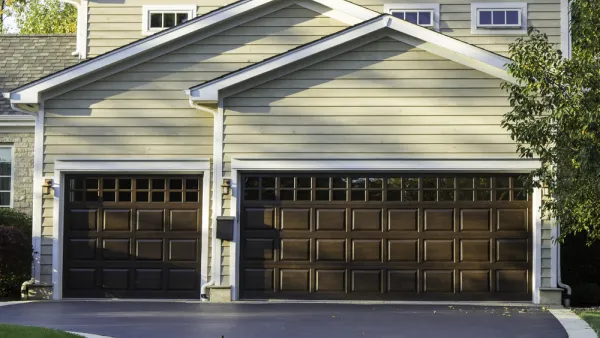
Prices Pushing Home Buyers to Suburbs
Unlike previous generations that fled cities, in part over of fears of crime, today people leave many cities because they can't afford them.
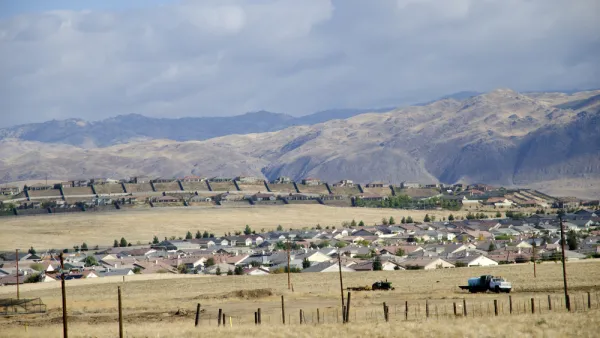
Exurbs Growing Fast
American exurbs growing again, after brief period of urbanization.

Planetizen Federal Action Tracker
A weekly monitor of how Trump’s orders and actions are impacting planners and planning in America.

Amtrak, CN end decades-long dispute with eight-year agreement
The new operating agreement establishes an updated framework for the companies to work together, including processes to resolve disputes.

Northwest rail fans eager for Sept. 30 debut of Amtrak’s Airo fleet
Get ready for that new train smell and more seats. But they won’t go faster or run more frequently on the Cascades route in Washington and Oregon.

NYC to turn city-owned property into thousands of homes
The city has scheduled a public hearing regarding the development for October.

Buses travel at 5mph along this route in NYC. The Bronx's first-ever busway looks to change that
Prior to the busway, buses on the Bx36 route traveled as slowly as 5 miles per hour.

Pittsburg launches 'EZ permits,' aims for one-day turnaround for low-risk permits
The pilot ‘fast lane’ for permits is part of a bundle of modernization efforts for Pittsburg’s permitting process.

FREE Course: Walkable City 1: Why Walkability?
After describing his path towards focusing on walkability as the essence of good planning, Jeff Speck marches through his five principal reasons for making more walkable places.
Reinventing Malls: Planning Alchemy—Turning Gray Fields Into Gold
The course focuses on the opportunities and imperatives that shape reinvention of mall sites.

City of Thousand Oaks
City of Wisconsin Rapids
Harvard University Graduate School of Design
The Architects Foundation
University of Cincinnati Online
The Pocatello Development Authority
The Urban Renewal Agency of the City of Pocatello