Trails and walking paths are commonly built in suburban areas. But their mere presence doesn't automatically mean they'll be used, according to a new study.


Researchers at the University of California, Santa Barbara found that the building a new trail in an area didn't result in an increase in physical activity.
"One unique aspect of the study was its "before-and-after" approach - it measured the neighbors' walking-jogging-cycling frequency before the trail was built and after it was completed. About 87 percent of those who used the new trail reported they were pursuing these activities before the path was constructed and used sidewalks or more distant trails. Proximity to the trail had no significant effect on total physical activity; those near it were no more likely to use it than those farther away."
Read the full story: Suburban Trail Use Not a Sure Thing
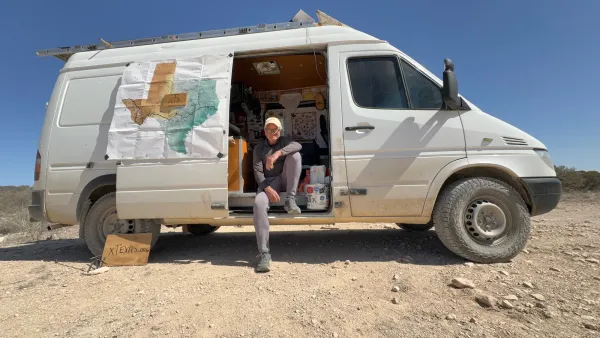
Meet the Team Working to Create a 1,500-mile Trail Across Texas
The proposed xTx route would safely allow hikers, bikers, and equestrians to cross the entire state from the Louisiana border to El Paso.

Walking Paths as Everyday Infrastructure
Walking paths are simple yet transformative features in parks that promote health, equity, and community connection, proving that small investments can deliver lasting benefits.
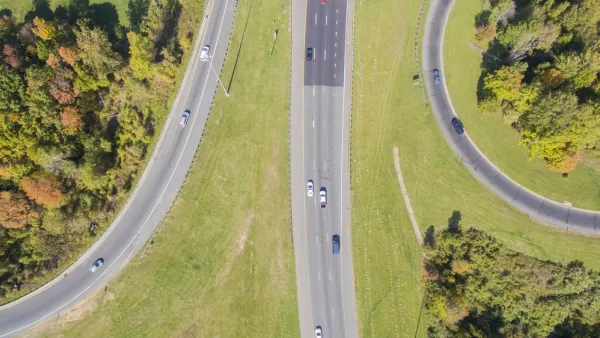
Obesity Tied to Suburban Life
London-based study ties obesity to sprawl and finds that suburbs have a bigger obesity problem than rural areas.

Planetizen Federal Action Tracker
A weekly monitor of how Trump’s orders and actions are impacting planners and planning in America.

California plans to bury El Niño’s downpour
If the state plays its cards right, it may be able to store a billion acre-feet of El Niño’s water in aquifers.

Desperate measures: Advocates weigh draining Lake Powell to fill Colorado River
Draining the reservoir could reduce evaporation losses by a couple hundred thousand acre-feet.

Los Angeles just elected an urban planner as its mayor
Transportation analysts are optimistic that Raman will be more aggressive in addressing transit issues than Bass.

Mamdani’s pied-à-terre tax survives legal challenge
A panel of judges found that the plaintiffs failed to demonstrate injury as a result of New York City's implementation of the tax.

Eastern Nebraska is running out of electricity
Data centers and electrification are straining eastern Nebraska’s grid, throttling economic development.

FREE Course: Walkable City 1: Why Walkability?
After describing his path towards focusing on walkability as the essence of good planning, Jeff Speck marches through his five principal reasons for making more walkable places.
Reinventing Malls: Planning Alchemy—Turning Gray Fields Into Gold
The course focuses on the opportunities and imperatives that shape reinvention of mall sites.

City of Rosemead
Rutgers University, Edward J. Bloustein School of Planning and Public Policy
One Hundred Miles
University of Michigan School for Environment and Sustainability (SEAS)
Hunter College, City University of New York (CUNY)
The Architects Foundation
City of Cambridge
Montrose County
The Pocatello Development Authority