Back in February, the Federal Transportation Administration revoked $70m in funding from the proposed BART airport connector over civil rights violations. Streetsblog reports that BART is forging ahead anyway and looking for other funders.


In a story reported here on Planetizen, a handful of advocacy groups filed a complaint to the FTA alleging that BART had failed to conduct an "equity analysis" to determine if the benefits of the airport connector project would be shared fairly by minority, limted English proficiency, and low-income communities. Despite the FTA's rebuke, BART is pressing forward with the project.
BART Director Tom Radulovich is a naysayer on the board. Speaking to Streetsblog, he said, "Has Title VI changed the way BART does business? As far as we can tell the answer is no. It means we have more meetings, meetings where we don't listen to people. Nothing about this process is likely to change thanks to Title VI."
Read the full story: BART Moves Ahead With OAK Connecter Despite Civil Rights Violations
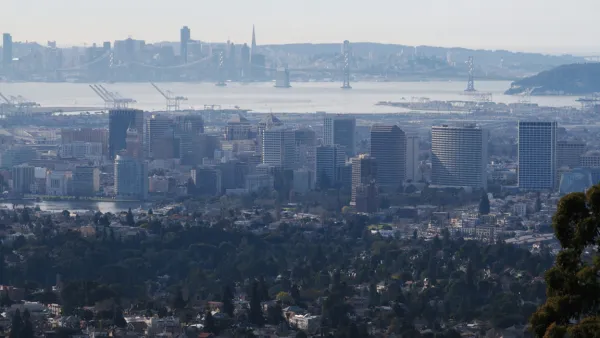
The Many Ongoing Public Transportation Projects of the Bay Area
The San Francisco Chronicle offers a round-up of 11 big transit projects, by Caltrans, BART, SFMTA, and others, making progress around the bay.
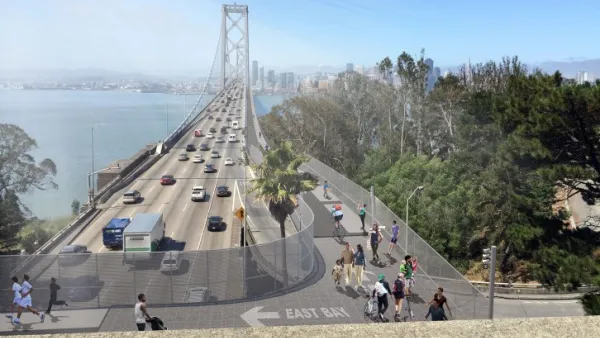
Planning Underway for New Bay Bridge Bike Path, and a Second Transbay BART Tube
In a distant and expensive future, there are two new ways to get across the San Francisco Bay without a car. One will have a much better view.
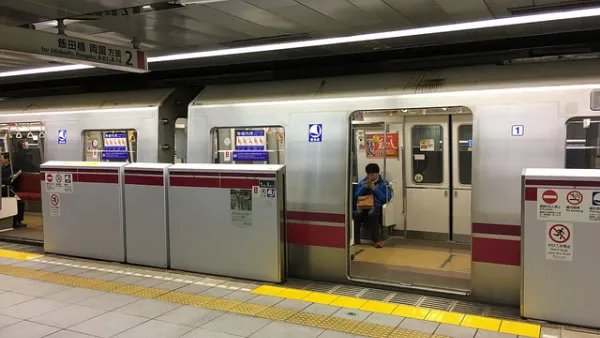
'Screen Door' Pilot to Be Installed at Oakland BART Station
The 12th Street station in Oakland, California will provide an initial test of a rail transit safety technology known as screen doors. Screen doors are rare in the United States, but not in other parts of the world.

Washington state to charge fee to drivers with fuel-efficient cars
Revenue from the fee will go towards supporting the state’s highways.

Illinois considers spending $1 billion in taxpayer money on data center
A quantum computing campus and data center are currently under construction in Chicago.

Trump to blast ‘hydrocarbon highway’ through ‘world’s longest art gallery’
Environmental and historic preservation groups are suing to stop the project.

NYC, state sue feds over mixed-immigration-status housing assistance rule
The state’s lawsuit argues that the rule change violates the Administrative Procedure Act.

Michigan to turn neighborhood into virtual power plant
Residents will soon be able to divert their excess energy to the grid in exchange for compensation.

Data center, mining project swarm to long-awaited Alaska railroad line
The state-owned railroad approved final plans for the spur line this week; the project is expected to cost $311 million, mostly funded by the federal government

FREE Course: Walkable City 1: Why Walkability?
After describing his path towards focusing on walkability as the essence of good planning, Jeff Speck marches through his five principal reasons for making more walkable places.
Reinventing Malls: Planning Alchemy—Turning Gray Fields Into Gold
The course focuses on the opportunities and imperatives that shape reinvention of mall sites.

City of Charlotte
City of Rosemead
Rutgers University, Edward J. Bloustein School of Planning and Public Policy
University of Michigan School for Environment and Sustainability (SEAS)
Hunter College, City University of New York (CUNY)
The Architects Foundation
University District Partnership