New York City has released a new manual for street designs, representing over two years of work from the Department of Transportation.


"Imagine narrow European-style roadways shared by pedestrians, cyclists and cars, all traveling at low speeds. Sidewalks made of recycled rubber in different colors under sleek energy-efficient lamps. Mini-islands jutting into the street, topped by trees and landscaping, designed to further slow traffic and add a dash of green.
This is what New York City streets could look like, according to the Bloomberg administration, which has issued the city's first street design manual in an effort to make over the utilitarian 1970s-style streetscape that dominates the city.
The Department of Transportation will begin reviewing development plans to see whether they align with the 232-page manual's guidelines, and promises that projects with these features will win approval quickly."
Read the full story: In the Future, the City’s Streets Are to Behave

A Coming-Out Party for New York's Secret Passageway
The "secret boulevard," running between 6th and 7th Avenues in Manhattan through atrias, arcades, and public plazas from 51st Street to 57th Street, is getting attention and an upgrade from the Department of Transportation, reports Matt Chaban.
Inside the Park Slope Bike Lane Battle
Reporter Matthew Shaer talks with folks on both sides of the highly contentious lawsuit seeking to remove a bike lane from Brookyln's Park Slope neighborhood.
NYC needs 700,000 new homes to resolve housing crisis, report states
The report gave every neighborhood a non-binding development target.

Planetizen Federal Action Tracker
A weekly monitor of how Trump’s orders and actions are impacting planners and planning in America.

Amtrak, CN end decades-long dispute with eight-year agreement
The new operating agreement establishes an updated framework for the companies to work together, including processes to resolve disputes.
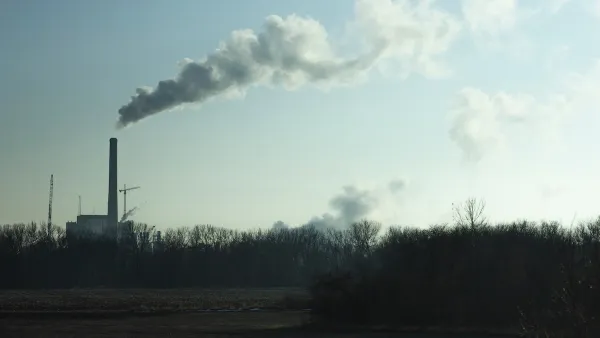
Nation's most wind-powered state turns to coal as data centers increase energy demand
For the first time in decades, Iowa has increased its generation of coal power.

Alabama scores up to $2.5 billion federal loan for largest infrastructure project in state’s history
The Mobile River Bridge and Bayway Project aims to ease congestion at Alabama’s worst bottleneck.

Trump is considering data centers on 6 states' public land — some state officials say they had no idea
If the administration approves the proposed projects, data center and data center-related developments will cover 17,600 acres of public land.

Despite court ruling, Trump is keeping nearly all wind projects in the US on hold
At least 110 wind energy projects have not heard from the government since a federal judge ruled that the Trump administration's freeze on wind turbine clearances was likely illegal.

FREE Course: Walkable City 1: Why Walkability?
After describing his path towards focusing on walkability as the essence of good planning, Jeff Speck marches through his five principal reasons for making more walkable places.
Reinventing Malls: Planning Alchemy—Turning Gray Fields Into Gold
The course focuses on the opportunities and imperatives that shape reinvention of mall sites.

KFH Group Inc.
Greater Baltimore Committee
Eagle County Government
The Architects Foundation
University of Cincinnati Online
The Pocatello Development Authority
The Urban Renewal Agency of the City of Pocatello