The state is directing funding to close gaps in its existing bike network and make long-distance trips more accessible.


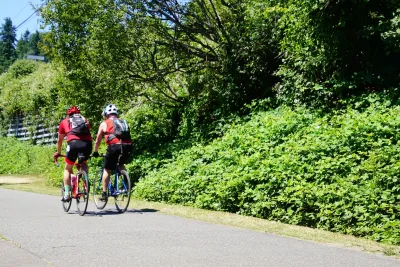
Washington State is developing a plan for a statewide “cycle highway” network to connect bike routes and trails for “a seamless and safe biking network,” reports Karen James in Momentum.
According to James, “One of the main challenges facing Washington’s current bike infrastructure is the lack of connections between existing trails. Many of the state’s best bike routes, such as the Burke-Gilman and Centennial Trails, are isolated, making it difficult for cyclists to travel long distances without encountering unsafe or disconnected stretches of road.”
To make biking more accessible and safer, the state has committed $46.5 million in funding over the next two years and an additional $100 million through 2031. The funding is aimed at closing gaps in the bike network and improving connections between existing trails.
The state is also developing regional “super trails” such as the Leafline Trail network in the Puget Sound region, which is expected to grow from its current 450 miles to 900 miles. “This trail network connects communities, transit stations, and major destinations, making it a model for what a connected, statewide system could look like.”
FULL STORY: Washington State Plans New “Cycle Highways” for Improved Bike Infrastructure


Utah Unveils 'Ambitious' 3,100-mile Bike Network
The complete network would put a paved bike trail within one mile of 95% of Utah residents.
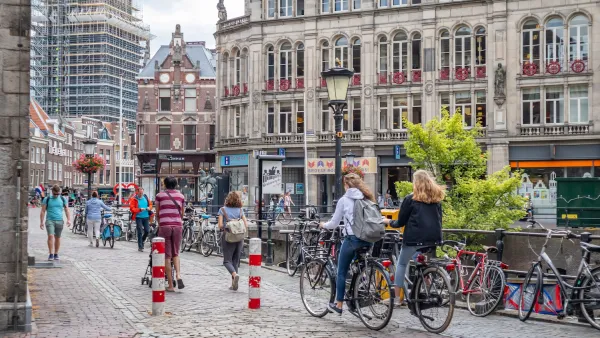
2025's 30 Most Bike-friendly Cities
Copenhagenize has released its list of top cities for cyclists. Spoiler alert: the United States doesn’t make the list.

7 Ways Cyclists are Winning in the AI Revolution
For individual cyclists and transportation planners, AI offers some useful tools for understanding bike riders’ behavior and assessing gaps in a city’s bike infrastructure.

The state-sanctioned urbicide of Austin
People don’t kill cities. Freeways do.

US to reduce Colorado River water deliveries to Mexico
A new Colorado Treaty amendment reduces Mexico’s Colorado River water allocation by 250,000 acre feet.

New Jersey’s second-largest city bans standalone data centers
Jersey City will continue to allow co-location facilities, such as those meant for research institutions that store their own data.

Amtrak not solely to blame for New Jersey commuter rail's unreliability, report finds
A new study from the Garden State Initiative found that NJ Transit’s budget grew 20% across a 4 year period, but reliability declined significantly over the same period.

EPA erases limits on planet-warming pollution from power plants
Under Monday’s plan, power plants would still have some limits on how much mercury, arsenic and other contaminants they can emit.

Phoenix announces new on-demand transit service, more frequent RAPID buses
Both new services will launch in October, and are part of Phoenix's Project Effective Access Solutions for Easing Congestion.

FREE Course: Walkable City 1: Why Walkability?
After describing his path towards focusing on walkability as the essence of good planning, Jeff Speck marches through his five principal reasons for making more walkable places.
Reinventing Malls: Planning Alchemy—Turning Gray Fields Into Gold
The course focuses on the opportunities and imperatives that shape reinvention of mall sites.

Eagle County Government
Harvard University Graduate School of Design
Nashville Planning Department
The Architects Foundation
University of Cincinnati Online
The Pocatello Development Authority
The Urban Renewal Agency of the City of Pocatello
Journal of the American Planning Association