A simple walk through your community can reveal infrastructure gaps and highlight where cities can make streets safer for pedestrians.



Safe streets advocates have a simple starting point for making change to pedestrian infrastructure in their cities: taking a walk. As Edward Erfurt notes in a piece for Strong Towns, any effort to improve road safety starts with an evaluation of current conditions.
“The Strong Towns Crash Analysis Studio has helped residents of cities across North America review serious crashes in their communities,” Erfurt writes. The analyses brought to light oversights (for example, yield signs installed at four-way intersections rather than stop signs) and improper uses of road infrastructure.
According to Erfurt, “There is nothing more memorable and impactful than experiencing our communities with each other on foot. Something as simple as a walk allows us to have a conversation informed by the existing conditions, as well as letting us illustrate items like the economic benefits of pedestrian-friendly designs to local officials.”
A “walking audit” can offer a new perspective on a community and illuminate infrastructure needs. “In addition to members of the design team and traffic safety officials, a good audit will include a cross section of the municipality’s experts in areas such as engineering, planning, maintenance and law enforcement. It will also include any individual in the area known to have a disability or particular struggle that will be impacted by the design.”
FULL STORY: Want To Create Change Quickly? Start by Taking a Walk.

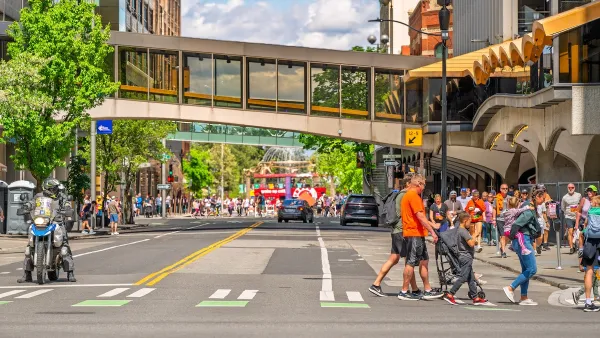
Spokane Updates its Complete Streets Policy
Mayor Lisa Brown signed a revised version of the city’s Complete Streets framework that more closely aligns with state law and the city’s municipal code.
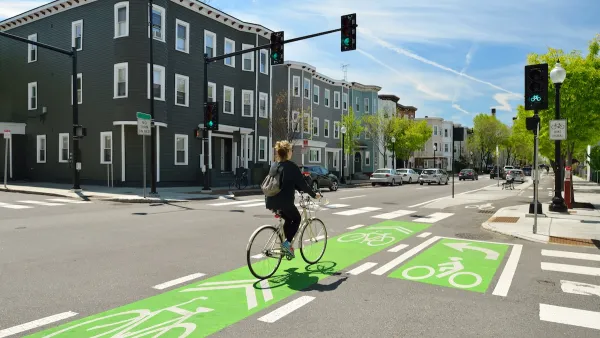
NACTO Releases Updated Urban Bikeway Guide
The third edition of the nationally recognized road design guide includes detailed design advice for roads that prioritize safety and accessibility for all users.
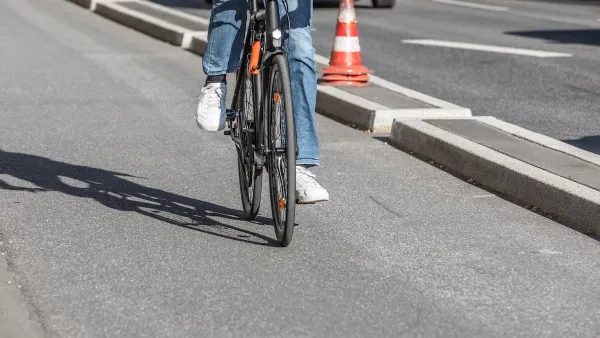
Southeast LA Road Safety Advocates Call for Improved Infrastructure
Streets in southeastern Los Angeles County have a severe lack of protected bike lanes and traffic safety measures, leading to high numbers of fatalities in a community where many residents depend on walking and biking for daily needs.

The state-sanctioned urbicide of Austin
People don’t kill cities. Freeways do.

US to reduce Colorado River water deliveries to Mexico
A new Colorado Treaty amendment reduces Mexico’s Colorado River water allocation by 250,000 acre feet.

New Jersey’s second-largest city bans standalone data centers
Jersey City will continue to allow co-location facilities, such as those meant for research institutions that store their own data.

Amtrak not solely to blame for New Jersey commuter rail's unreliability, report finds
A new study from the Garden State Initiative found that NJ Transit’s budget grew 20% across a 4 year period, but reliability declined significantly over the same period.

EPA erases limits on planet-warming pollution from power plants
Under Monday’s plan, power plants would still have some limits on how much mercury, arsenic and other contaminants they can emit.

Phoenix announces new on-demand transit service, more frequent RAPID buses
Both new services will launch in October, and are part of Phoenix's Project Effective Access Solutions for Easing Congestion.

FREE Course: Walkable City 1: Why Walkability?
After describing his path towards focusing on walkability as the essence of good planning, Jeff Speck marches through his five principal reasons for making more walkable places.
Reinventing Malls: Planning Alchemy—Turning Gray Fields Into Gold
The course focuses on the opportunities and imperatives that shape reinvention of mall sites.

Eagle County Government
Harvard University Graduate School of Design
Nashville Planning Department
The Architects Foundation
University of Cincinnati Online
The Pocatello Development Authority
The Urban Renewal Agency of the City of Pocatello
Journal of the American Planning Association