The new Active Transportation Strategic Plan (ATSP), announced recently by the Los Angeles County Metropolitan Transportation Authority, will be both aspirational and expensive.


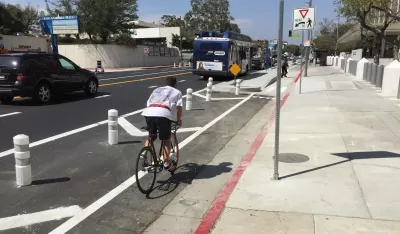
The Los Angeles County Metropolitan Transportation Authority (Metro) announced its new Active Transportation Strategic Plan (ATSP), the first update to the plan since 2016. The updated ATSP is anticipated in late 2023, with a Draft Final Plan available soon.
The plan lists projects according to categories for improvement, three in total: first-last mile connections, pedestrian districts, and regional bikeways.
According to an article by Steve Scauzillo for the Los Angeles Daily News, the plan’s price tag means most of the projects on the list will never be achieved. The 1,433 miles of regional bikeways listed on the plan, for example, would cost an estimated $36 billion to complete. The plan also calls for 602 first and last mile projects and 81 pedestrian districts.
“Completing just 2.5% of the projects would cost about $1.86 billion,” reports Scauzillo.
Scauzillo provides a lot more detail about the transportation context of the region, as well as the methodology of the planning process leading up to the ATSP update.
Metro’s online outreach for the ATSP includes an interactive storymap.
Read the full story: Metro unveils plan for walking, bicycling or rolling to a train station or bus stop

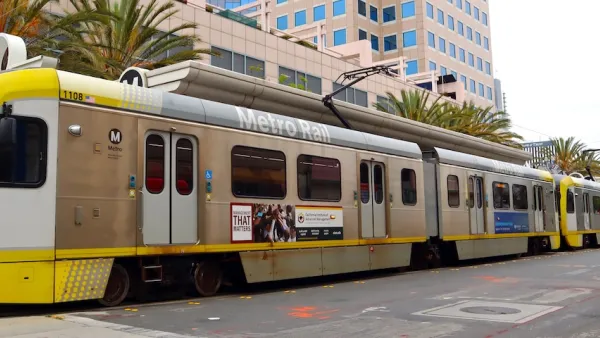
The World’s Longest Light Rail Line is in… Los Angeles?
In a city not known for its public transit, the 48.5-mile A Line is the longest of its kind on the planet.
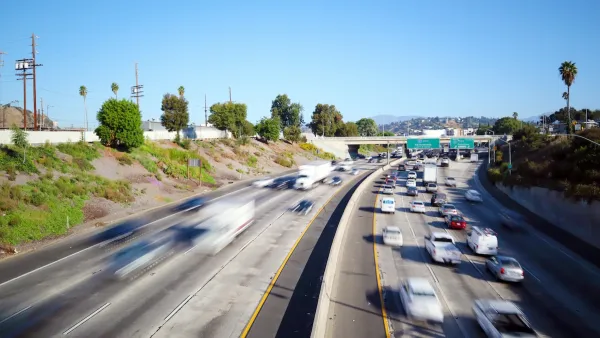
Opinion: LA Should Reject ‘Misguided’ Car-Centric Policies
Even as the city highlights clean energy and transportation for the 2028 Olympics, Metro and Caltrans move forward with plans to expand highways.
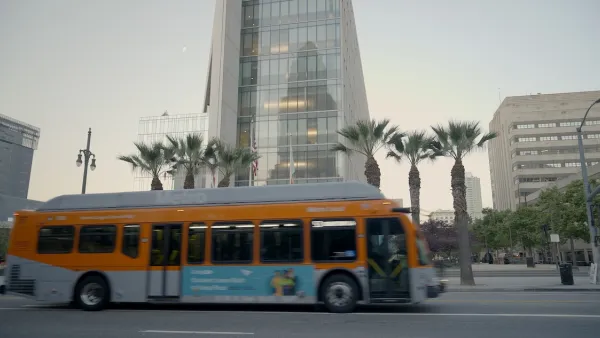
LA to Launch Bus Lane Enforcement Cameras
Bus-mounted cameras will identify vehicles that block designated bus lanes to help prevent delays and maintain reliable transit operations.

Planetizen Federal Action Tracker
A weekly monitor of how Trump’s orders and actions are impacting planners and planning in America.

California plans to bury El Niño’s downpour
If the state plays its cards right, it may be able to store a billion acre-feet of El Niño’s water in aquifers.

Desperate measures: Advocates weigh draining Lake Powell to fill Colorado River
Draining the reservoir could reduce evaporation losses by a couple hundred thousand acre-feet.

In Texas, data centers are swallowing promised parkland
Residents who moved to Taylor, Texas for a rural community now have to contend with three data centers in their backyard.

How a Chicago-sized wind farm beat the odds and powered on
The project spanned five presidential administrations and a standoff with a U.S. military base.

MTA gives itself 30 days to transform pit into basketball court
The site has been under construction since 2022; the city originally estimated it would finish the court in 2024.

FREE Course: Walkable City 1: Why Walkability?
After describing his path towards focusing on walkability as the essence of good planning, Jeff Speck marches through his five principal reasons for making more walkable places.
Reinventing Malls: Planning Alchemy—Turning Gray Fields Into Gold
The course focuses on the opportunities and imperatives that shape reinvention of mall sites.

City of Rosemead
Rutgers University, Edward J. Bloustein School of Planning and Public Policy
One Hundred Miles
Hunter College, City University of New York (CUNY)
The Architects Foundation
University of Cincinnati Online
City of Cambridge
Montrose County
The Pocatello Development Authority