A change in the city’s speed limits has been shown to reduce the likelihood of injuries during collisions.


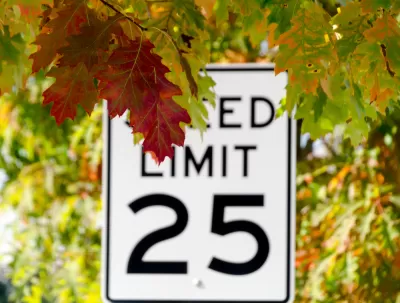
A new study from the Insurance Institute for Highway Safety (IIHS) reveals that lowering speed limits on Seattle streets, part of the ‘Safe System’ approach that prioritizes road design and policies that limit the damage caused by human error, improved safety. “In downtown Seattle, lowering default speed limits reduced the likelihood that a crash would involve an injury by a fifth on arterial roads, IIHS researchers found. Outside of the city center, where the new limits were less consistently implemented and publicized, there were smaller injury reductions, but these were not statistically significant.”
The study credits the success in part to the city’s information campaign. “To make drivers aware of the change, the city conducted a public outreach campaign and installed gateway signs indicating the new citywide limits on arterial roads into the city, highway off-ramps and ferry terminals,” and installed new 25 mph signs on downtown arterials.
The study is the first to attempt to quantify the effect of lower speed limits on injury rates, not just on peeding. As the press release explains, “Higher speeds make crashes more likely by reducing the time a driver has to react and increasing the distance required to stop the vehicle. Higher speeds also increase the energy involved in a crash, raising the odds of an injury.”
FULL STORY: Lowering speed limits makes Seattle streets safer


Study: Road Design, Speed Key Factors in Pedestrian Deaths
A recent study emphasizes the importance of good road design and low speed limits in keeping pedestrians safe.
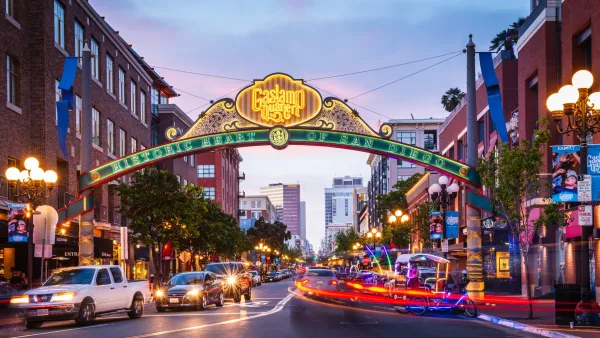
San Diego to Lower Speed Limits on 20% of its Streets
The city council approved reduced speed limits on streets designated as high-risk corridors, school zones, and other areas as part of its Vision Zero strategy.
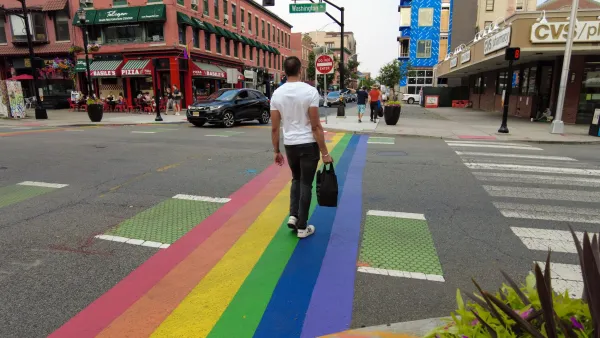
New Jersey Announces Statewide Vision Zero Strategy
A state report outlines legislative actions and land use changes with the goal of eliminating traffic deaths by 2040.

Planetizen Federal Action Tracker
A weekly monitor of how Trump’s orders and actions are impacting planners and planning in America.

The state-sanctioned urbicide of Austin
People don’t kill cities. Freeways do.

US to reduce Colorado River water deliveries to Mexico
A new Colorado Treaty amendment reduces Mexico’s Colorado River water allocation by 250,000 acre feet.

5 New England states march closer to 800 megawatt wind energy project
Securing federal approval for the project may be complicated under the Trump administration, which has historically been hostile towards domestic wind power.

Baltimore to break ground on $50 million Transit Priority Project
The project will bring faster bus trips, safer streets and better bike connections to Baltimore.

Airbnb launches $250 million 'last-dollar financing' housing accelerator, makes first investment in Austin
The company will put $6.4 million towards affordable housing development in Texas’ capital.

FREE Course: Walkable City 1: Why Walkability?
After describing his path towards focusing on walkability as the essence of good planning, Jeff Speck marches through his five principal reasons for making more walkable places.
Reinventing Malls: Planning Alchemy—Turning Gray Fields Into Gold
The course focuses on the opportunities and imperatives that shape reinvention of mall sites.

Eagle County Government
Harvard University Graduate School of Design
Nashville Planning Department
The Architects Foundation
University of Cincinnati Online
The Pocatello Development Authority
The Urban Renewal Agency of the City of Pocatello
Journal of the American Planning Association