Beacon will require all-electric appliances in new buildings starting next year.


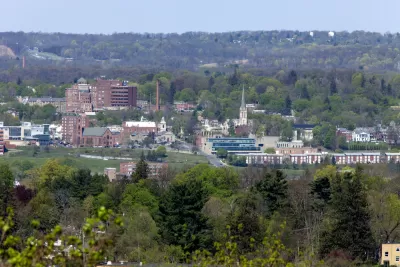
The city of Beacon, New York became the third in the state to ban fossil fuels in new buildings with a unanimous City Council vote this week. “The law requires all-electric construction for all new buildings and major renovations starting in 2024, and mirrors language in the statewide All-Electric New Building Act proposed with 85 co-sponsors in Albany.”
According to a press release from Food & Water Watch, “Buildings are New York’s largest polluters, producing 32% of the state’s climate-heating greenhouse gas emissions — all-electric construction would slash climate warming emissions.”
As the press release explains, “Ending fossil fuel use in new construction would prevent air pollution equivalent to keeping 870,000 gas-powered cars off the road every year, and save families in new homes statewide an average of over $900 a year on energy bills.” In addition to limiting greenhouse gas emissions, swapping out gas ranges for electric stoves improves indoor air quality and public health.
Berkeley, California instituted a similar policy in 2019.
FULL STORY: Beacon, NY City Council Unanimously Votes to Ban Fossil Fuels in New Buildings


New Jersey to Consider Charging Fossil Fuel Companies for Pollution
A proposed law would make companies liable for damages caused by burning fossil fuels.
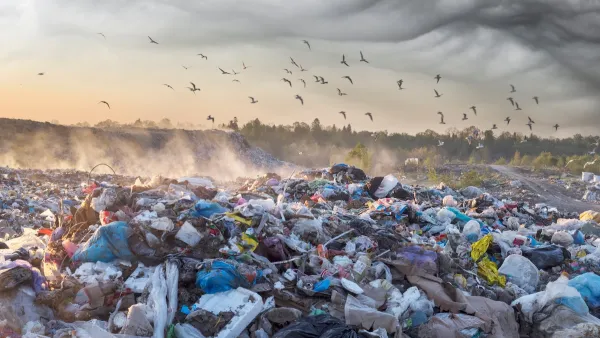
Colorado Landfills Emit as Much Pollution as 1M Cars
Landfills are the third-largest source of methane pollution in Colorado, after agriculture and fossil fuel extraction.

Driving Equity and Clean Air: California Invests in Greener School Transportation
California has awarded $500 million to fund 1,000 zero-emission school buses and chargers for educational agencies as part of its effort to reduce pollution, improve student health, and accelerate the transition to clean transportation.

Planetizen Federal Action Tracker
A weekly monitor of how Trump’s orders and actions are impacting planners and planning in America.

The state-sanctioned urbicide of Austin
People don’t kill cities. Freeways do.

US to reduce Colorado River water deliveries to Mexico
A new Colorado Treaty amendment reduces Mexico’s Colorado River water allocation by 250,000 acre feet.

Mamdani overhauls NYC's Vision Zero plan with 100 new policy goals
The overhaul aims to reduce traffic deaths and make streets safer for pedestrians, cyclists and drivers through lower speed limits, new safety infrastructure and more.

Amtrak not solely to blame for New Jersey commuter rail's unreliability, report finds
A new study from the Garden State Initiative found that NJ Transit’s budget grew 20% across a 4 year period, but reliability declined significantly over the same period.

EPA erases limits on planet-warming pollution from power plants
Under Monday’s plan, power plants would still have some limits on how much mercury, arsenic and other contaminants they can emit.

FREE Course: Walkable City 1: Why Walkability?
After describing his path towards focusing on walkability as the essence of good planning, Jeff Speck marches through his five principal reasons for making more walkable places.
Reinventing Malls: Planning Alchemy—Turning Gray Fields Into Gold
The course focuses on the opportunities and imperatives that shape reinvention of mall sites.

Eagle County Government
Harvard University Graduate School of Design
Nashville Planning Department
The Architects Foundation
University of Cincinnati Online
The Pocatello Development Authority
The Urban Renewal Agency of the City of Pocatello
Journal of the American Planning Association