The auto-centric county has been building new bike trails and pedestrian facilities, but more improvements are necessary to reduce the number of pedestrian deaths and injuries, planners say.


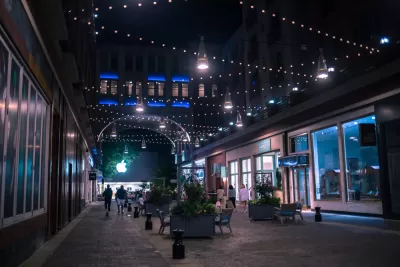
Planners in Montgomery County presented a set of recommendations aimed at making the region safer for pedestrians, particularly aging people and transit-dependent residents, reports Katherine Shaver in the Washington Post.
“Building sidewalks more quickly — and before residents have to ask — is one of dozens of recommendations they presented this past week for the first countywide “pedestrian master plan” aimed at retrofitting a suburb designed for cars.” Other suggestions include improved street lighting, more shade trees, and smaller county vehicles that are safer for pedestrians.
To ensure equity in deploying improvements, “Planners say they will use public input and safety data to prioritize improvements based on where they are needed most, rather than catering to residents who press for them most persistently.”
As Shaver notes, “About 11 percent of all trips in the Washington region are made by foot or bicycle, according to the Metropolitan Washington Council of Governments. Even as the region has opened new trails, added bike racks to buses and incorporated pedestrian and cycling facilities into larger transportation projects, COG officials say, safety remains a problem.” Pedestrians remain highly vulnerable: “While they were involved in 4 percent of all Montgomery collisions between 2015 and 2020, they suffered 27 percent of severe injuries and fatalities, planners say.”
Read the full story: In auto-centric Montgomery, planners suggest ways to make walking safer
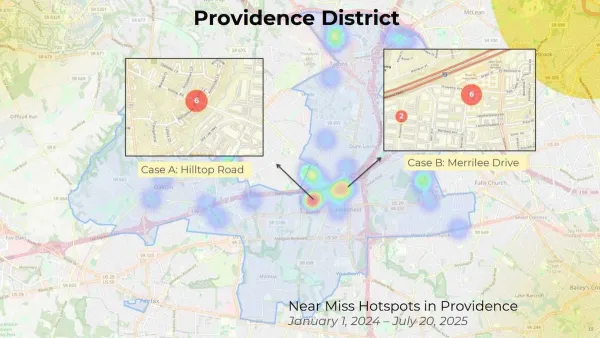
Virginia Study Catches Near-Miss Hotspots Before Pedestrians Die
Analyzing reported ‘near-misses’ can reveal road safety gaps and prevent more serious crashes and injuries.
Report: Top US Cities for Pedestrian Safety
The East Coast takes the top three spots, while the South and Southwest dominate the bottom of the list.
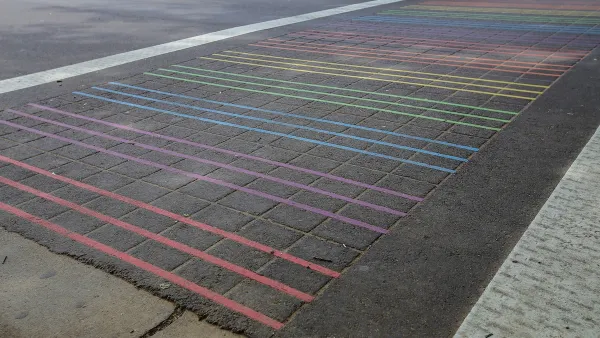
Sacramento Isn’t Giving up on Rainbow Crosswalks
A city program will fund artist-created crosswalks near two elementary schools as part of its effort to eliminate traffic deaths.

Planetizen Federal Action Tracker
A weekly monitor of how Trump’s orders and actions are impacting planners and planning in America.

California plans to bury El Niño’s downpour
If the state plays its cards right, it may be able to store a billion acre-feet of El Niño’s water in aquifers.

Desperate measures: Advocates weigh draining Lake Powell to fill Colorado River
Draining the reservoir could reduce evaporation losses by a couple hundred thousand acre-feet.

US buildings threatened, destroyed by fires set to triple by 2060
Researchers found a high fire risk for socioeconomically vulnerable neighborhoods in the American West.

LA residents may be allowed to paint their own crosswalks
Councilwoman Katy Yaroslavsky put out a motion instructing the Los Angeles Department of Public Transportation to study the feasibility of allowing volunteers to paint crosswalks.

Dallas moves to overhaul its zoning code
The city's zoning reform will allow more multi-family and mixed-use developments.

FREE Course: Walkable City 1: Why Walkability?
After describing his path towards focusing on walkability as the essence of good planning, Jeff Speck marches through his five principal reasons for making more walkable places.
Reinventing Malls: Planning Alchemy—Turning Gray Fields Into Gold
The course focuses on the opportunities and imperatives that shape reinvention of mall sites.

City of Rosemead
Rutgers University, Edward J. Bloustein School of Planning and Public Policy
One Hundred Miles
Hunter College, City University of New York (CUNY)
The Architects Foundation
University of Cincinnati Online
City of Cambridge
Montrose County
The Pocatello Development Authority