A new U.N. report urges cities to upgrade their infrastructure to bolster climate resilience and build more sustainable, climate-friendly places.


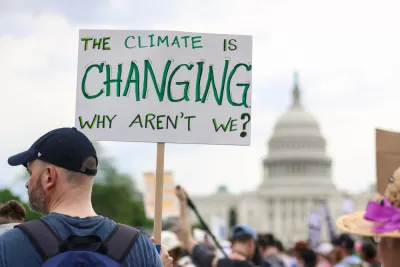
In a piece on Wired, Matt Simon highlights the role of cities in the fight against climate change as laid out in a recent U.N. Intergovernmental Panel on Climate Change report.
The report presents opportunities along with challenges, notes coauthor William Solecki, of the City University of New York’s Hunter College, adding, "We recognize the world is very rapidly urbanizing—up to 70 percent of the world's population by 2050 will live in cities."
While urban agglomerations can lead to more deadly disasters that affect more people at once, "the good news is that cities could be designed so much better than they are now." In fact, "There's really opportunities to upgrade our infrastructure in a way that both addresses long-standing inequities and also invests in climate resilience," according to Rachel Cleetus, policy director of the Climate and Energy Program at the Union of Concerned Scientists and a report coauthor.
As Simon notes, the report recommends what it calls 'climate resilient development,' a set of processes that "link scientific, Indigenous, local, practitioner and other forms of knowledge" and "are more effective and sustainable because they are locally appropriate and lead to more legitimate, relevant and effective actions."
The report highlights the importance of local buy-in and combining strategies that adapt cities to the inevitable effects of climate change with policies that reduce emissions to slow future damage and protect vulnerable communities.
FULL STORY: Cities Are Unlikely Yet Powerful Weapons to Fight Climate Change

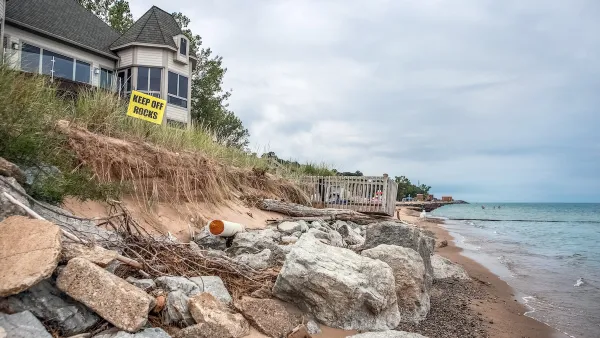
How US Cities Can Prepare for Climate Disasters
Resilience, encompassing infrastructure, governance, economic strength, and social cohesion, is critical for cities to mitigate rising climate risks like flooding, wildfires, and heat, ensuring long-term recovery and adaptability.
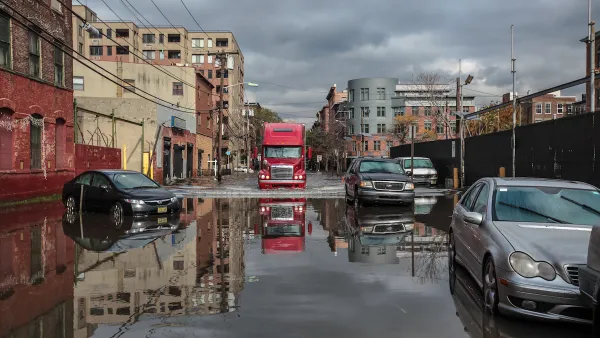
FEMA Resilience Program Cuts Grant Funding
The Building Resilient Infrastructure and Communities program funded projects from flood prevention to power station upgrades.

Honolulu Has a New Chief Resilience Officer
Mayor Rick Blangiardi has appointed Ben Sullivan as executive director and chief resilience officer for the Honolulu Office of Climate Change, Sustainability and Resiliency.

The state-sanctioned urbicide of Austin
People don’t kill cities. Freeways do.

US to reduce Colorado River water deliveries to Mexico
A new Colorado Treaty amendment reduces Mexico’s Colorado River water allocation by 250,000 acre feet.

New Jersey’s second-largest city bans standalone data centers
Jersey City will continue to allow co-location facilities, such as those meant for research institutions that store their own data.

Amtrak not solely to blame for New Jersey commuter rail's unreliability, report finds
A new study from the Garden State Initiative found that NJ Transit’s budget grew 20% across a 4 year period, but reliability declined significantly over the same period.

EPA erases limits on planet-warming pollution from power plants
Under Monday’s plan, power plants would still have some limits on how much mercury, arsenic and other contaminants they can emit.

Phoenix announces new on-demand transit service, more frequent RAPID buses
Both new services will launch in October, and are part of Phoenix's Project Effective Access Solutions for Easing Congestion.

FREE Course: Walkable City 1: Why Walkability?
After describing his path towards focusing on walkability as the essence of good planning, Jeff Speck marches through his five principal reasons for making more walkable places.
Reinventing Malls: Planning Alchemy—Turning Gray Fields Into Gold
The course focuses on the opportunities and imperatives that shape reinvention of mall sites.

Eagle County Government
Harvard University Graduate School of Design
Nashville Planning Department
The Architects Foundation
University of Cincinnati Online
The Pocatello Development Authority
The Urban Renewal Agency of the City of Pocatello
Journal of the American Planning Association