Mayor Rick Blangiardi has appointed Ben Sullivan as executive director and chief resilience officer for the Honolulu Office of Climate Change, Sustainability and Resiliency.



Honolulu Mayor Rick Blangiardi has appointed Ben Sullivan as the new executive director and chief resilience officer of the Honolulu Office of Climate Change, Sustainability, and Resiliency. Sullivan, who began his role on September 3, 2024, succeeds Matthew Gonser, who stepped down for family reasons. Sullivan previously served as the deputy director of the CCSR since June 2023 and has a background as an energy program manager and sustainability coordinator.
Blangiardi praised Sullivan’s leadership and expertise, expressing confidence in his ability to build on the work accomplished by Gonser over the past four years. Sullivan, who holds a degree in environmental design from the University of Colorado at Boulder, is committed to addressing Oahu’s climate challenges and advancing the city's resilience and energy sustainability efforts.
Gonser will continue his work in resilience and sustainability but is transitioning to a role with the Los Angeles County Chief Sustainability Office. Blangiardi acknowledged Gonser’s dedication and contributions, noting his role in establishing a strong foundation for the city’s climate preparedness.
FULL STORY: Blangiardi names Sullivan new chief resilience officer

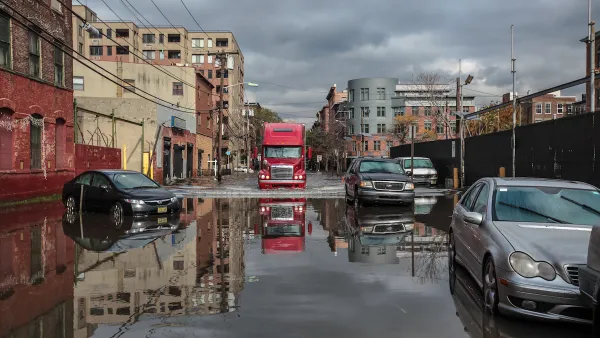
FEMA Resilience Program Cuts Grant Funding
The Building Resilient Infrastructure and Communities program funded projects from flood prevention to power station upgrades.
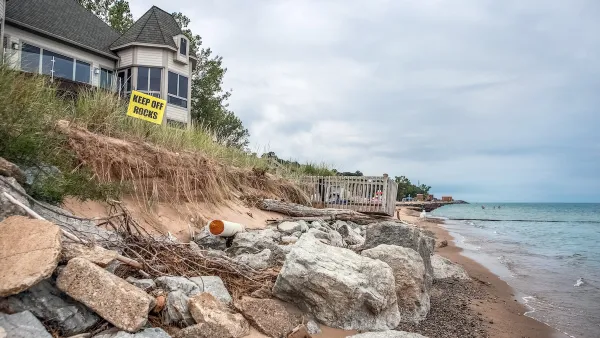
How US Cities Can Prepare for Climate Disasters
Resilience, encompassing infrastructure, governance, economic strength, and social cohesion, is critical for cities to mitigate rising climate risks like flooding, wildfires, and heat, ensuring long-term recovery and adaptability.
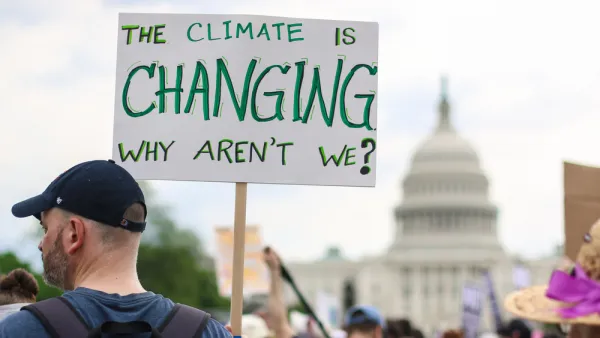
How Cities Can Curb Climate Change and Protect Vulnerable Residents
A new U.N. report urges cities to upgrade their infrastructure to bolster climate resilience and build more sustainable, climate-friendly places.

The state-sanctioned urbicide of Austin
People don’t kill cities. Freeways do.

US to reduce Colorado River water deliveries to Mexico
A new Colorado Treaty amendment reduces Mexico’s Colorado River water allocation by 250,000 acre feet.

New Jersey’s second-largest city bans standalone data centers
Jersey City will continue to allow co-location facilities, such as those meant for research institutions that store their own data.

Amtrak not solely to blame for New Jersey commuter rail's unreliability, report finds
A new study from the Garden State Initiative found that NJ Transit’s budget grew 20% across a 4 year period, but reliability declined significantly over the same period.

EPA erases limits on planet-warming pollution from power plants
Under Monday’s plan, power plants would still have some limits on how much mercury, arsenic and other contaminants they can emit.

Phoenix announces new on-demand transit service, more frequent RAPID buses
Both new services will launch in October, and are part of Phoenix's Project Effective Access Solutions for Easing Congestion.

FREE Course: Walkable City 1: Why Walkability?
After describing his path towards focusing on walkability as the essence of good planning, Jeff Speck marches through his five principal reasons for making more walkable places.
Reinventing Malls: Planning Alchemy—Turning Gray Fields Into Gold
The course focuses on the opportunities and imperatives that shape reinvention of mall sites.

Eagle County Government
Harvard University Graduate School of Design
Nashville Planning Department
The Architects Foundation
University of Cincinnati Online
The Pocatello Development Authority
The Urban Renewal Agency of the City of Pocatello
Journal of the American Planning Association