Still battling a global pandemic and its widespread economic and social effects, cities nevertheless made progress in some unexpected ways.


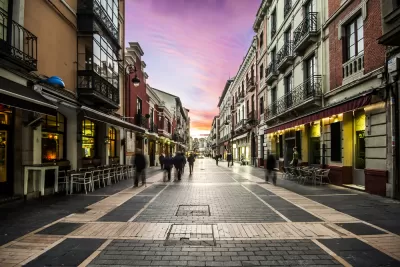
Despite the challenges posed by the ongoing COVID-19 pandemic, writes Linda Poon, cities around the world managed to succeed in some innovative ways during 2021. Poon describes ten positive urban developments that led to "transformative — and in some cases unprecedented — changes toward improving residents’ health, safety and overall livability."
Some examples include:
- Glass panels that provide natural air flow and temperature regulation, such as those installed at Uber's Mission Bay headquarters. According to Poon, "the design addresses two of today’s most urgent crises: the pandemic and climate change" through better ventilation and reduced energy use for temperature control.
- The "one-minute city," a concept inspired by the "15-minute city." Rather than focusing on access to nearby amenities, this concept seeks to give residents control over the public realm just outside their homes.
- Affordable, accessible water vending machines installed in Nairobi, Kenya, where people living in informal settlements often lack access to clean water.
- A planned autonomous city in Japan. Toyota's Woven City, currently under construction at the base of Mount Fuji, will be a testing ground for autonomous transport and high-tech urban amenities.
- Criminal justice reforms. In the wake of high-profile police killings and calls for reform, cities have launched initiatives that divert calls about behavioral incidents to social workers in an effort to reduce the chances of fatal interactions with law enforcement.
Other promising programs mentioned in the article are universal basic mobility initiatives, Bogota's efforts to make childcare more accessible, and the trend of cities hiring "heat officers" as climate change leads to more extreme weather and more destructive wildfires.
FULL STORY: 10 Ways Cities Came Back in 2021


Climate Change Hitting California Faster Than Scientists Expected
Extreme heat, rising seas, and other impacts of climate change are turning deadly faster than predicted, California officials warn.
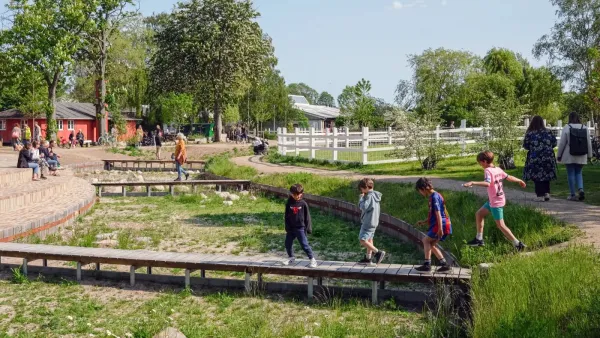
Copenhagen is losing its cool
In a city long designed to maximize light during dark Scandinavian winters, climate change is forcing the Danish capital to rethink its relationship with the sun.
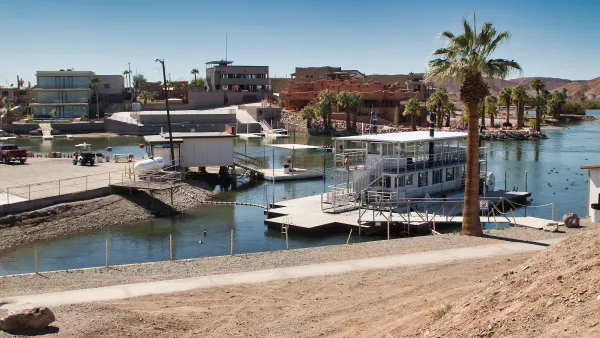
Arizona had its hottest spring in 131 years
Average March temperatures across the state were 12.5 degrees above normal.

The state-sanctioned urbicide of Austin
People don’t kill cities. Freeways do.

US to reduce Colorado River water deliveries to Mexico
A new Colorado Treaty amendment reduces Mexico’s Colorado River water allocation by 250,000 acre feet.

New Jersey’s second-largest city bans standalone data centers
Jersey City will continue to allow co-location facilities, such as those meant for research institutions that store their own data.

Amtrak not solely to blame for New Jersey commuter rail's unreliability, report finds
A new study from the Garden State Initiative found that NJ Transit’s budget grew 20% across a 4 year period, but reliability declined significantly over the same period.

EPA erases limits on planet-warming pollution from power plants
Under Monday’s plan, power plants would still have some limits on how much mercury, arsenic and other contaminants they can emit.

Phoenix announces new on-demand transit service, more frequent RAPID buses
Both new services will launch in October, and are part of Phoenix's Project Effective Access Solutions for Easing Congestion.

FREE Course: Walkable City 1: Why Walkability?
After describing his path towards focusing on walkability as the essence of good planning, Jeff Speck marches through his five principal reasons for making more walkable places.
Reinventing Malls: Planning Alchemy—Turning Gray Fields Into Gold
The course focuses on the opportunities and imperatives that shape reinvention of mall sites.

Eagle County Government
Harvard University Graduate School of Design
Nashville Planning Department
The Architects Foundation
University of Cincinnati Online
The Pocatello Development Authority
The Urban Renewal Agency of the City of Pocatello
Journal of the American Planning Association