As summers get hotter and more dangerous, parents can take steps to protect kids from heat-related illnesses.



Summers are getting hotter — and the public health risks of extreme heat, particularly to children and other vulnerable populations, are rising.
According to researchers, “Summer temperatures on average have increased 2.6 degrees Fahrenheit across the country.” U.S. cities on average also saw 19.5 additional “very hot days” per summer, increasing the risk of heat-related illnesses and hospitalizations, note Noreen O'Donnell and Annetta Stogniew in an article for NBC Los Angeles.
For children, the risks are exacerbated. “Infants and young children sweat less and are unable to regulate their core body temperature as well as adults.” Playgrounds are not always built with materials designed to withstand heat and prevent burns. “A 2024 paper from the Center on the Developing Child at Harvard University notes that excessive heat threatens a child’s development through too little learning, too little sleep and assaults their mental and behavioral health at a time when the effects can be long lasting.” Meanwhile, older children such as high school athletes face increased risk of heatstroke and other illnesses during practices and games.
Nonprofit Climate Central recommends that parents monitor weather forecasts and avoid outdoor activities at the hottest times of the day, check playground surfaces to make sure they’re not too hot, and ensure that their kids drink enough water. They can also advocate for policies that limit heat-inducing emissions and provide shade infrastructure in communities and public spaces.
FULL STORY: Increasingly hot summers mean sizzling playgrounds and other dangers for kids

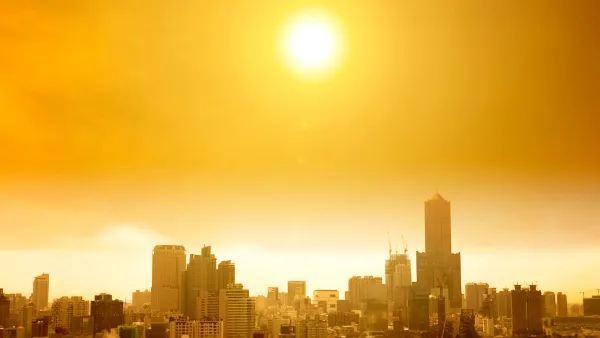
How Hot Will 2024 Get?
Experts predict summer temperatures could surpass 2023’s record heat waves, prompting cities to plan mitigation measures.
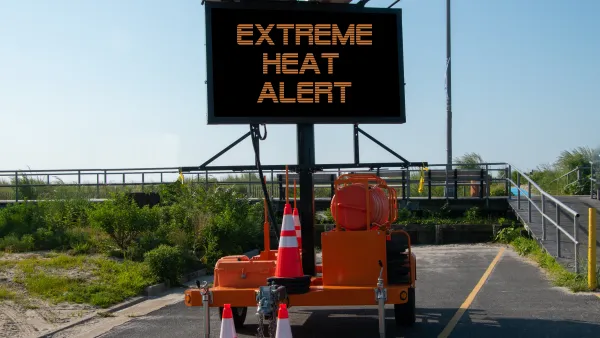
How Extreme Heat Impacts Heart Health
A higher number of high heat days correlates with more cardiovascular deaths, according to new research.
How Hot is Too Hot?
While they may not sound extreme, temperatures over 90 degrees can easily pose fatal risks and could have long-term impacts on public health.

The state-sanctioned urbicide of Austin
People don’t kill cities. Freeways do.

US to reduce Colorado River water deliveries to Mexico
A new Colorado Treaty amendment reduces Mexico’s Colorado River water allocation by 250,000 acre feet.

New Jersey’s second-largest city bans standalone data centers
Jersey City will continue to allow co-location facilities, such as those meant for research institutions that store their own data.

Amtrak not solely to blame for New Jersey commuter rail's unreliability, report finds
A new study from the Garden State Initiative found that NJ Transit’s budget grew 20% across a 4 year period, but reliability declined significantly over the same period.

EPA erases limits on planet-warming pollution from power plants
Under Monday’s plan, power plants would still have some limits on how much mercury, arsenic and other contaminants they can emit.

Phoenix announces new on-demand transit service, more frequent RAPID buses
Both new services will launch in October, and are part of Phoenix's Project Effective Access Solutions for Easing Congestion.

FREE Course: Walkable City 1: Why Walkability?
After describing his path towards focusing on walkability as the essence of good planning, Jeff Speck marches through his five principal reasons for making more walkable places.
Reinventing Malls: Planning Alchemy—Turning Gray Fields Into Gold
The course focuses on the opportunities and imperatives that shape reinvention of mall sites.

Eagle County Government
Harvard University Graduate School of Design
Nashville Planning Department
The Architects Foundation
University of Cincinnati Online
The Pocatello Development Authority
The Urban Renewal Agency of the City of Pocatello
Journal of the American Planning Association