More cities are returning waterways to a more natural state—in some cases unearthing them from subterranean pipes in a process known as "daylighting." A new example can be found, perhaps surprisingly, in New York City.


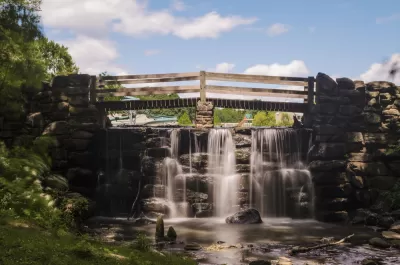
According to an article by Winnie Hu and James Thomas, there is "an enormous trove of water hidden below [New York City's] streets and high-rise buildings — hundreds of subterranean streams, creeks and springs that were buried long ago and all but forgotten as the city grew."
Among that trove is Tibbetts Brook, which is the main subject of the article because of an ambitious plan to unearth, or "daylight," the creek to improve the local stormwater infrastructure.
"The city plans to unearth the brook — an engineering feat known as 'daylighting' — at a cost of more than $130 million, because burying it in the sewer system has worsened the city’s flooding problems as a warming planet experiences more frequent and intense storms," according to Hu and Thomas.
The remnants of Hurricane Ida recently overwhelmed Tibbetts Brook in its current, subterranean form, sending water flooding into the city and inundating the Major Deegan Expressway in the Bronx.
According to the article, "daylighting" is reversing an earlier era's approach to stormwater infrastructure in more and more locations around the world—though New York City might be an unexpected place to see nature being restored, to a certain extent.
FULL STORY: Why New York Is Unearthing a Brook It Buried a Century Ago

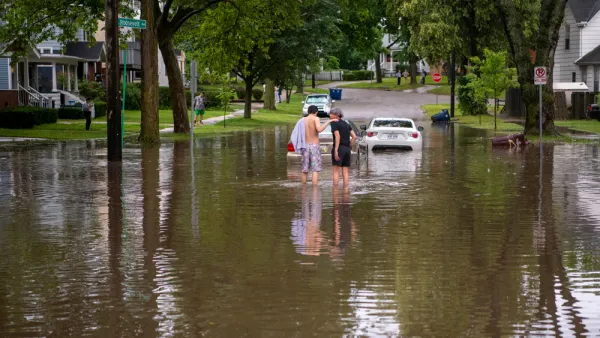
A Natural Approach to Stormwater Proposed in Michigan
The realities of climate change have been on full display in Michigan this summer, and a crusading drain commissioner is pushing for stormwater infrastructure that uses natural features to capture and reuse water during extreme weather.
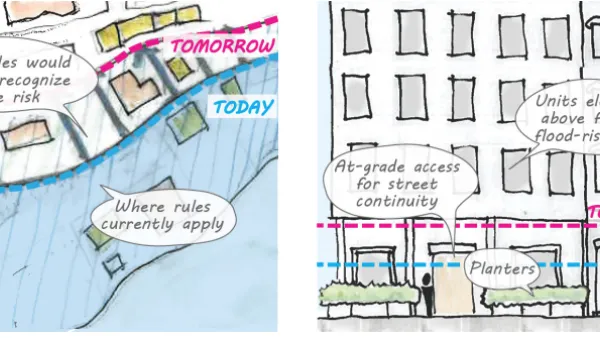
'Zoning for Coastal Flood Resiliency' Wins Planning Commission Approval in NYC
Emergency responses to Hurricane Sandy have turned into long-term lessons in New York City, as the nation's largest city crafts a response to sea-level rise and extreme weather by making changes to the zoning code of coastal areas.
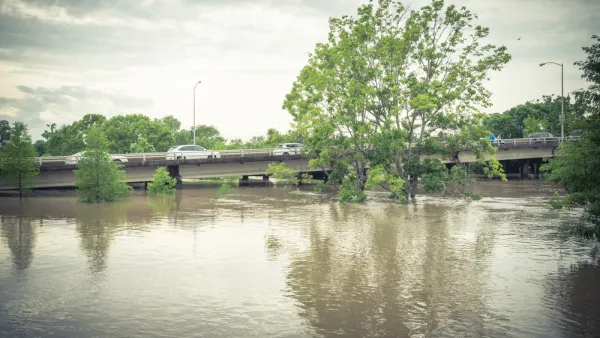
Criticism for Army Corps' Houston Flood Protection Plans
The U.S. Army Corps of Engineers has revised a plan to protect the Houston region from flooding by tossing out a proposed tunnel and opting instead to dig Buffalo Bayou wider and deeper.

The state-sanctioned urbicide of Austin
People don’t kill cities. Freeways do.

US to reduce Colorado River water deliveries to Mexico
A new Colorado Treaty amendment reduces Mexico’s Colorado River water allocation by 250,000 acre feet.

New Jersey’s second-largest city bans standalone data centers
Jersey City will continue to allow co-location facilities, such as those meant for research institutions that store their own data.

Amtrak not solely to blame for New Jersey commuter rail's unreliability, report finds
A new study from the Garden State Initiative found that NJ Transit’s budget grew 20% across a 4 year period, but reliability declined significantly over the same period.

EPA erases limits on planet-warming pollution from power plants
Under Monday’s plan, power plants would still have some limits on how much mercury, arsenic and other contaminants they can emit.

Phoenix announces new on-demand transit service, more frequent RAPID buses
Both new services will launch in October, and are part of Phoenix's Project Effective Access Solutions for Easing Congestion.

FREE Course: Walkable City 1: Why Walkability?
After describing his path towards focusing on walkability as the essence of good planning, Jeff Speck marches through his five principal reasons for making more walkable places.
Reinventing Malls: Planning Alchemy—Turning Gray Fields Into Gold
The course focuses on the opportunities and imperatives that shape reinvention of mall sites.

Eagle County Government
Harvard University Graduate School of Design
Nashville Planning Department
The Architects Foundation
University of Cincinnati Online
The Pocatello Development Authority
The Urban Renewal Agency of the City of Pocatello
Journal of the American Planning Association