Green Infrastructure
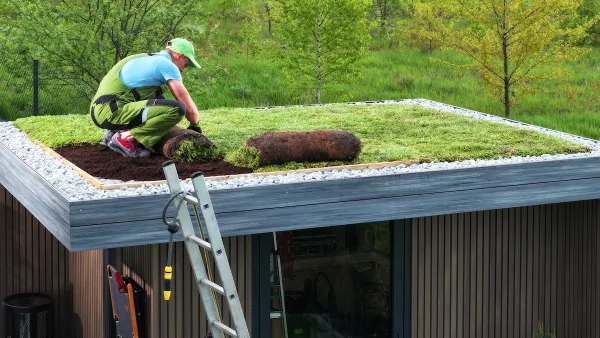
The next era of climate resilience will be measured in co-benefits
Why the strongest resilience investments solve more than one problem at once.
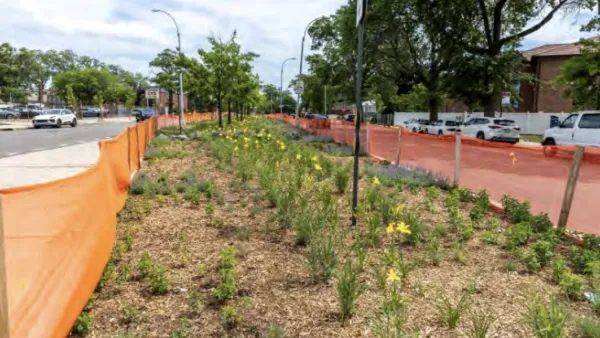
New NYC ‘sponge’ medians will absorb 5 million gallons of stormwater per year
The project will turn three medians in Queens into green infrastructure designed to absorb stormwater.
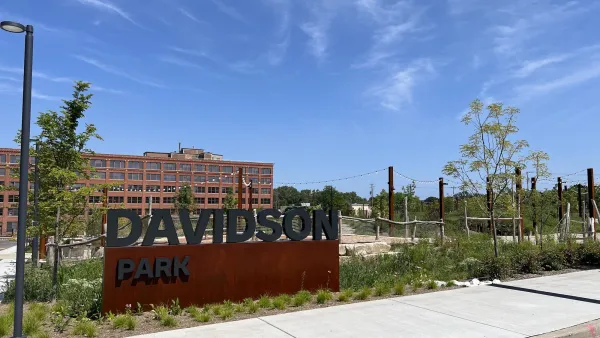
Harley-Davidson turned a Milwaukee parking lot into a green oasis
The park, adjacent to Harley-Davidson headquarters, doubles as stormwater retention infrastructure.
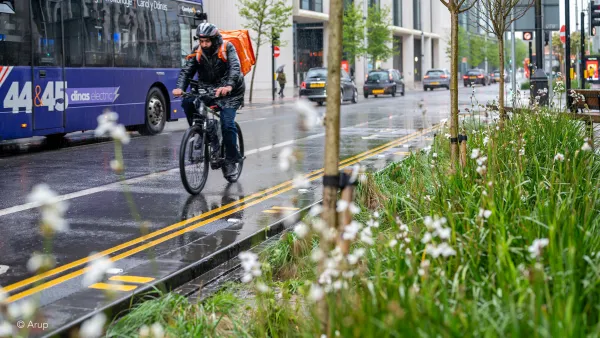
This UK city's bike lanes double as rain gardens and wildlife habitats
Cardiff is combining mobility infrastructure with greening measures to help conserve water, clean the air, and provide shade and greenery.
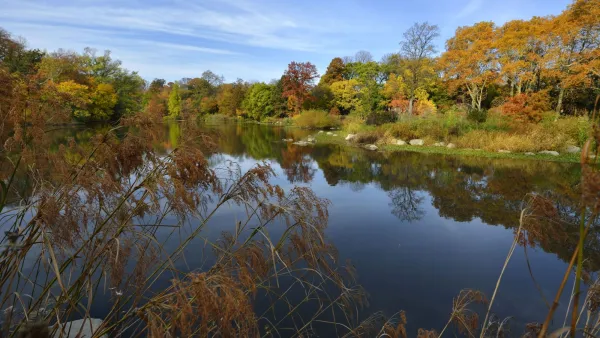
NYC’s Prospect Park is Getting a $68 Million ‘Bluebelt’
The city plans to upgrade the park’s drainage infrastructure to channel more stormwater into its lake and other drainage ponds and reduce flooding risk.
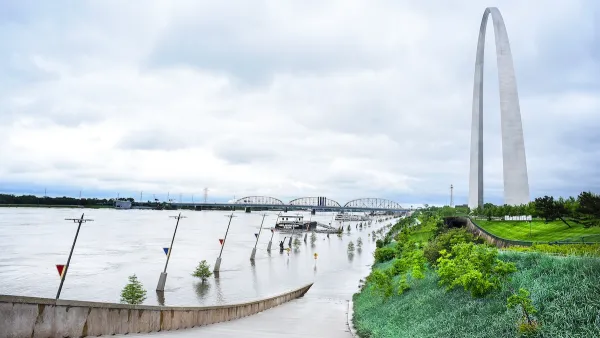
St. Louis has a Secret Stormwater Weapon Saving 100 Million Gallons from the Mississippi
The city reimburses residents who install gardens, rain barrels, and other methods that retain stormwater and decrease the risk of flooding.
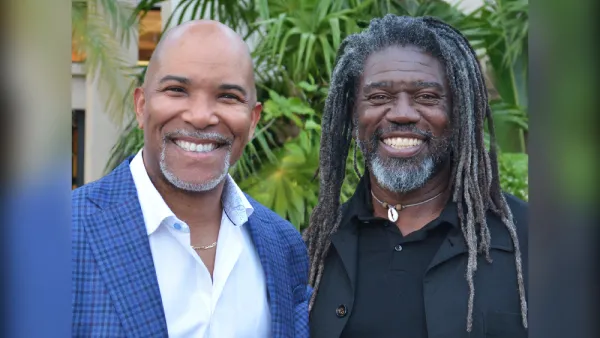
In a Warmer, Wetter and More Disaster-prone World: “Nature is the Greatest Designer”
A conversation with the American Society of Landscape Architects’ CEO Torey Carter-Conneen and board president Kona Gray.
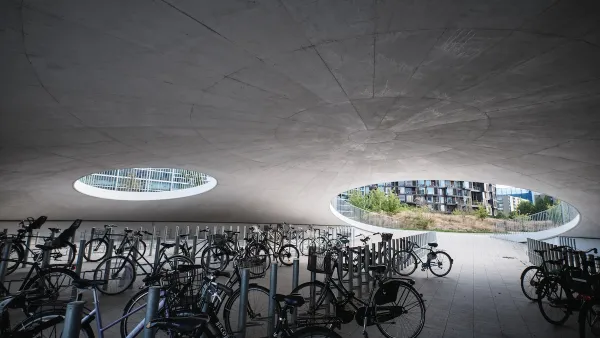
How Copenhagen Became a ‘Sponge City’
The Danish capital is implementing a massive, multi-pronged strategy to build resilience against flooding and shore up water supplies during drought periods.
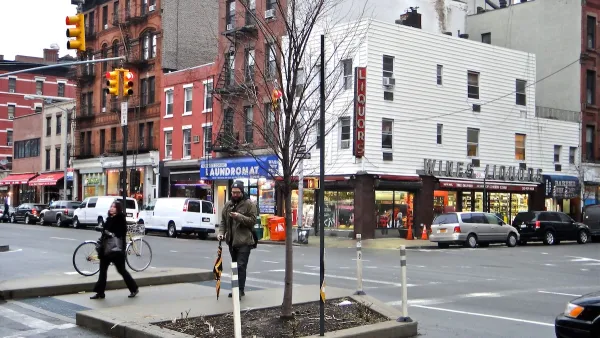
Opinion: NYC Daylighting Law Would Double as Flood Protection
How a proposed law banning parking in the 20’ of curb next to an intersection throughout NYC would improve road safety and free up space for rain gardens and other green infrastructure.
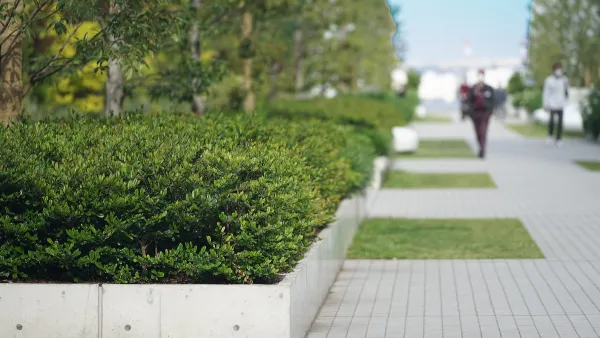
Grassroots Dutch Movement Replaces Pavement With Green Space
Neighbors engage in a practice known as “tegelwippen,” picking up paving stones and replacing them with permeable surfaces, often with the support of local governments.
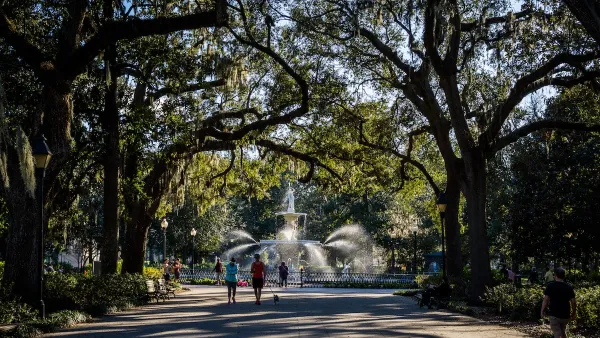
Survey: US Public Spaces Not Meeting Community Needs
A lack of funding prevents many U.S. parks and public spaces from playing a more significant role in helping residents meet daily needs.
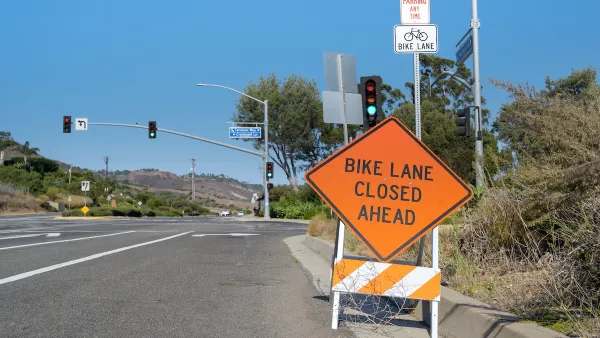
USDOT Could Pull Green Infrastructure Grants
A new department memo requires a review of projects with the goal of removing bike, pedestrian, and electric vehicle infrastructure.
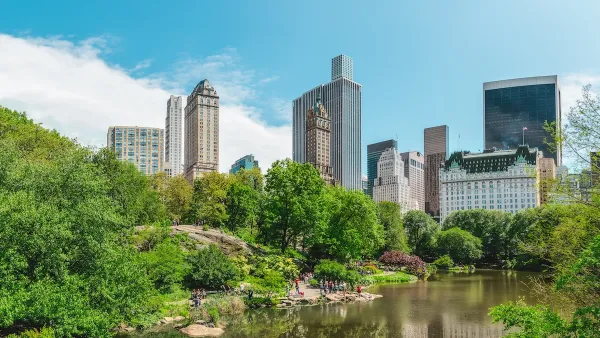
Public Parks as Climate Resilience Tools
Designed with green infrastructure, parks can mitigate flooding, reduce urban heat, and enhance climate resilience, offering cost-effective solutions to environmental challenges while benefiting communities.
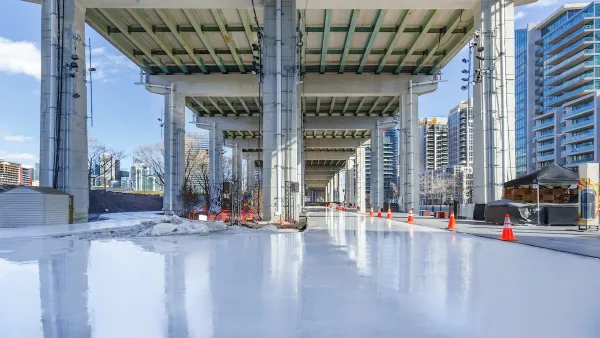
Montreal’s Gorilla Park Repurposes Defunct Railway Track
The park is part of a global movement to build public spaces that connect neighbors and work with local elements to serve as key parts of a city’s green infrastructure.
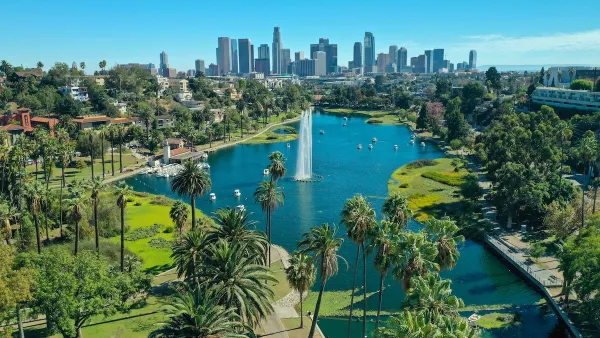
A Sustainable Future for LA: Updating the OurCounty Plan
Los Angeles County is updating its Sustainability Plan to refine its vision for climate action, environmental justice, and community well-being, with residents encouraged to participate by taking the OurCounty 2025 Update Community Survey.
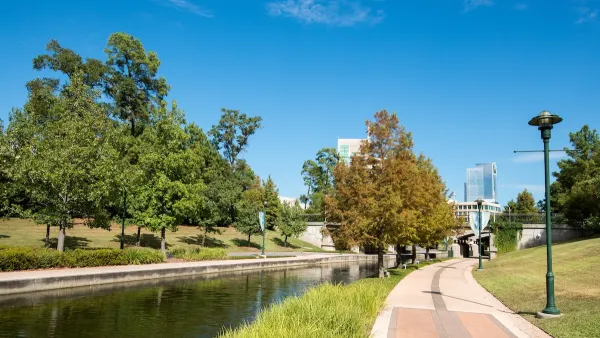
Retro-silient?: America’s First “Eco-burb,” The Woodlands Turns 50
A master-planned community north of Houston offers lessons on green infrastructure and resilient design, but falls short of its founder’s lofty affordability and walkability goals.
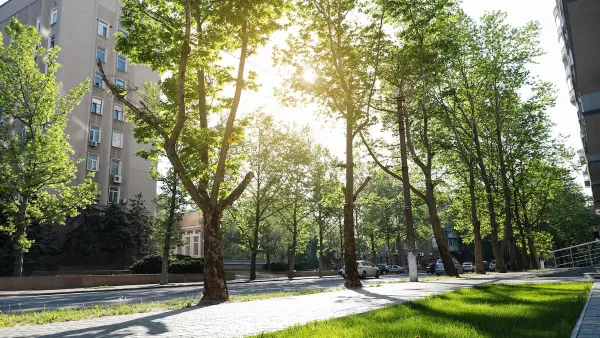
New Interactive Tool Helps Cities Assess and Strengthen Urban Tree Canopies
A new national tree canopy assessment tool, available at TreesAtWork.org, provides high-resolution data to help cities track tree cover changes, prioritize planting efforts, and enhance urban resilience.
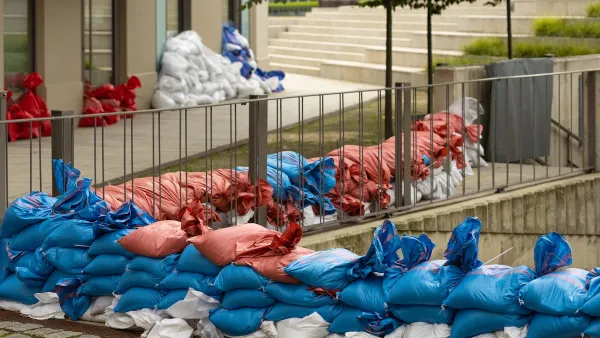
How US Communities Are Building Resilience Against Flooding
Flooding causes over $400 billion in damage in the United States every year.
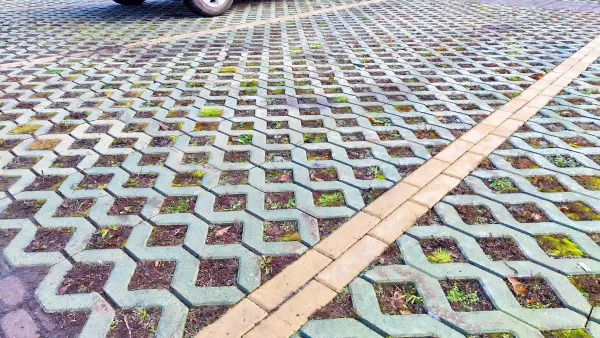
How Cities Are Adopting Green Solutions to Combat Flooding
Cities are increasingly adopting nature-based solutions like floodable parks and green roofs to combat flooding, offering cost-effective, multifunctional benefits while requiring careful planning and integration with traditional infrastructure.
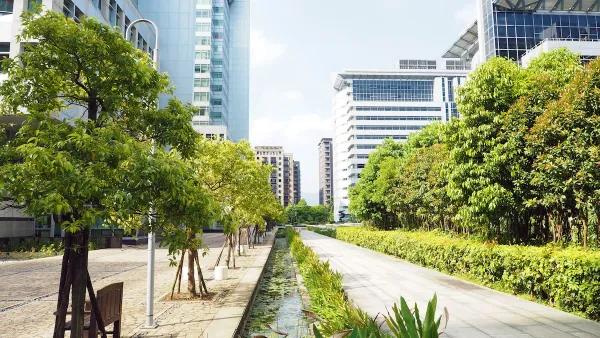
Cities Prioritize Urban Reforestation to Combat Heat and Revitalize Communities
Cities like Phoenix, Chicago, and Boise are prioritizing urban reforestation as critical green infrastructure to combat extreme heat, address environmental inequities, and foster community revitalization.

FREE Course: Walkable City 1: Why Walkability?
After describing his path towards focusing on walkability as the essence of good planning, Jeff Speck marches through his five principal reasons for making more walkable places.
Reinventing Malls: Planning Alchemy—Turning Gray Fields Into Gold
The course focuses on the opportunities and imperatives that shape reinvention of mall sites.

Rutgers University, Edward J. Bloustein School of Planning and Public Policy
One Hundred Miles
County of Mendocino
The Architects Foundation
University of Cincinnati Online
Montrose County
Northern Illinois Transit Authority (NITA)
The Pocatello Development Authority








