Housing costs across the country are becoming more and more unaffordable for low- and moderate-income households, a trend that began even before the COVID-19 pandemic.


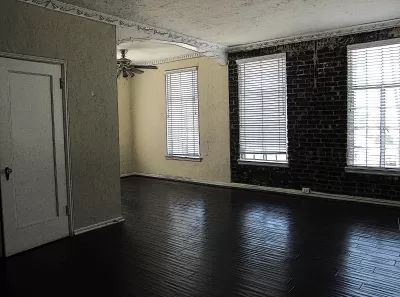
With rents rising steadily in cities around the country, renters teetering on the edge of eviction are increasingly likely to lose their homes and low-income renters have an increasingly difficult time finding housing.
"Tenants and advocates have dreaded a wave of evictions that was predicted to follow the end of the federal ban on evictions during the pandemic. Yet in many areas nationwide, eviction filings have increased only moderately since the Supreme Court ruled President Biden’s extension of the eviction moratorium unconstitutional," writes Sophie Kasakove in an article for The New York Times. But these numbers don't reflect the reality of many renters, as they don't capture evictions "that were filed during the pandemic but are only now being executed." Meanwhile, "[r]ents rose 10.3 percent annually in professionally managed apartments in the third quarter of 2021, according to data from RealPage, a real estate data analytics firm, as vacancy rates plunged below 3 percent for the first time in three decades."
In Atlanta, like many other cities, "[t]he current surge in prices has pushed the affordable housing shortage into overdrive, as tenants compete for the few affordable units available, with little, if any, pandemic protection or assistance remaining." Tenant advocates stress that federal rental assistance "was never going to be a long-term solution to a crisis that far predates the pandemic." According to Monica DeLancy, whose organization, We Thrive in Riverside Renters Association, advocates for tenants in Cobb County, "[t]he people that are struggling are still going to be struggling when the money runs out."
FULL STORY: As Rents Rise, So Do Pressures on People at Risk of Eviction

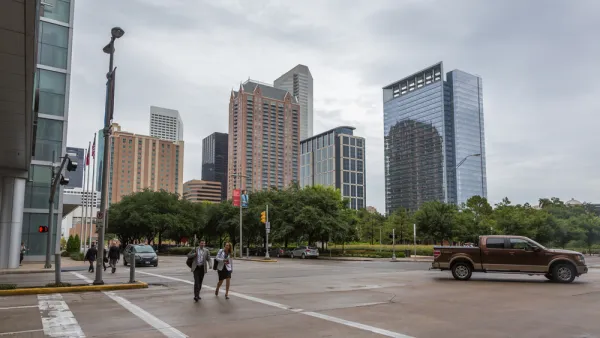
As Rental Assistance Ends, Houston Sees Eviction Filings Rise
More Houston households face evictions as landlords seek to recover back rent accrued during the last two years of the pandemic.
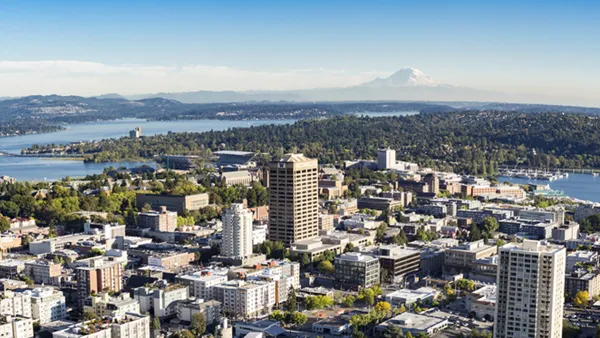
One Quarter of Washington State Renters Fear Eviction
State data show more tenants expect eviction in the coming months even as the state struggles to disburse rental assistance funds.
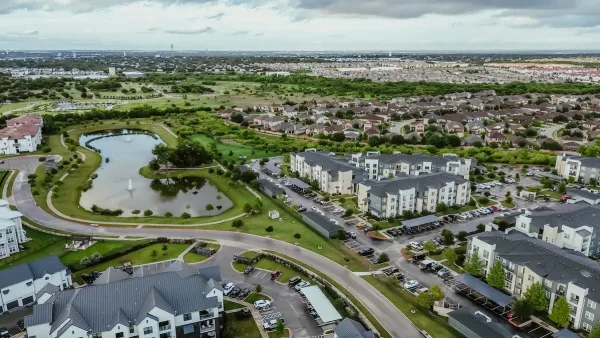
Rents Rose Between December and January
After dropping to a three-year low, U.S. rent costs grew in many major cities.

Planetizen Federal Action Tracker
A weekly monitor of how Trump’s orders and actions are impacting planners and planning in America.

The state-sanctioned urbicide of Austin
People don’t kill cities. Freeways do.

US to reduce Colorado River water deliveries to Mexico
A new Colorado Treaty amendment reduces Mexico’s Colorado River water allocation by 250,000 acre feet.

Mamdani overhauls NYC's Vision Zero plan with 100 new policy goals
The overhaul aims to reduce traffic deaths and make streets safer for pedestrians, cyclists and drivers through lower speed limits, new safety infrastructure and more.

Amtrak not solely to blame for New Jersey commuter rail's unreliability, report finds
A new study from the Garden State Initiative found that NJ Transit’s budget grew 20% across a 4 year period, but reliability declined significantly over the same period.

EPA erases limits on planet-warming pollution from power plants
Under Monday’s plan, power plants would still have some limits on how much mercury, arsenic and other contaminants they can emit.

FREE Course: Walkable City 1: Why Walkability?
After describing his path towards focusing on walkability as the essence of good planning, Jeff Speck marches through his five principal reasons for making more walkable places.
Reinventing Malls: Planning Alchemy—Turning Gray Fields Into Gold
The course focuses on the opportunities and imperatives that shape reinvention of mall sites.


Eagle County Government
Harvard University Graduate School of Design
Nashville Planning Department
The Architects Foundation
University of Cincinnati Online
The Pocatello Development Authority
The Urban Renewal Agency of the City of Pocatello
Journal of the American Planning Association