The disruptions caused by an October 12 train derailment on D.C. Metrorail's Blue Line are spreading to the entire system.


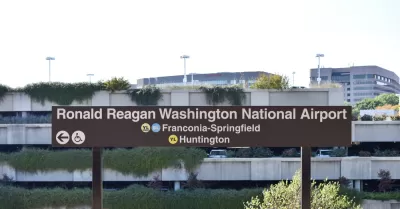
Metrorail—the rail transit system administered by the Washington Metropolitan Area Transit Authority (WMATA) in the D.C. region—is facing a cascading series of disruptions after a 7000-series train on the Blue Line derailed at 5 pm on October 12. The derailment left riders stranded and caused one serious injury during the evening rush hour commute.
The next day, the WMATA suspended service between the Rosslyn and Foggy Bottom Metro stations, providing replacement bus service between the stations. Inbound Blue Line trains were also diverted to the Yellow Line.
Also on the day following the derailment, the National Transportation Safety Board and the WMATA launched investigations into the causes of the derailment. In an article for the Washington Post, Justin George and Ian Duncan report that "wheel assemblies on Metro rail cars at fault in last week’s derailment had failed repeatedly in recent years — and that renewed inspections [the week of the derailment] identified almost two dozen more cars with assemblies that were unsafe."
"Metro pulled the 7000 series cars from service and Homendy said other transit agencies that use cars from the same manufacturer should also check their cars," according to the article.
Metrorail commuters were seeing the effects of that announcement this morning, after the WMATA decided to pull 60 percent of its fleet from service, leaving 40 trains to operate on all six of the system's lines.
"Trains will run every 30 minutes and be limited to six cars each of Metro’s older models. Riders should expect long wait times and crowding during peak hours, and should seek alternatives to Metrorail including buses if possible. D.C. Public Schools said late student arrivals on Monday will be marked as excused," reports Alejandro Alvarez in the source article linked below.
The same article warns that drivers might see increased congestion because of the service disruptions and reports the Monday commute scene on Metrorail as frustrated rail commuters experienced delays and confusion.
The Metrorail system has been beset by poor repair over the past decade. The SafeTrack system repair program disrupted service from 2016 to 2018 after a spate of high profile incidents, including a fire at the Federal Center SW station in March 2016. The Blue Line was shut down earlier this year for repairs. All that hard work for the WMATA and pain for regional commuters seemed to have paid off—in August, the WMATA put out a report touting improved reliability throughout the Metrorail system.
FULL STORY: Lengthy delays after Metrorail pulls 60% of fleet for derailment investigation

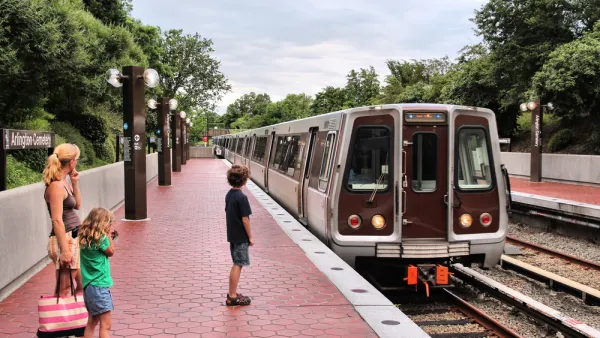
D.C. Metro Blue Line to Close for 3+ Plus Months, Starting Saturday
Platform improvements will close down another rail transit route in the D.C. region for three whole months.
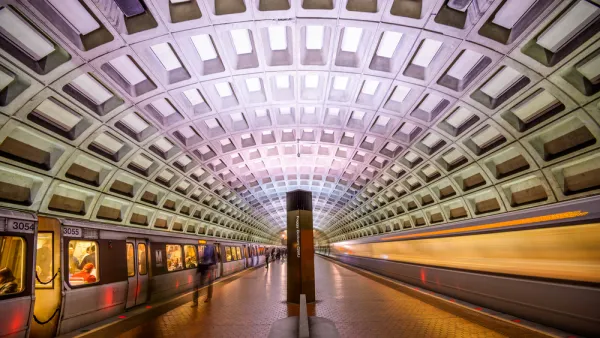
Showdown Over Late Night Hours on D.C. Metro
The general manager of D.C. Metro wants to extend limited late night rail service, in place for two years, into 2019 and beyond. Metro board members have had enough.
D.C. Metro to Consider Reduced Rail Service Hours After SafeTrack Concludes
What was thought to be a temporary end to late night weekend service could become a permanent reality on the tracks of Metrorail.

Planetizen Federal Action Tracker
A weekly monitor of how Trump’s orders and actions are impacting planners and planning in America.

The state-sanctioned urbicide of Austin
People don’t kill cities. Freeways do.

US to reduce Colorado River water deliveries to Mexico
A new Colorado Treaty amendment reduces Mexico’s Colorado River water allocation by 250,000 acre feet.

Mamdani overhauls NYC's Vision Zero plan with 100 new policy goals
The overhaul aims to reduce traffic deaths and make streets safer for pedestrians, cyclists and drivers through lower speed limits, new safety infrastructure and more.

Amtrak not solely to blame for New Jersey commuter rail's unreliability, report finds
A new study from the Garden State Initiative found that NJ Transit’s budget grew 20% across a 4 year period, but reliability declined significantly over the same period.

EPA erases limits on planet-warming pollution from power plants
Under Monday’s plan, power plants would still have some limits on how much mercury, arsenic and other contaminants they can emit.

FREE Course: Walkable City 1: Why Walkability?
After describing his path towards focusing on walkability as the essence of good planning, Jeff Speck marches through his five principal reasons for making more walkable places.
Reinventing Malls: Planning Alchemy—Turning Gray Fields Into Gold
The course focuses on the opportunities and imperatives that shape reinvention of mall sites.

Eagle County Government
Harvard University Graduate School of Design
Nashville Planning Department
The Architects Foundation
University of Cincinnati Online
The Pocatello Development Authority
The Urban Renewal Agency of the City of Pocatello
Journal of the American Planning Association