While cities race to protect their subway infrastructure from more intense flooding, some experts argue that more investment is needed in more resilient street-level infrastructure.


"Subway systems around the world are struggling to adapt to an era of extreme weather brought on by climate change," write Hiroko Tabuchi and John Schwartz. "Their designs, many based on the expectations of another era, are being overwhelmed, and investment in upgrades could be squeezed by a drop in ridership brought on by the pandemic." In cities around the world, aging subway systems are being overwhelmed by worsening floods. "In New York, the Metropolitan Transportation Authority has invested $2.6 billion in resiliency projects since Hurricane Sandy swamped the city’s subway system in 2012, including fortifying 3,500 subway vents, staircases and elevator shafts against flooding."
Yet some experts argue that protecting subways may be a misguided approach. "With more extreme flooding down the line, protecting subways all of the time will be impossible, they say. Instead, investment is needed in buses and bike lanes that can serve as alternative modes of public transportation when subways are flooded. Natural defenses could also provide relief. Rotterdam in the Netherlands has grown plants along its tramways, enabling rainwater to be soaked up by the soil, and reducing heat." Bernardo Baranda Sepúlveda, a Mexico City-based researcher at the Institute for Transportation and Development Policy, says that "[s]treet-level light rail, bus systems and bicycle lanes aren’t just less exposed to flooding, they are also cheaper to build and easier to access."
Read the full story: Climate Crisis Turns World’s Subways Into Flood Zones

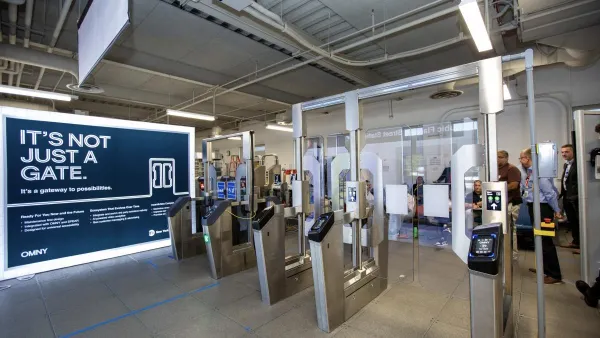
New York MTA Installs ‘Smart’ Fare Gates to Stop Turnstile Hoppers
New fare gates use sensors and higher panels to prevent people from passing without paying, but the tech had a “bumpy rollout” on its first day.
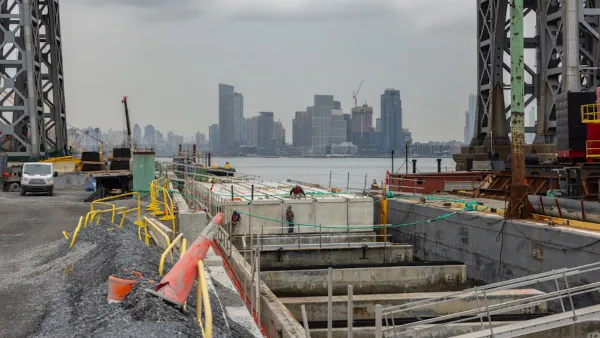
New York Flood Control Plan Takes Lessons From the Dutch
The Netherlands has a long history of flood mitigation. U.S. cities, threatened by coastal flooding and erosion, are taking note.
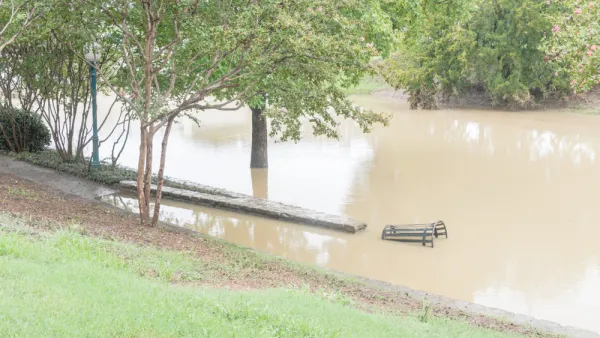
Fort Worth Spending More on Flood Control; Still Well Short of What’s Needed
Fort Worth could spend $136 million on stormwater infrastructure and flood control over the next five years. In all, the city needs more like $1 billion of investment.

Planetizen Federal Action Tracker
A weekly monitor of how Trump’s orders and actions are impacting planners and planning in America.

The state-sanctioned urbicide of Austin
People don’t kill cities. Freeways do.
Colorado’s Largest Data Center Could Rise Next to Homes — Without a Public Hearing
The proposed campus would consume 11 times the power of Denver International Airport; as it has across the country, opposition mounts.
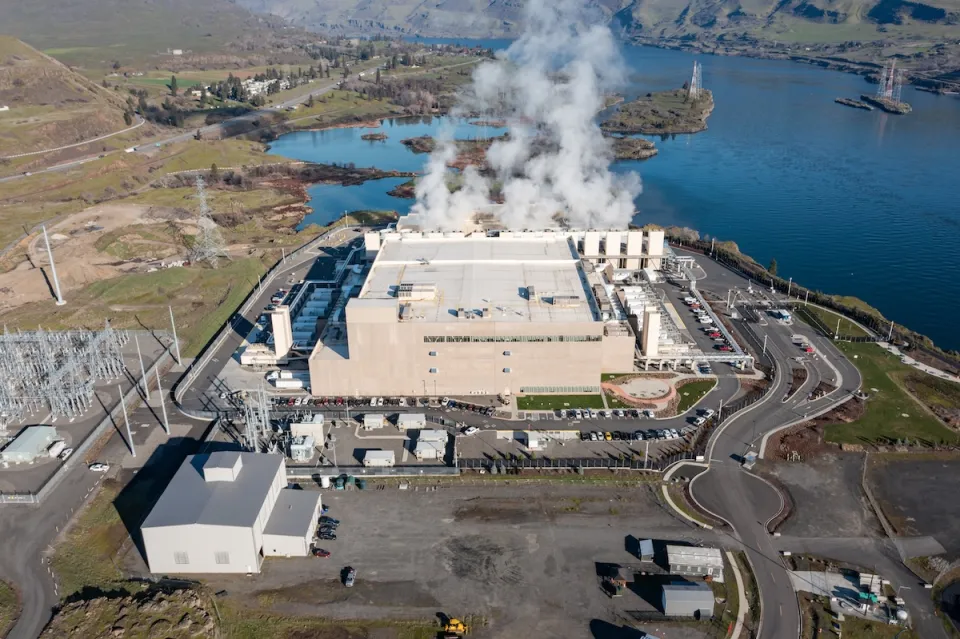
Data centers are consuming nearly 25% of Oregon’s power
The state has 111 data centers, with 32 more either planned or under construction.

A third of Texas cities must update their zoning codes to comply with new housing law
Texas municipalities are now required to allow manufactured housing in at least one residential zoning district.

Nation's most wind-powered state turns to coal as data centers increase energy demand
For the first time in decades, Iowa has increased its generation of coal power.

FREE Course: Walkable City 1: Why Walkability?
After describing his path towards focusing on walkability as the essence of good planning, Jeff Speck marches through his five principal reasons for making more walkable places.
Reinventing Malls: Planning Alchemy—Turning Gray Fields Into Gold
The course focuses on the opportunities and imperatives that shape reinvention of mall sites.

Greater Baltimore Committee
Eagle County Government
Harvard University Graduate School of Design
The Architects Foundation
University of Cincinnati Online
The Pocatello Development Authority
The Urban Renewal Agency of the City of Pocatello
Journal of the American Planning Association