Investing in technology and promoting innovation in the transportation sector can further the Biden administration's goals of reducing carbon emissions and improving public transit.



Despite the head-spinning advances in technology in the last few decades, write Tiffany Chu and Daniel Ramot in Bloomberg CityLab, "only a small fraction of public transportation budgets are allocated to innovation and technology, lagging significantly behind other sectors." This, argue the authors(who are also "founders of transit technology companies whose software powers public transportation systems in hundreds of cities across the world"), has hindered the development of effective and equitable transit systems. The federal government should, in their opinion, "radically rethink its approach" to transportation funding and support local agencies in implementing innovations that will improve service.
"If we want to make real progress in creating a new vision for American mobility, the Biden Administration and Congress will need to stop funding transportation like it’s the 1980s. It is time to move past our excessive focus on large highway capital projects and remove limitations that constrain how cities and rural communities deploy public transportation."
Chu and Ramot include several recommendations that they believe can help us "plan smarter transit networks, build safer streets, and launch more nimble services designed to immediately enhance transportation for those who need it most," which include creating dedicated funding to "drive innovation," tying funding to concrete outcomes, and funding transit operations as well as equipment.
FULL STORY: Fixing Transit Is More Than Just Infrastructure

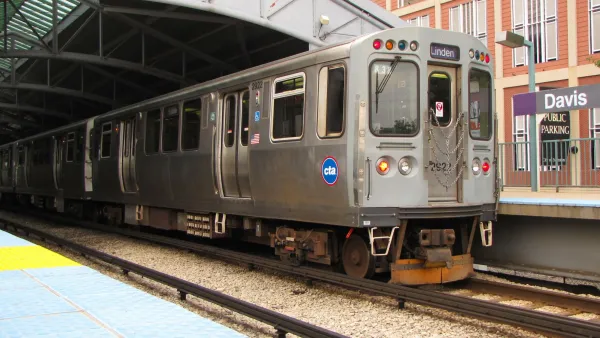
Chicago Transit Recovery Trails Behind Other Major US Cities
Sluggish ridership rates and staffing shortages are dampening recovery. Looming budget gaps could make things even worse.
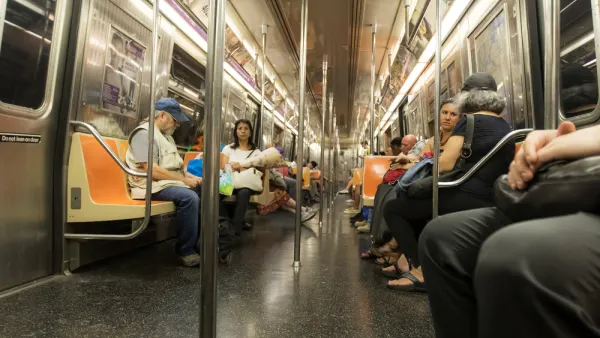
Transit Riders Face the Highest Safety Risks in These 10 States
According to federal data, the average number of safety incidents on public transportation averaged 55.2 per 100,000 people across all states between 2010 and 2023. Which states came in well above the national average?

Expansion Planned for Atlanta Streetcar
A proposed expansion of Atlanta's beleaguered downtown streetcar could turn the 'novelty' line into a truly useful transportation option in the car-centric city.

Planetizen Federal Action Tracker
A weekly monitor of how Trump’s orders and actions are impacting planners and planning in America.

The state-sanctioned urbicide of Austin
People don’t kill cities. Freeways do.

US to reduce Colorado River water deliveries to Mexico
A new Colorado Treaty amendment reduces Mexico’s Colorado River water allocation by 250,000 acre feet.

Mamdani overhauls NYC's Vision Zero plan with 100 new policy goals
The overhaul aims to reduce traffic deaths and make streets safer for pedestrians, cyclists and drivers through lower speed limits, new safety infrastructure and more.

Amtrak not solely to blame for New Jersey commuter rail's unreliability, report finds
A new study from the Garden State Initiative found that NJ Transit’s budget grew 20% across a 4 year period, but reliability declined significantly over the same period.

EPA erases limits on planet-warming pollution from power plants
Under Monday’s plan, power plants would still have some limits on how much mercury, arsenic and other contaminants they can emit.

FREE Course: Walkable City 1: Why Walkability?
After describing his path towards focusing on walkability as the essence of good planning, Jeff Speck marches through his five principal reasons for making more walkable places.
Reinventing Malls: Planning Alchemy—Turning Gray Fields Into Gold
The course focuses on the opportunities and imperatives that shape reinvention of mall sites.

Eagle County Government
Harvard University Graduate School of Design
Nashville Planning Department
The Architects Foundation
University of Cincinnati Online
The Pocatello Development Authority
The Urban Renewal Agency of the City of Pocatello
Journal of the American Planning Association