The Congressional Bike Caucus has reintroduced the Bikeshare Transit Act.


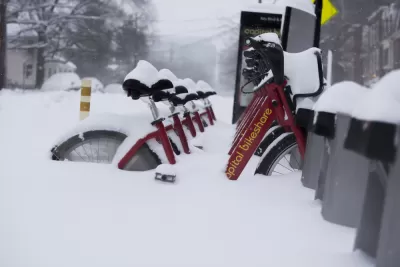
"Bike- and scooter-share systems across the country may soon be eligible for the federal transit dollars they need to remain a stable and thriving element of our transportation landscape, if advocates succeed in getting a hard-fought bill through Congress," reports Kea Wilson.
The legislation is being championed by members of the Congressional Bike Caucus, chaired by Rep. Earl Blumenauer, who authored the bill. (The Bike Caucus should not be confused with the Future of Transportation Caucus, though they share common members.)
The "long-stalled" Bikeshare Transit Act, as the bill is named, "would amend federal code to include micromobility projects under the umbrella of transit improvements that may get USDOT funding," according to Wilson. "Right now, transit agencies can use federal money to build parking for privately owned bikes at stops and stations, but not for micromobility hubs that riders could use to complete the last mile or two of their journey."
The new funding would be available in the Congestion Mitigation and Air Quality Improvement Program. The article includes a lot of detail about the market and political realities driving the reforms proposed in the new law.
FULL STORY: Bill Would Finally Give Bikeshare Transit Dollars

Biking Outpaces Transit Use in DC
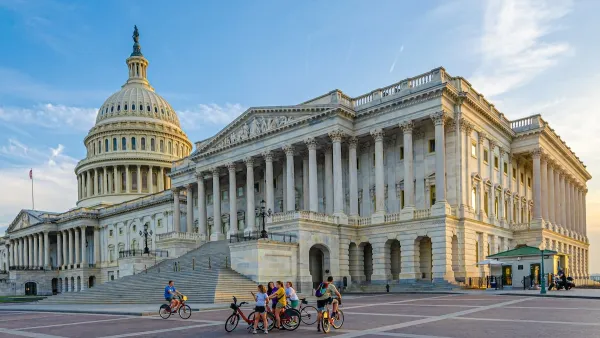
D.C. residents and visitors take as many as 30 million trips on bikes or shared mobility, yet bike lanes cover just one quarter of one percent of the District’s streets.
Biking's Billion-Dollar Value, Right Under Our Wheels
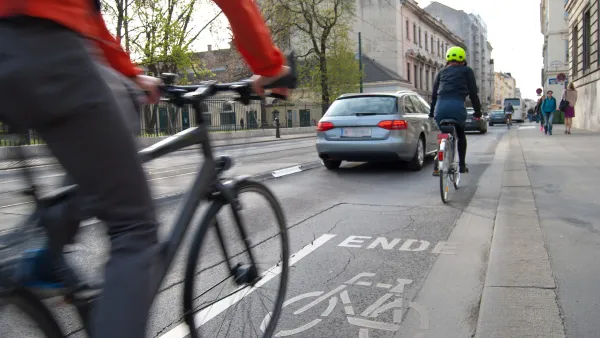
A strategic switch to biking would dramatically reduce the depth of roads, saving untold billions over the next generation.
Biking Takes Off in Toronto
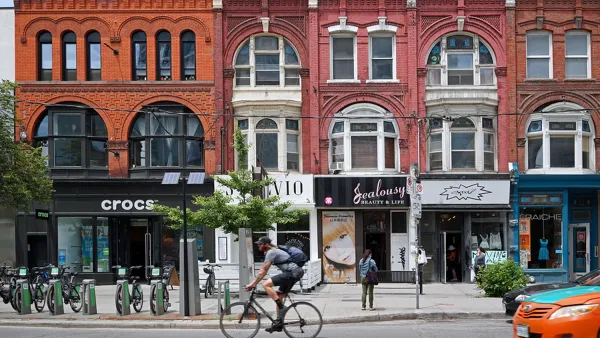
People in cities all over the world are choosing the bike as their preferred mode of transportation as the coronavirus shakes up work and travel patterns. Residents of the largest city in Canada are no exception.

The state-sanctioned urbicide of Austin
People don’t kill cities. Freeways do.

US to reduce Colorado River water deliveries to Mexico
A new Colorado Treaty amendment reduces Mexico’s Colorado River water allocation by 250,000 acre feet.

New Jersey’s second-largest city bans standalone data centers
Jersey City will continue to allow co-location facilities, such as those meant for research institutions that store their own data.

Amtrak not solely to blame for New Jersey commuter rail's unreliability, report finds
A new study from the Garden State Initiative found that NJ Transit’s budget grew 20% across a 4 year period, but reliability declined significantly over the same period.

EPA erases limits on planet-warming pollution from power plants
Under Monday’s plan, power plants would still have some limits on how much mercury, arsenic and other contaminants they can emit.

Phoenix announces new on-demand transit service, more frequent RAPID buses
Both new services will launch in October, and are part of Phoenix's Project Effective Access Solutions for Easing Congestion.

FREE Course: Walkable City 1: Why Walkability?
After describing his path towards focusing on walkability as the essence of good planning, Jeff Speck marches through his five principal reasons for making more walkable places.
Reinventing Malls: Planning Alchemy—Turning Gray Fields Into Gold
The course focuses on the opportunities and imperatives that shape reinvention of mall sites.

Eagle County Government
Harvard University Graduate School of Design
Nashville Planning Department
The Architects Foundation
University of Cincinnati Online
The Pocatello Development Authority
The Urban Renewal Agency of the City of Pocatello
Journal of the American Planning Association