News of a potential economic stimulus package in Congress is followed by news that two of the nation's most prominent transit systems are reducing cuts proposed to address plummeting revenues.


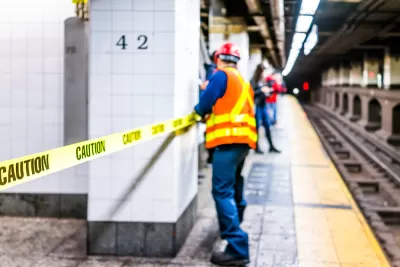
"The Metropolitan Transportation Authority is backing off from approving the so-called 'doomsday budget' that would have seen major cuts to subway and bus service in the city," according to an article by Spectrum News.
The MTA previously announced a proposed budget that would have cut 40 percent of weekday subway service and laid off more than 9,000 employees.
The positive news for the MTA's budget comes as reports from Washington, D.C. indicate that Congress seems to have cleared the logjam regarding a stimulus package that would include funding for public transit agencies. According to the Spectrum News, the MTA is expecting $4 billion as part of the package being negotiated now.
As of this writing, Congress seems poised to approve a $900 billion stimulus package, as reported by Politico and The New York Times.
In similar news from the Boston region, the Massachusetts Bay Transportation Authority (MBTA) has also scaled back promised service cuts, keeping some of the T routes that it proposed shutting down in November. The MBTA is still running a reduced service schedule to deal with COVID illnesses among system workers. Although the MBTA scaled back cuts, "riders will face longer waits between buses and trains, and 20 bus routes are still slated for elimination," according to an article by Christian MilNeil that updates the MBTA's service plans.
FULL STORY: Sources: MTA Backs Off So-Called 'Doomsday Budget'

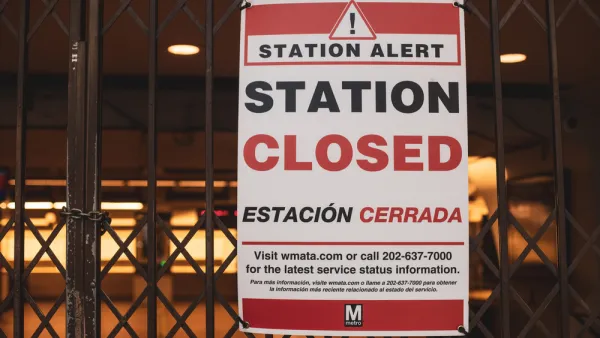
D.C. Metro Seeks Public Input on Proposed Service Cuts
D.C. Metro Seeks Public Input on Proposed Service Cuts
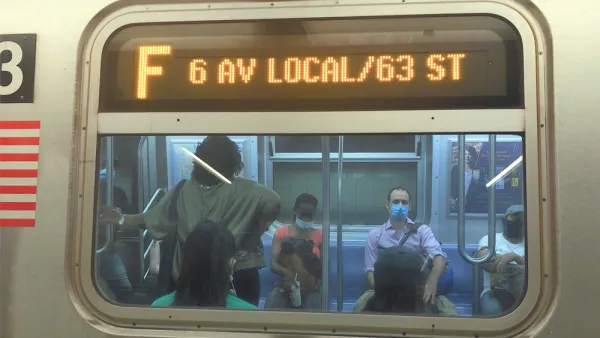
What's in the New Economic Stimulus Package for U.S. Transit Agencies
A new economic stimulus package that appears headed for approval as of this writing will give $15 billion to public transit, far less than transit advocates had hoped, but far better than nothing.
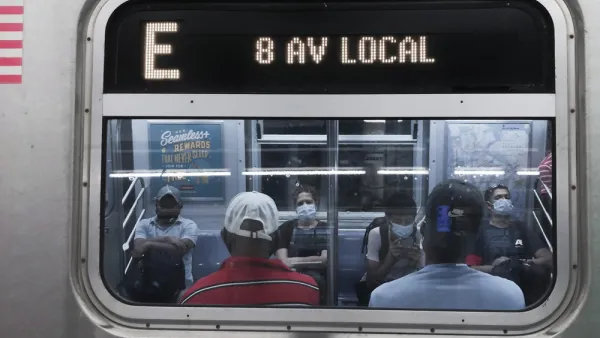
New York MTA Plans Catastrophic Service and Employment Cuts
A vague threat, present since the beginning of the pandemic, is now much more defined in New York City, as transit riders get an idea of what pandemic austerity looks like for the city's mobility. Congress can still save transit agencies.

Planetizen Federal Action Tracker
A weekly monitor of how Trump’s orders and actions are impacting planners and planning in America.

The state-sanctioned urbicide of Austin
People don’t kill cities. Freeways do.

US to reduce Colorado River water deliveries to Mexico
A new Colorado Treaty amendment reduces Mexico’s Colorado River water allocation by 250,000 acre feet.

Mamdani overhauls NYC's Vision Zero plan with 100 new policy goals
The overhaul aims to reduce traffic deaths and make streets safer for pedestrians, cyclists and drivers through lower speed limits, new safety infrastructure and more.

Amtrak not solely to blame for New Jersey commuter rail's unreliability, report finds
A new study from the Garden State Initiative found that NJ Transit’s budget grew 20% across a 4 year period, but reliability declined significantly over the same period.

EPA erases limits on planet-warming pollution from power plants
Under Monday’s plan, power plants would still have some limits on how much mercury, arsenic and other contaminants they can emit.

FREE Course: Walkable City 1: Why Walkability?
After describing his path towards focusing on walkability as the essence of good planning, Jeff Speck marches through his five principal reasons for making more walkable places.
Reinventing Malls: Planning Alchemy—Turning Gray Fields Into Gold
The course focuses on the opportunities and imperatives that shape reinvention of mall sites.

Eagle County Government
Harvard University Graduate School of Design
Nashville Planning Department
The Architects Foundation
University of Cincinnati Online
The Pocatello Development Authority
The Urban Renewal Agency of the City of Pocatello
Journal of the American Planning Association