The food system, from supply to distribution and consumption, is undergoing a rapid transformation. Community supported agriculture could potentially benefit.


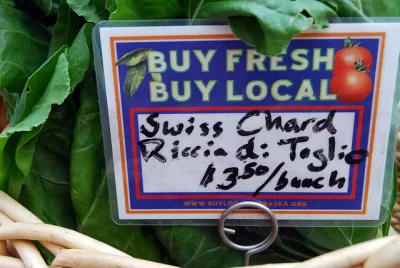
"From California to Maine, the movement known as community supported agriculture (CSA) is booming," according to an article by Eric Westervelt.
A soundbite puts an exclamation on this point:
"In all the time that we've worked with CSAs, which is several decades, we've never seen a surge as quickly as we have of the last few weeks," said Evan Wiig with the Community Alliance with Family Farmers, which supports and lobbies on behalf of CSAs across California.
Westervelt's coverage of the growth of CSAs contracts other narratives about risks emerging in the food system, both in terms of supply and distribution, that have emerged during the pandemic. The headline for an article by Kevin Rector, for instance, reads as follows: "Rotting food. Hungry masses. Chaotic supply chains. Coronavirus upends the U.S. food system."
Another article, by Adam Clark Estes for Recode, explains why the American meat shortage is much more serious than Wendy's asking, "where's the beef?" (the jokes on Twitter wrote themselves when news of a meat shortage at the fast food chain made the rounds earlier this month). The effects of the coronavirus on the U.S. food system could have lasting impacts for years, writes Estes:
This context should put your missing hamburger into perspective. The plight of these workers is just the starting point in a chain of crises the coronavirus is creating in America’s food supply. The shuttered meatpacking plants have created a bottleneck in the system through which most meat in the United States must flow in order to get ground beef to Wendy’s, chicken breasts to your local grocery stores, bacon to the nearby diner now trying to run a takeout business, and so on.
With such dire warnings and near-panic seeping from most stories about the U.S. food system, a "heydey for CSAs," as it's called in Westervelt's article, could be considered a silver lining.
FULL STORY: As Food Supply Chain Breaks Down, Farm-To-Door CSAs Take Off


Serpentine Maze: Pop-Up Parks in the Pandemic
If the combined effects of winter's cold and the pandemic has you bummed, check out this community-building exercise in the frozen North.

Five Actions to Combat COVID-19 in Hawaii
A data-driven approach is needed to figure out how the disease has spread in the islands and what can be done to contain it.
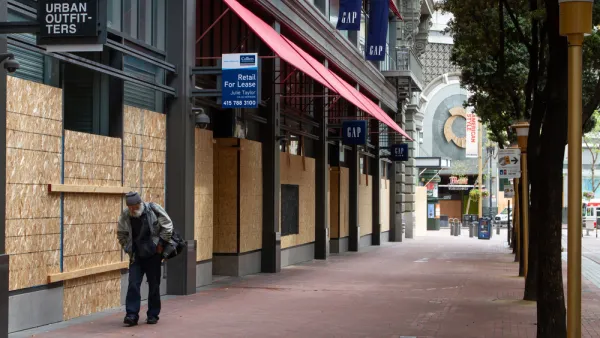
After the Plague: Go Big or Go Backwards?
Among unwelcome lessons of COVID-19 is growing evidence of what was already broken in politics and business. Ben Brown looks at making bold changes in order to improve the lives of the left out and left behind.

Planetizen Federal Action Tracker
A weekly monitor of how Trump’s orders and actions are impacting planners and planning in America.

The state-sanctioned urbicide of Austin
People don’t kill cities. Freeways do.

US to reduce Colorado River water deliveries to Mexico
A new Colorado Treaty amendment reduces Mexico’s Colorado River water allocation by 250,000 acre feet.

Mamdani overhauls NYC's Vision Zero plan with 100 new policy goals
The overhaul aims to reduce traffic deaths and make streets safer for pedestrians, cyclists and drivers through lower speed limits, new safety infrastructure and more.

Amtrak not solely to blame for New Jersey commuter rail's unreliability, report finds
A new study from the Garden State Initiative found that NJ Transit’s budget grew 20% across a 4 year period, but reliability declined significantly over the same period.

EPA erases limits on planet-warming pollution from power plants
Under Monday’s plan, power plants would still have some limits on how much mercury, arsenic and other contaminants they can emit.

FREE Course: Walkable City 1: Why Walkability?
After describing his path towards focusing on walkability as the essence of good planning, Jeff Speck marches through his five principal reasons for making more walkable places.
Reinventing Malls: Planning Alchemy—Turning Gray Fields Into Gold
The course focuses on the opportunities and imperatives that shape reinvention of mall sites.

Eagle County Government
Harvard University Graduate School of Design
Nashville Planning Department
The Architects Foundation
University of Cincinnati Online
The Pocatello Development Authority
The Urban Renewal Agency of the City of Pocatello
Journal of the American Planning Association