A pilot project in Tampa is closing select streets to cars to allow more space for dine-in restaurant service.


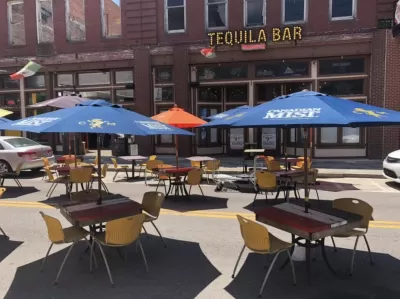
"In an effort to help further stimulate businesses throughout Tampa, the city proposed closing down select streets to cars entirely," reports Andrew Harlan.
"[R]estaurants and retailers in Tampa can begin catering to customers on premises with 25% occupancy inside, and tables spaced 6 feet apart outside."
The new Business Recovery Zones pilot program launched on Monday May 4, and will run for 14 days during a pilot program. Several streets in the historic district of Ybor City are designated the Business Recovery Zones, as are streets in the neighborhoods of Downtown Tampa, Hyde Park, Hyde Park Village, Tampa Heights, West River, and SoHo, according to a separate article published by Tampa Bay Metro.
Jason Fernandez, owner of Tequilas Taqueria & Tequila Bar in Ybor City, posted a picture on Facebook of his restaurant all decked out in preparation for the Cinco de mayo celebration yesterday.
By closing streets to cars to allow more room for local businesses to operate with enough space for social distancing, Tampa follows in the footsteps of Vilnius, Lithuania and Brookhaven, Georgia. New York City could also follow suit.
FULL STORY: City of Tampa to shut down select streets to cars to help small businesses


Another City Opens Street Space for Restaurants—This Time in Suburban Chicago
Tampa, Brookhaven, Vilnius, Hinsdale. These cities will be the answer to a COVID-themed trivia night some time soon.
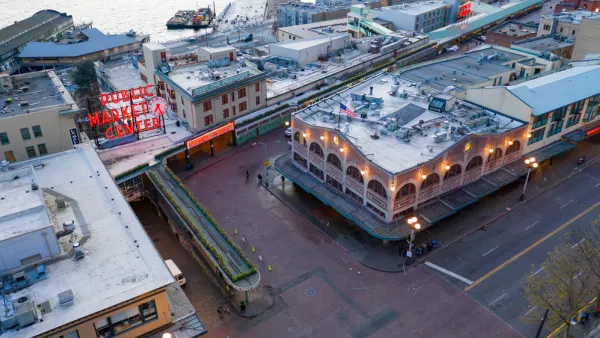
Seattle Extends Outdoor Dining for a Year, Eases Rules on Heaters for the Winter
Outdoor dining is going to hang out for a bit.
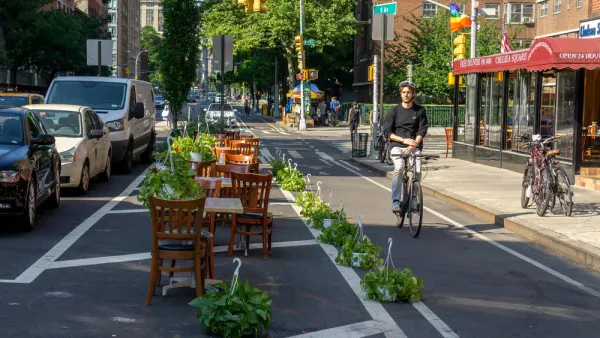
'Open Restaurants on Open Streets' Program Announced in NYC
The al fresco streets concept is coming to New York City.

Planetizen Federal Action Tracker
A weekly monitor of how Trump’s orders and actions are impacting planners and planning in America.

The state-sanctioned urbicide of Austin
People don’t kill cities. Freeways do.

US to reduce Colorado River water deliveries to Mexico
A new Colorado Treaty amendment reduces Mexico’s Colorado River water allocation by 250,000 acre feet.

5 New England states march closer to 800 megawatt wind energy project
Securing federal approval for the project may be complicated under the Trump administration, which has historically been hostile towards domestic wind power.

Baltimore to break ground on $50 million Transit Priority Project
The project will bring faster bus trips, safer streets and better bike connections to Baltimore.

Airbnb launches $250 million 'last-dollar financing' housing accelerator, makes first investment in Austin
The company will put $6.4 million towards affordable housing development in Texas’ capital.

FREE Course: Walkable City 1: Why Walkability?
After describing his path towards focusing on walkability as the essence of good planning, Jeff Speck marches through his five principal reasons for making more walkable places.
Reinventing Malls: Planning Alchemy—Turning Gray Fields Into Gold
The course focuses on the opportunities and imperatives that shape reinvention of mall sites.

Eagle County Government
Harvard University Graduate School of Design
Nashville Planning Department
The Architects Foundation
University of Cincinnati Online
The Pocatello Development Authority
The Urban Renewal Agency of the City of Pocatello
Journal of the American Planning Association