The known quantity of the EZ Pass system could prevent innovations in congestion pricing that would prevent the challenges since London enacted a similar policy.


Flavie Halais digs into some of the specifics of New York City congestion pricing plan, which is still more than a year away from implementation but taking shape. One key point, the system's use of essentially the same E-ZPass toll system that’s already used on New York’s roads, bridges, and tunnels, has raised concern with critics. To understand why, Halais cites the example of London.
In 2003 the British capital introduced a £11.50 flat fee for vehicles entering a 13-square-mile zone in the city center between 7 am and 6 pm on weekdays. The number of cars driving through Central London fell sharply, but began rising again when ride-hailing apps like Uber appeared in 2012. Private-hire vehicles were exempt from the charge, and as their number increased, so did traffic. This slowed the bus system, in turn leading more people to abandon public transit.
London attempted some changes to the policy, as documented by Halais, but challenges persist. The lesson for New York City, according to Halais, "They should think about vehicle size, or number of passengers, distance travelled, and what other options are available to those who do drive." The E-ZPass system won't allow the kinds of dynamic pricing schemes recommended here, and some experts are calling it a missed opportunity.
FULL STORY: NYC Has an Old-Timey Plan to Fix Its Traffic Future

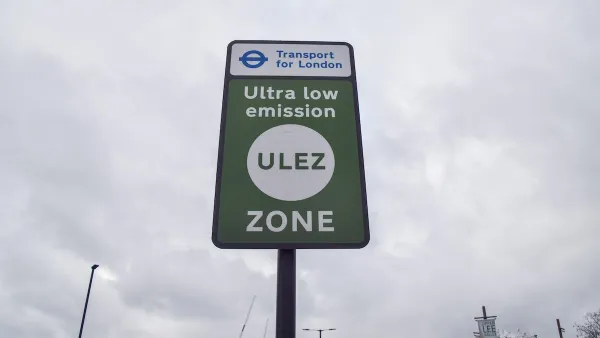
London Congestion Pricing Zone Has No Impact on Local Spending
The city’s cordon pricing scheme did not affect how much people spent at local businesses, new research finds.
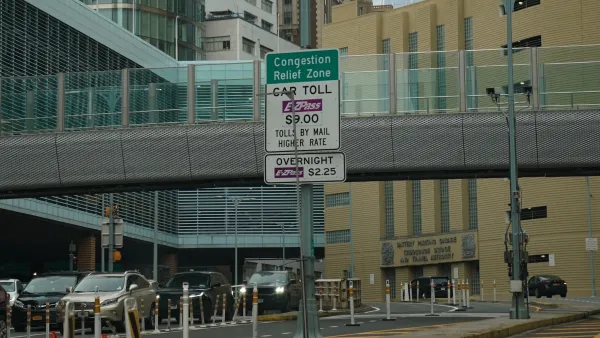
Judge Rules to Keep NYC Congestion Pricing, Ending Trump's Legal Challenge
The decision likely deals a fatal blow to efforts to end the program, but the Trump administration says it will explore other avenues for reversing the congestion pricing scheme.
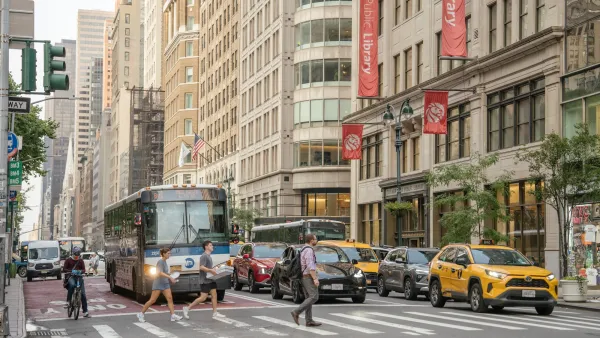
One-Year Numbers Show Clear Win for NYC Congestion Pricing
While the Trump administration continues trying to kill the program, data one year out shows that the new toll dramatically decreased traffic and improved transit travel times.

Planetizen Federal Action Tracker
A weekly monitor of how Trump’s orders and actions are impacting planners and planning in America.

The state-sanctioned urbicide of Austin
People don’t kill cities. Freeways do.

US to reduce Colorado River water deliveries to Mexico
A new Colorado Treaty amendment reduces Mexico’s Colorado River water allocation by 250,000 acre feet.

5 New England states march closer to 800 megawatt wind energy project
Securing federal approval for the project may be complicated under the Trump administration, which has historically been hostile towards domestic wind power.

Baltimore to break ground on $50 million Transit Priority Project
The project will bring faster bus trips, safer streets and better bike connections to Baltimore.

Airbnb launches $250 million 'last-dollar financing' housing accelerator, makes first investment in Austin
The company will put $6.4 million towards affordable housing development in Texas’ capital.

FREE Course: Walkable City 1: Why Walkability?
After describing his path towards focusing on walkability as the essence of good planning, Jeff Speck marches through his five principal reasons for making more walkable places.
Reinventing Malls: Planning Alchemy—Turning Gray Fields Into Gold
The course focuses on the opportunities and imperatives that shape reinvention of mall sites.

Eagle County Government
Harvard University Graduate School of Design
Nashville Planning Department
The Architects Foundation
University of Cincinnati Online
The Pocatello Development Authority
The Urban Renewal Agency of the City of Pocatello
Journal of the American Planning Association