A new book argues that buses are an integral part of successful mobility networks and that better bus systems improve cities in ways benefiting all residents.


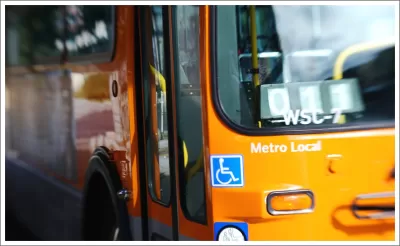
John Surico spoke with Steven Higashide of TransitCenter about his new book, Better Buses, Better Cities. Higashide says that buses and bus systems in the United States too often are considered the mode of last resort and a social service. As a result, buses are not at the forefront of transportation policy, particularly at the federal level.
But notes Higashide, buses play a much different role in mobility systems in other countries. "Often, you hear decision makers talk of the need for world-class transit—but if you look at great transit systems around the world, they all have much better and more bus service than we have in the U.S. Buses are world-class transit as well."
Buses should play a more prominent role in the Green New Deal, and strategies like tactical transit can help speed up the infrastructure and operations changes needed to improve transit, argues Higashide. "It’s really important for advocates and city leaders to understand that transit is the backbone of urban mobility. While microtransit and micromobility may have some role in filling in the gaps, they can’t replace the technology of buses and trains that can carry thousands or tens of thousands of people per hour."
FULL STORY: Why the Bus Got So Bad, and How to Save It

Opinion: To Increase Equity, Make Buses Free
With buses as a dominant transport mode for low-income households and "essential workers," free fares would increase access to economic opportunities and free up limited income for cash-strapped commuters.
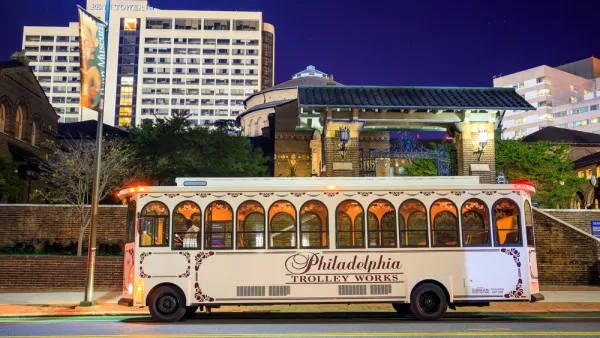
Philadelphia Leaders Dream Big With New Transit Plan
The plan, which looks more than two decades into the future, seeks to modernize the city's transit system, address inequities, and improve regional connectivity.
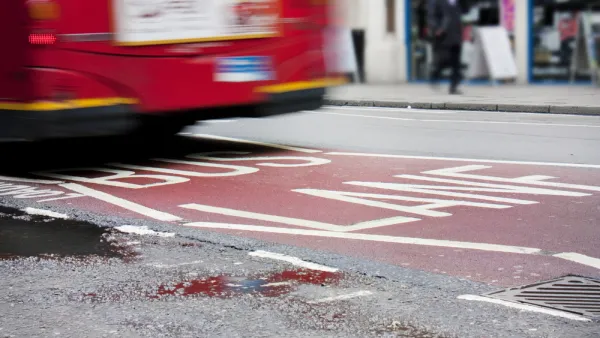
Pandemic Bus Lanes Show Promise as Permanent Solutions
As cities streamline approval processes for bus-only lanes during the pandemic, transit experts hope the projects will lead to lasting change.

The state-sanctioned urbicide of Austin
People don’t kill cities. Freeways do.

US to reduce Colorado River water deliveries to Mexico
A new Colorado Treaty amendment reduces Mexico’s Colorado River water allocation by 250,000 acre feet.

New Jersey’s second-largest city bans standalone data centers
Jersey City will continue to allow co-location facilities, such as those meant for research institutions that store their own data.

Amtrak not solely to blame for New Jersey commuter rail's unreliability, report finds
A new study from the Garden State Initiative found that NJ Transit’s budget grew 20% across a 4 year period, but reliability declined significantly over the same period.

EPA erases limits on planet-warming pollution from power plants
Under Monday’s plan, power plants would still have some limits on how much mercury, arsenic and other contaminants they can emit.

Phoenix announces new on-demand transit service, more frequent RAPID buses
Both new services will launch in October, and are part of Phoenix's Project Effective Access Solutions for Easing Congestion.

FREE Course: Walkable City 1: Why Walkability?
After describing his path towards focusing on walkability as the essence of good planning, Jeff Speck marches through his five principal reasons for making more walkable places.
Reinventing Malls: Planning Alchemy—Turning Gray Fields Into Gold
The course focuses on the opportunities and imperatives that shape reinvention of mall sites.

Eagle County Government
Harvard University Graduate School of Design
Nashville Planning Department
The Architects Foundation
University of Cincinnati Online
The Pocatello Development Authority
The Urban Renewal Agency of the City of Pocatello
Journal of the American Planning Association