The Seattle Department of Transportation (SDOT) recently commissioned a study to explore the potential impact of congestion pricing.


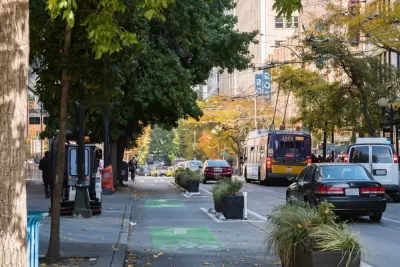
Seattle joins the ranks of large cities like New York City and Los Angeles to get serious about the idea of congestion pricing, or charging more for drivers to enter heavily trafficked areas of the city.
Heidi Groover reports on the findings of a consultant's study [pdf] paid for by the Seattle Department of Transportation into the suddenly fashionable idea.
Groover summarizes the conclusions of the study: "Charging drivers to enter downtown Seattle could ease traffic and curb emissions, but without the proper safeguards also could hit people of color and people with low incomes particularly hard."
Planetizen picked up the news about Seattle's interest in the idea back in April 2018, when the study launched. Mayor Jenny Durkan has expressed support for the idea, even going on the record to support implementation in her first term.
FULL STORY: Would you pay to drive in downtown Seattle? Study looks at the pros and cons of ‘congestion pricing’

Congestion Pricing Gains Traction in Seattle
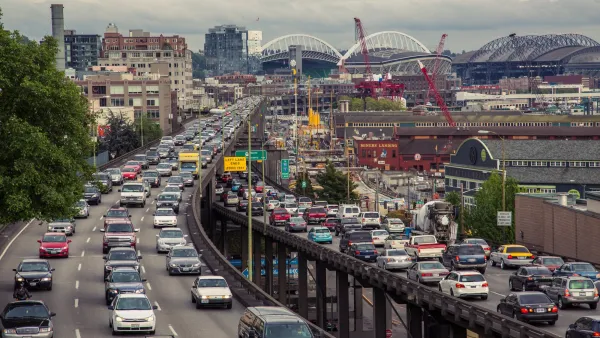
Congestion pricing is a popular subject of conversation in Seattle, even if the idea hasn't yet proven popular with voters. The city is looking for ways to lead on climate change by reducing emissions from transportation.

Will Manhattan's "Central Business District Tolling" Clear the Way for More Congestion Pricing?
Cordon pricing applied to Manhattan's Central Business District, approved by the state legislature on March 31 and signed into law by Gov. Andrew Cuomo on April 1, has the ability to be a game changer for other cities considering similar programs.
Big Surprise: Congestion Pricing Tolls Don't Poll Well
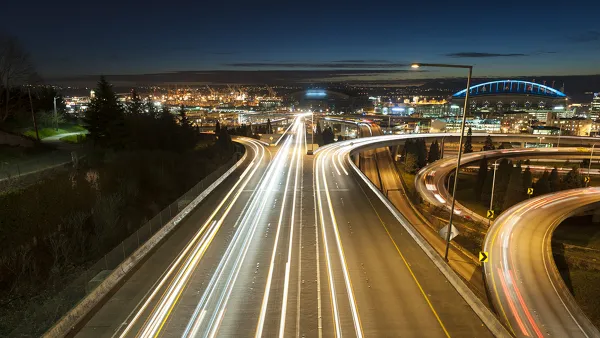
As Seattle prepares a possible cordon area congestion pricing plan to tackle both traffic congestion and climate change, The Seattle Times did a poll on two applications of congestion pricing: urban tolls and adding express toll lanes to freeways.

The state-sanctioned urbicide of Austin
People don’t kill cities. Freeways do.

US to reduce Colorado River water deliveries to Mexico
A new Colorado Treaty amendment reduces Mexico’s Colorado River water allocation by 250,000 acre feet.

New Jersey’s second-largest city bans standalone data centers
Jersey City will continue to allow co-location facilities, such as those meant for research institutions that store their own data.

Amtrak not solely to blame for New Jersey commuter rail's unreliability, report finds
A new study from the Garden State Initiative found that NJ Transit’s budget grew 20% across a 4 year period, but reliability declined significantly over the same period.

EPA erases limits on planet-warming pollution from power plants
Under Monday’s plan, power plants would still have some limits on how much mercury, arsenic and other contaminants they can emit.

Phoenix announces new on-demand transit service, more frequent RAPID buses
Both new services will launch in October, and are part of Phoenix's Project Effective Access Solutions for Easing Congestion.

FREE Course: Walkable City 1: Why Walkability?
After describing his path towards focusing on walkability as the essence of good planning, Jeff Speck marches through his five principal reasons for making more walkable places.
Reinventing Malls: Planning Alchemy—Turning Gray Fields Into Gold
The course focuses on the opportunities and imperatives that shape reinvention of mall sites.

Eagle County Government
Harvard University Graduate School of Design
Nashville Planning Department
The Architects Foundation
University of Cincinnati Online
The Pocatello Development Authority
The Urban Renewal Agency of the City of Pocatello
Journal of the American Planning Association