The city of Chicago will address some of the street configuration issues that plague bus service on its most-heavily used corridors.


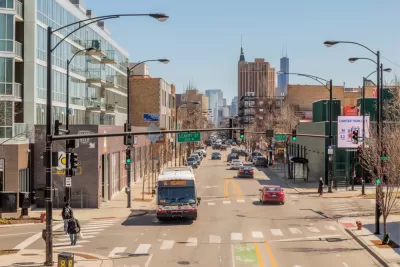
"Chicago Transit Authority (CTA) bus service is being prioritized through a series of projects to be completed this year aimed at improving pedestrian safety and the flow of traffic along Chicago's most heavily traveled corridors," reports Mischa Wanek-Libman.
The city is spending $5 million on the new Bus Priority Zones program, which will attempt to "unsnarl bus slow zones and improve service along entire bus routes."
"The city says improvements made under the Bus Priority Zone program may include street resurfacing work and establishing designated bus-only lanes along certain stretches of the corridor to improve bus service during weekday rush periods or all-day, depending on the specific location," according to Wanek-Libman. "Other program elements include queue jump signals to give buses a head start to get in front of regular traffic, optimizing the location of bus stops, as well as improvements that support pedestrian safety and overall traffic flow for all vehicles."
Read the full story: Chicago launches Bus Priority Zone initiative

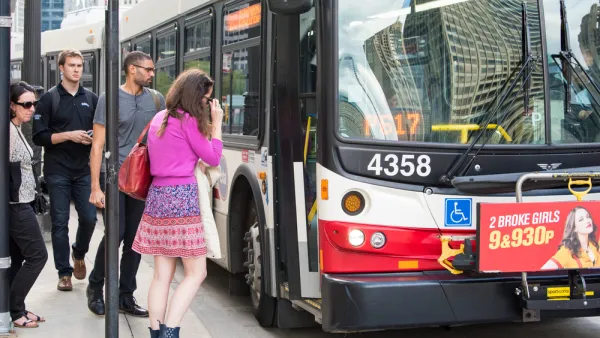
Chicago to Pilot All-Door Bus Boarding
Chicago is late to the game on all-door bus boarding, but that will change this summer.
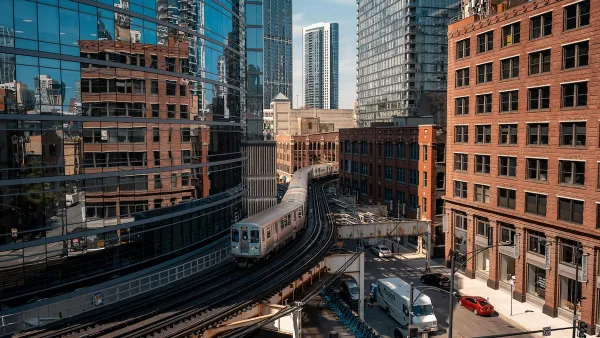
Chicago Transit: $770M Shortfall, 40% Service Cuts Loom
Despite dire warnings from transit officials, the Illinois General Assembly ended its legislative session without a solution.
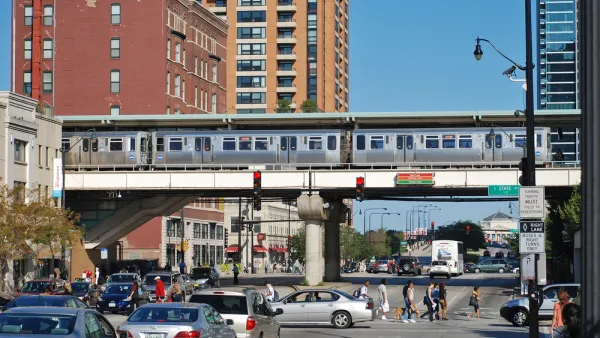
Chicago Transit Increasing Rail Service to Pre-Pandemic Levels
The Chicago Transit Authority is close to returning both rail and bus service to pre-pandemic schedules, with some adjustments for new travel demand.

Planetizen Federal Action Tracker
A weekly monitor of how Trump’s orders and actions are impacting planners and planning in America.

California plans to bury El Niño’s downpour
If the state plays its cards right, it may be able to store a billion acre-feet of El Niño’s water in aquifers.

Chicago breaks ground on $3 billion megadevelopment
The new neighborhood, titled Foundry Park, will one day host 3,700 residences.

California High-Speed Rail Authority CEO resigns after $600,000 scandal
Under Ian Choudri, the authority used taxpayer dollars to fund first class flights and trips to nightclubs.

Want to study the Missouri River? Soon, you may need unanimous approval from 10 states
Legislation would require 10 governors’ permission to study or build projects moving water outside the basin.

Desperate measures: Advocates weigh draining Lake Powell to fill Colorado River
Draining the reservoir could reduce evaporation losses by a couple hundred thousand acre-feet.

FREE Course: Walkable City 1: Why Walkability?
After describing his path towards focusing on walkability as the essence of good planning, Jeff Speck marches through his five principal reasons for making more walkable places.
Reinventing Malls: Planning Alchemy—Turning Gray Fields Into Gold
The course focuses on the opportunities and imperatives that shape reinvention of mall sites.

City of Rosemead
Rutgers University, Edward J. Bloustein School of Planning and Public Policy
One Hundred Miles
Hunter College, City University of New York (CUNY)
The Architects Foundation
University of Cincinnati Online
City of Cambridge
Montrose County
The Pocatello Development Authority