Embrace the crowds.


Aaron Gordon was inspired by the impending closure of the L Train in New York City and the recent publicity stunts of Elon Musk and the Boring Company to make an appeal for the subway.
What makes the subway such a success is not just the fact that the trains go through tunnels or travel particularly quickly. Instead, the subway is New York’s miracle precisely because of the one thing we hate about it. The subway is really, really crowded. And that’s what makes it good.
As urban areas continue to grow, Americans need to confront their intolerance for cramming together. Ubers, self-driving cars, and hyperloops titillate the imagination by promising a speedy, comfortable, and isolated vision of transportation — but all these promises are illusory. If we’re ever going to make cities work, we need to accept, and come to love, a fundamental truth: Packed urban transit is good urban transit.
That's Gordon's premise. The article goes on to present a history of crowding in U.S. transportation systems, the recent addition of tech startup money in the transportation equation, and a final call to action to embrace the crowds of public transit.
FULL STORY: It’s Time to Fall in Love With Stuffy, Crowded Subways

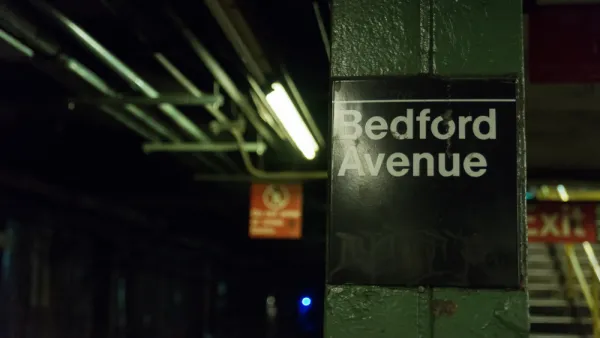
First Weekend of L Train Slowdown Could Have Been Worse
The long awaited repair work on the L Train between Brooklyn and Manhattan launched over the weekend.
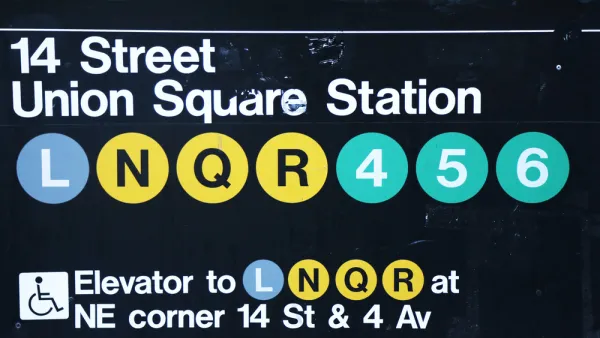
New York's L Train Will Be Closed for 18 Months
The New York MTA has chosen the "remove-the-band-aid-quickly" strategy for its plans to repair the L Train line from Brooklyn to Manhattan.
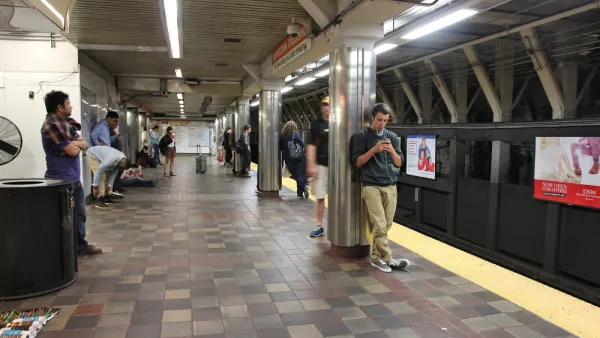
The Sad Saga of Three East Coast Subways
With so much attention placed on the woes facing D.C. Metro, it's important to recognize that it is hardly the only subway facing critical infrastructure investment needs.

The state-sanctioned urbicide of Austin
People don’t kill cities. Freeways do.

US to reduce Colorado River water deliveries to Mexico
A new Colorado Treaty amendment reduces Mexico’s Colorado River water allocation by 250,000 acre feet.

New Jersey’s second-largest city bans standalone data centers
Jersey City will continue to allow co-location facilities, such as those meant for research institutions that store their own data.

Amtrak not solely to blame for New Jersey commuter rail's unreliability, report finds
A new study from the Garden State Initiative found that NJ Transit’s budget grew 20% across a 4 year period, but reliability declined significantly over the same period.

EPA erases limits on planet-warming pollution from power plants
Under Monday’s plan, power plants would still have some limits on how much mercury, arsenic and other contaminants they can emit.

Phoenix announces new on-demand transit service, more frequent RAPID buses
Both new services will launch in October, and are part of Phoenix's Project Effective Access Solutions for Easing Congestion.

FREE Course: Walkable City 1: Why Walkability?
After describing his path towards focusing on walkability as the essence of good planning, Jeff Speck marches through his five principal reasons for making more walkable places.
Reinventing Malls: Planning Alchemy—Turning Gray Fields Into Gold
The course focuses on the opportunities and imperatives that shape reinvention of mall sites.

Eagle County Government
Harvard University Graduate School of Design
Nashville Planning Department
The Architects Foundation
University of Cincinnati Online
The Pocatello Development Authority
The Urban Renewal Agency of the City of Pocatello
Journal of the American Planning Association