A transit rider offers a powerful perspective on what it's like to use a wheelchair in New York City.


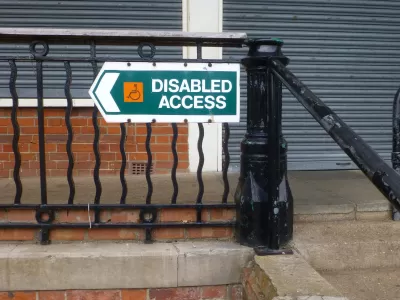
In the New York Times, New York resident Nolan Ryan Trowe details the difficulty of navigating a famously walkable and transit-rich city using a wheelchair.
On top of near-constant discrimination from strangers, Trowe writes, "I learned quickly that the lack of accessibility in the city's subway system adds to the frustration and humiliation.
Subway station elevators to the train platforms are frequently broken and there are often no accessible stations where I need to go. I am not supposed to walk, but at times I am forced to ask someone to carry my chair down or up the steps, while I make my way tentatively on foot, putting me at risk of further injury and infection … On many days, I wait for two or three trains before finding one that has space for me in the car."
Disability justice activists sued the MTA in May 2017 for practices in station design and maintenance that effectively shut disabled residents out of public transportation. In May 2018, the MTA approved $600 million to improve wheelchair access. Still, Trowe notes, "The city estimates that there are nearly 100,000 wheelchair users in New York City. Fewer than one-quarter of city subway stations are accessible."
FULL STORY: Revelations in a Wheelchair

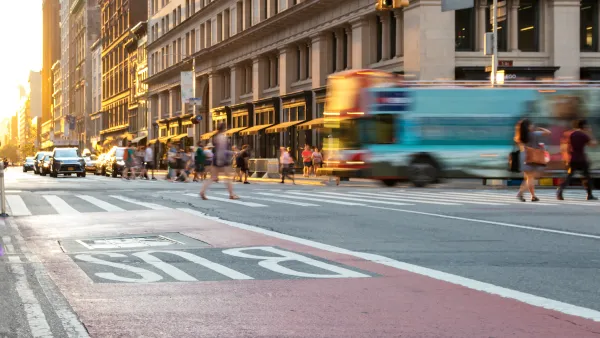
New York Officials Back Down on Bus Lane Plans
Proposed bus improvements in the Bronx are the latest casualty of opposition.
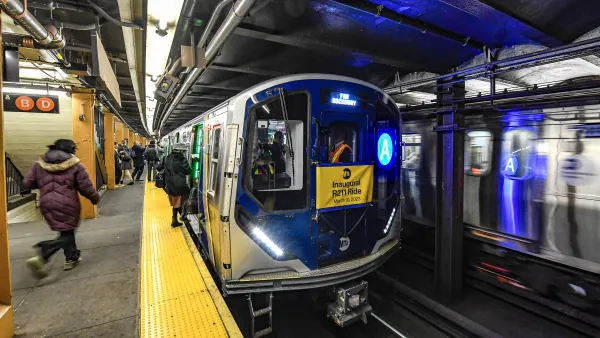
Fancy New Subway Cars Join the New York Subway System
New York has been planning on adding these new subway cars for years, finally achieving their goal in March 2023. More than a thousand of the new R211 trains will be running in New York within two years if all goes according to plan.
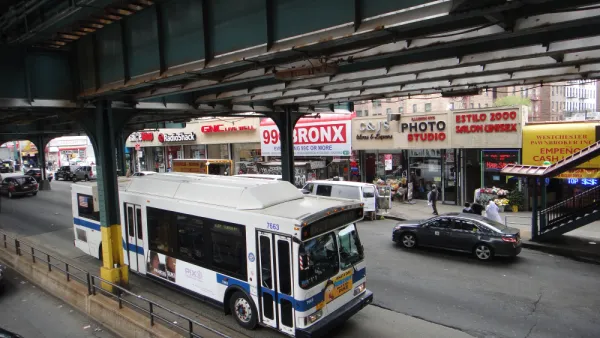
Changes to Local Service in the Bronx Benefit Bus Speeds, Ridership
Another example of how improving bus service design can benefit transit riders and transit systems emerges in New York City. More such local system redesigns are on the way soon in the Big Apple.

Planetizen Federal Action Tracker
A weekly monitor of how Trump’s orders and actions are impacting planners and planning in America.

The state-sanctioned urbicide of Austin
People don’t kill cities. Freeways do.

US to reduce Colorado River water deliveries to Mexico
A new Colorado Treaty amendment reduces Mexico’s Colorado River water allocation by 250,000 acre feet.

5 New England states march closer to 800 megawatt wind energy project
Securing federal approval for the project may be complicated under the Trump administration, which has historically been hostile towards domestic wind power.

Baltimore to break ground on $50 million Transit Priority Project
The project will bring faster bus trips, safer streets and better bike connections to Baltimore.

Airbnb launches $250 million 'last-dollar financing' housing accelerator, makes first investment in Austin
The company will put $6.4 million towards affordable housing development in Texas’ capital.

FREE Course: Walkable City 1: Why Walkability?
After describing his path towards focusing on walkability as the essence of good planning, Jeff Speck marches through his five principal reasons for making more walkable places.
Reinventing Malls: Planning Alchemy—Turning Gray Fields Into Gold
The course focuses on the opportunities and imperatives that shape reinvention of mall sites.

Eagle County Government
Harvard University Graduate School of Design
Nashville Planning Department
The Architects Foundation
University of Cincinnati Online
The Pocatello Development Authority
The Urban Renewal Agency of the City of Pocatello
Journal of the American Planning Association