Using transit gives children experiences, skills, and perspectives that they won’t get riding in a car.


Nidhi Gulati writes that public transit offers much more than just a mode of transportation. For children, it provides opportunities for cognitive development, as they learn to navigate public transit systems. Less exposure to pollution and vehicle collisions also improves their health and well-being.
Furthermore, riding transit helps children with social skills and autonomy, lets them experience the built environment, and helps them better understand their place in it, says Gulati:
Children who ride the bus or train know how the world around them looks, sounds and feels, allowing them the opportunity to develop a more acute social awareness. It also exposes them to the various mini-interactions — from saying hello to strangers, the courtesy nod, pardoning yourself before brushing past someone, politely asking for a seat on a crowded bus or tackling less than desirable elements — all staples on the humble bus.
In addition, traveling by transit gives parents more chances to engage directly with their children than they might have while driving, notes Gulati. Transit is also crucial in providing adults access to job opportunities, affordable housing, and other services—factors that in turn influence and improve the lives of children.
FULL STORY: Seven reasons why you should take your child on public transport

New Transit Systems of 2010
Garrett Bradford of TheCityFix reviews some of the most innovative and sustainable transit systems from around the globe that made their debut over the last twelve months.
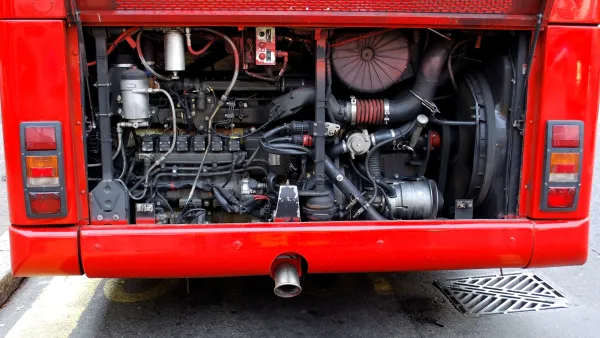
APTA Requests CDL Testing Change to Address Bus Operator Shortage
Eighty-four percent of U.S. transit agencies surveyed said CDL complexity was a hiring obstacle, with the “under-the-hood” requirement being the most challenging.
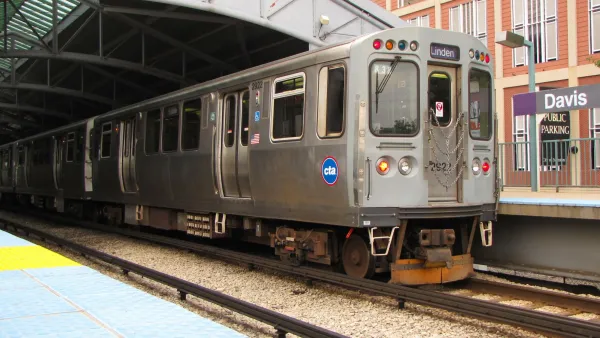
Chicago Transit Recovery Trails Behind Other Major US Cities
Sluggish ridership rates and staffing shortages are dampening recovery. Looming budget gaps could make things even worse.

The state-sanctioned urbicide of Austin
People don’t kill cities. Freeways do.

US to reduce Colorado River water deliveries to Mexico
A new Colorado Treaty amendment reduces Mexico’s Colorado River water allocation by 250,000 acre feet.

New Jersey’s second-largest city bans standalone data centers
Jersey City will continue to allow co-location facilities, such as those meant for research institutions that store their own data.

Amtrak not solely to blame for New Jersey commuter rail's unreliability, report finds
A new study from the Garden State Initiative found that NJ Transit’s budget grew 20% across a 4 year period, but reliability declined significantly over the same period.

EPA erases limits on planet-warming pollution from power plants
Under Monday’s plan, power plants would still have some limits on how much mercury, arsenic and other contaminants they can emit.

Phoenix announces new on-demand transit service, more frequent RAPID buses
Both new services will launch in October, and are part of Phoenix's Project Effective Access Solutions for Easing Congestion.

FREE Course: Walkable City 1: Why Walkability?
After describing his path towards focusing on walkability as the essence of good planning, Jeff Speck marches through his five principal reasons for making more walkable places.
Reinventing Malls: Planning Alchemy—Turning Gray Fields Into Gold
The course focuses on the opportunities and imperatives that shape reinvention of mall sites.

Eagle County Government
Harvard University Graduate School of Design
Nashville Planning Department
The Architects Foundation
University of Cincinnati Online
The Pocatello Development Authority
The Urban Renewal Agency of the City of Pocatello
Journal of the American Planning Association