Garrett Bradford of TheCityFix reviews some of the most innovative and sustainable transit systems from around the globe that made their debut over the last twelve months.


Dozens of new public transportation systems came online this year. From London to Lima, "from bike sharing to bus rapid transit (BRT), cities around the globe turned to sustainable transport to improve the quality of life for their residents, while also reducing greenhouse gas emissions and air pollution."
A truly groundbreaking system was Guangzhou's BRT network, which was launched in February:
"[It's] the first BRT to directly connect to a metro system, the first BRT system in China to include bike parking in its station design, the world's highest number of passenger boardings at BRT stations, highest BRT bus frequency, and longest BRT stations. The system includes 980 buses stopping at 26 stations along 23 kilometers of dedicated bus lanes."
Thanks to Garrett Bradford
Read the full story: Best of 2010: New Transit Systems

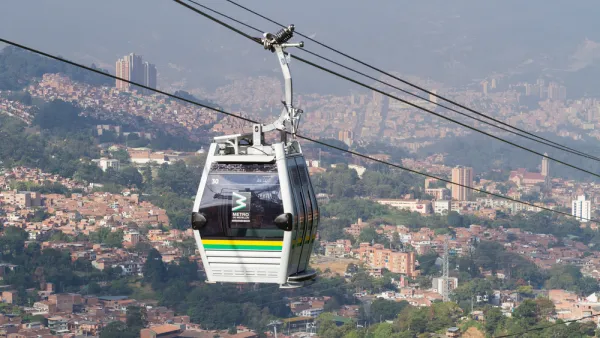
On Public Transit, Some of the World’s Best Sightseeing
From Los Angeles to Hong Kong to Sydney, the best—and the cheapest—views are on ferries, buses, trains, and gondolas.
Op-Ed: 'Public Mood' Has Turned Against Cars in Cities
A survey of recent planning decisions demonstrates that cities are no longer necessarily looking to more and bigger highways to solve their traffic problems.
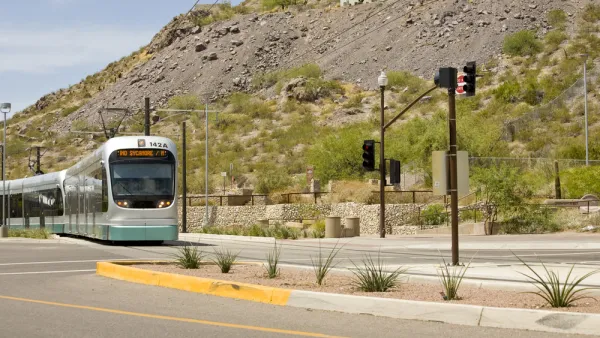
Light Rail Leading the Way in the Sun Belt
Cities traditionally thought of as car-centric are putting ambitious light rail plans at the center of ambitious plans for transit.

Planetizen Federal Action Tracker
A weekly monitor of how Trump’s orders and actions are impacting planners and planning in America.

Chicago breaks ground on $3 billion megadevelopment
The new neighborhood, titled Foundry Park, will one day host 3,700 residences.

This MA town is drowning in its own sewage — and residents like it that way
Susan Murcott, a waste water expert, said if Carlisle didn't address their leaking sewage, the problem could turn “deadly.”

Iowa taxpayers are paying thousands to clean manure out of their water
While the Clean Water Act makes states responsible for regulating factory farms that discharge pollutants, Iowa has turned a blind eye to the polluting farms.

Amtrak cuts ribbon on Seattle Airo maintenance facility
The $250 million, nearly 100,000-square-foot building can house an entire Cascades Airo trainset.

To power data centers, Google seeks autonomous control of thousands of homes’ electricity
The tech company has signed a deal to indirectly pay Mid-Atlantic residents to reduce their power demand when the grid is strained.

FREE Course: Walkable City 1: Why Walkability?
After describing his path towards focusing on walkability as the essence of good planning, Jeff Speck marches through his five principal reasons for making more walkable places.
Reinventing Malls: Planning Alchemy—Turning Gray Fields Into Gold
The course focuses on the opportunities and imperatives that shape reinvention of mall sites.

City of Rosemead
Rutgers University, Edward J. Bloustein School of Planning and Public Policy
One Hundred Miles
The Architects Foundation
University of Cincinnati Online
Montrose County
The Pocatello Development Authority
The Urban Renewal Agency of the City of Pocatello