Eighty-four percent of U.S. transit agencies surveyed said CDL complexity was a hiring obstacle, with the “under-the-hood” requirement being the most challenging.



According to an article from Mass Transit, 85 percent of public transit agencies across the country continue to face worker shortages in the wake of the pandemic, particularly bus operators. The American Public Transportation Agency has identified one bottleneck: the Commercial Driver’s License engine compartment component of the pre-trip vehicle skills testing requirement, known as the ‘‘under-the-hood’’ testing component. To help close the gap, APTA has requested the Federal Motor Carrier Safety Administration to grant a 5-year exemption from the requirement for public transit operators.
“According to APTA, its research shows that 84 percent of transit agencies cite CDL complexity as a hiring obstacle, with the under-the-hood requirement rated as the most challenging aspect of obtaining a license. The association says the requirement is particularly burdensome, as transit agencies transition to zero-emission buses, where traditional engine components are being replaced by electric powertrains,” the article reads.
There is precedent for similar exemptions. Back in 2022, the FMCSA granted a similar exemption to the school bus industry when they were struggling to recruit more, and younger, drivers. Additional reasoning behind the request is that bus operators are not required for vehicle maintenance, which falls to trained mechanics, and the industry’s transition to zero-emissions makes much of the testing obsolete.
FULL STORY: APTA requests five-year exemption from CDL ‘under the hood’ testing requirement for public transit operators

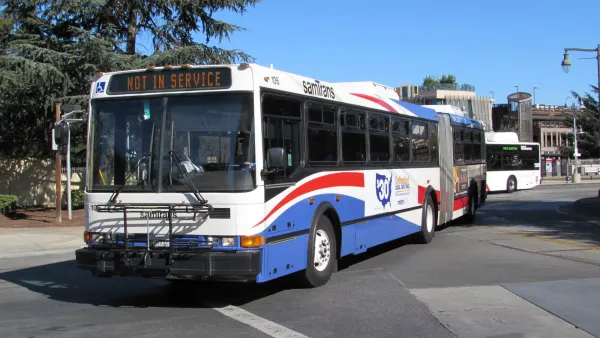
S.F. Bay Area Driver Shortage, Canceled Trips and Routes
Amid a nationwide bus driver shortage, transit agencies in the San Francisco Bay Area haven’t been able to fill vacant positions fast enough.
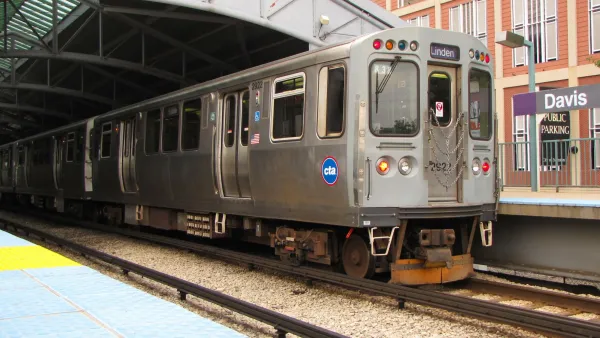
Chicago Transit Recovery Trails Behind Other Major US Cities
Sluggish ridership rates and staffing shortages are dampening recovery. Looming budget gaps could make things even worse.
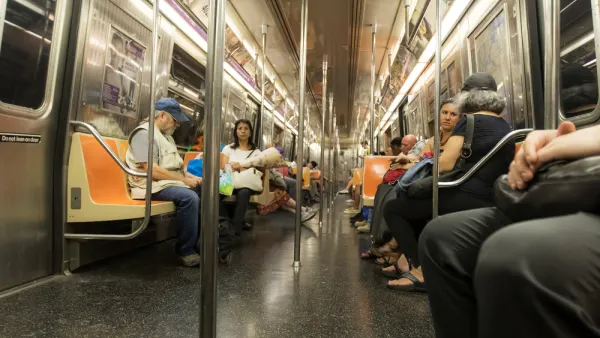
Transit Riders Face the Highest Safety Risks in These 10 States
According to federal data, the average number of safety incidents on public transportation averaged 55.2 per 100,000 people across all states between 2010 and 2023. Which states came in well above the national average?

The state-sanctioned urbicide of Austin
People don’t kill cities. Freeways do.

US to reduce Colorado River water deliveries to Mexico
A new Colorado Treaty amendment reduces Mexico’s Colorado River water allocation by 250,000 acre feet.

New Jersey’s second-largest city bans standalone data centers
Jersey City will continue to allow co-location facilities, such as those meant for research institutions that store their own data.

Amtrak not solely to blame for New Jersey commuter rail's unreliability, report finds
A new study from the Garden State Initiative found that NJ Transit’s budget grew 20% across a 4 year period, but reliability declined significantly over the same period.

EPA erases limits on planet-warming pollution from power plants
Under Monday’s plan, power plants would still have some limits on how much mercury, arsenic and other contaminants they can emit.

Phoenix announces new on-demand transit service, more frequent RAPID buses
Both new services will launch in October, and are part of Phoenix's Project Effective Access Solutions for Easing Congestion.

FREE Course: Walkable City 1: Why Walkability?
After describing his path towards focusing on walkability as the essence of good planning, Jeff Speck marches through his five principal reasons for making more walkable places.
Reinventing Malls: Planning Alchemy—Turning Gray Fields Into Gold
The course focuses on the opportunities and imperatives that shape reinvention of mall sites.

Eagle County Government
Harvard University Graduate School of Design
Nashville Planning Department
The Architects Foundation
University of Cincinnati Online
The Pocatello Development Authority
The Urban Renewal Agency of the City of Pocatello
Journal of the American Planning Association