Recently signed by Governor Jerry Brown, a new measure has increased the funds California sets aside to incentivize energy storage systems to over $1 billion.



Following a recently-signed legislative commitment to rely entirely on clean energy by 2045, outgoing California governor Jerry Brown has signed an additional measure directing $800 million to incentivize related technologies like home storage. The goal, Ivan Penn and Inyoung Kang write, "is to capture electricity generated by solar panels during daylight hours to help keep the lights on after the sun goes down."
They go on, "The funds increase the state incentives set aside for energy storage to more than $1 billion. The rebate money can be used for residential and commercial systems, including for schools, farms and businesses."
The money comes from a fee of about 50 cents a month added to utility customers' bills, and around a third of the total has been designated for low-income people to claim first. For a deeper dive on Senate Bill 100, which set the overall 2045 goal, see our August coverage.
FULL STORY: California Today: An Additional Fund for Solar Power

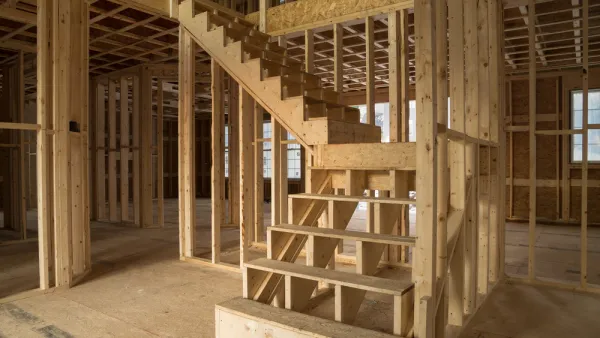
California's Housing Package, One Year Later
It's too early to gauge the long-term effects of California's housing package signed a year ago. But with a $4 billion bond on the ballot this November, some facts (and some dramas) have already made themselves known.
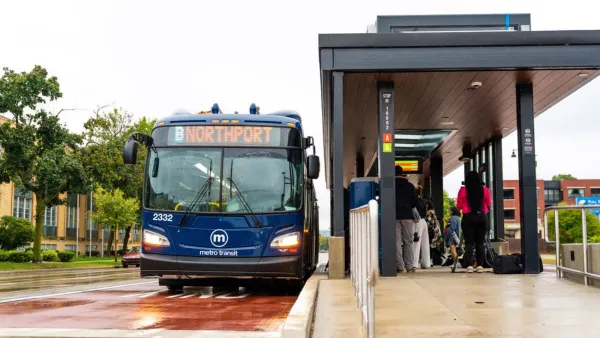
Madison’s Electric Buses Keep Running Through Brutal Freeze
A late January winter storm offered a key test for electric buses that often falter in cold temperatures.
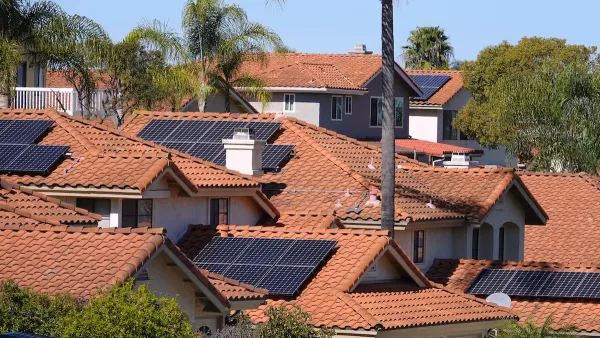
California Leads in Solar Rooftops
A combination of state and local incentives and building code mandates has helped California far outpace other states in residential rooftop solar permits.

The state-sanctioned urbicide of Austin
People don’t kill cities. Freeways do.

US to reduce Colorado River water deliveries to Mexico
A new Colorado Treaty amendment reduces Mexico’s Colorado River water allocation by 250,000 acre feet.

New Jersey’s second-largest city bans standalone data centers
Jersey City will continue to allow co-location facilities, such as those meant for research institutions that store their own data.

Amtrak not solely to blame for New Jersey commuter rail's unreliability, report finds
A new study from the Garden State Initiative found that NJ Transit’s budget grew 20% across a 4 year period, but reliability declined significantly over the same period.

EPA erases limits on planet-warming pollution from power plants
Under Monday’s plan, power plants would still have some limits on how much mercury, arsenic and other contaminants they can emit.

Phoenix announces new on-demand transit service, more frequent RAPID buses
Both new services will launch in October, and are part of Phoenix's Project Effective Access Solutions for Easing Congestion.

FREE Course: Walkable City 1: Why Walkability?
After describing his path towards focusing on walkability as the essence of good planning, Jeff Speck marches through his five principal reasons for making more walkable places.
Reinventing Malls: Planning Alchemy—Turning Gray Fields Into Gold
The course focuses on the opportunities and imperatives that shape reinvention of mall sites.

Eagle County Government
Harvard University Graduate School of Design
Nashville Planning Department
The Architects Foundation
University of Cincinnati Online
The Pocatello Development Authority
The Urban Renewal Agency of the City of Pocatello
Journal of the American Planning Association