Clean Energy
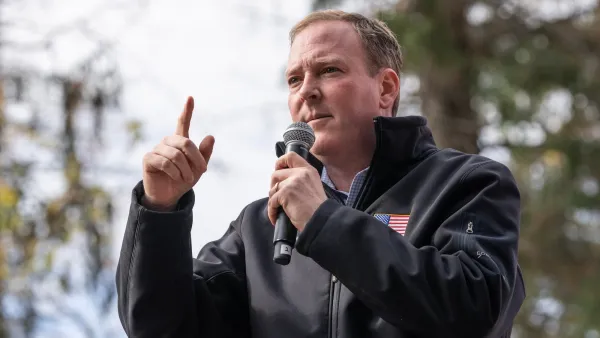
Court unfreezes $20B in federal climate grants
A U.S. Court of Appeals ruled that the Trump administration potentially violated the Inflation Reduction Act by attempting to claw back grants awarded under the Greenhouse Gas Reduction Fund program.
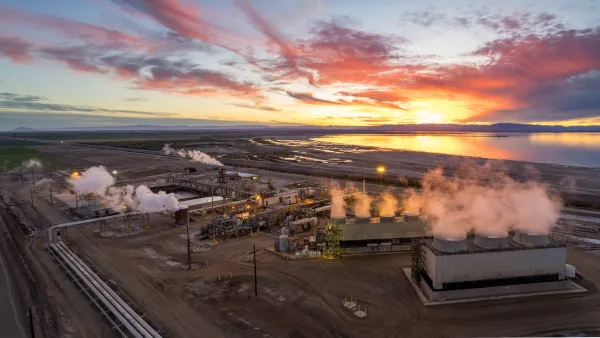
A desolate patch of Southern California desert could become a lithium powerhouse
Plans to develop lithium mines and data centers are dividing residents of a remote Southern California region.
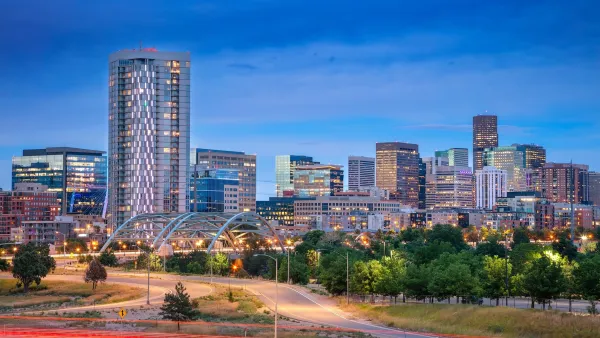
Denver is building a sewage-powered thermal energy network
A proposed thermal energy network will harness heat from the earth and from wastewater to power renewable heating and cooling systems.

California presses forward on offshore wind
The state is taking steps to prepare its grid and port infrastructure for offshore wind projects despite the federal government's pushback on the technology.
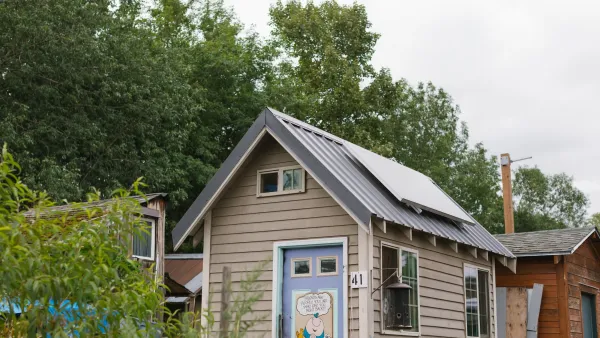
Portland's clean energy fund has generated $1 billion for climate action
Since 2019, the city has levied a 1% sales tax on large corporations to support climate resilience and clean energy projects.
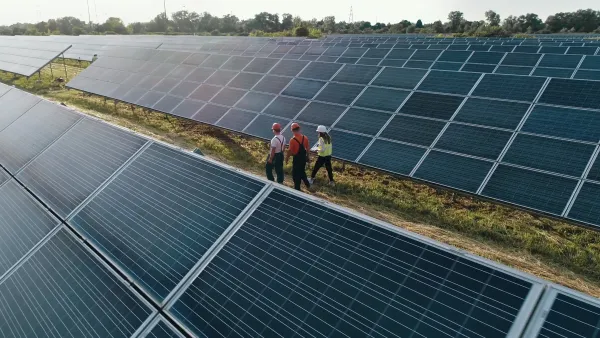
Study: States approved 90% of renewable energy projects between 2018 and 2024
Ohio had the highest rejection rate for wind and solar proposals.
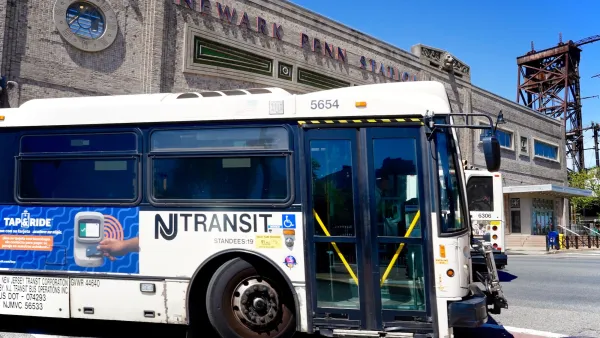
Facing Federal Funding Freeze, NJ Transit Revises Zero-emission Plan
The agency is retooling a plan to modernize its aging bus depots after the Trump administration decided to freeze nearly $324 million in grants.
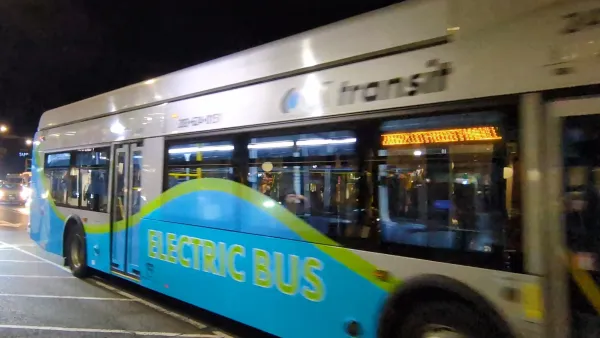
US Transit Fleets Have Bought Over 8,000 Zero-emission Buses
The number of zero-emission transit vehicles grew by 16 percent between 2024 and 2025.
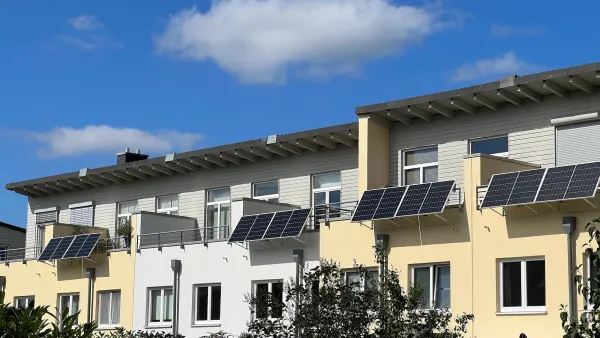
28 States and DC Could Legalize ‘Balcony Solar’
Plug-in solar panels, which are becoming popular across Europe, live in a regulatory gray area in the United States.
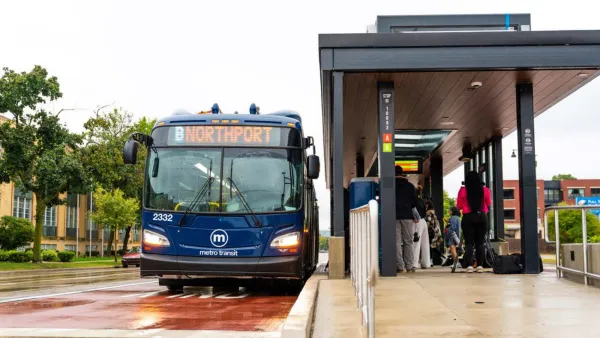
Madison’s Electric Buses Keep Running Through Brutal Freeze
A late January winter storm offered a key test for electric buses that often falter in cold temperatures.
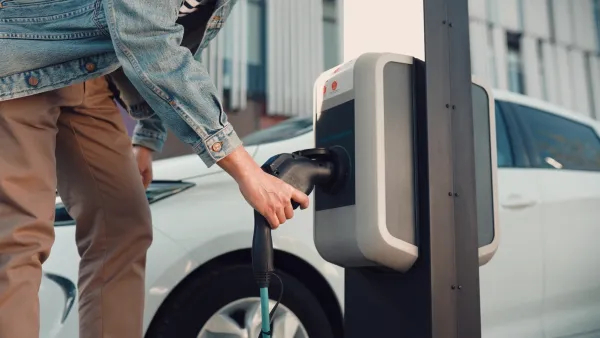
DC Installing Public, Curbside EV Chargers in All Wards
DDOT hopes the pilot program will make EV charging easier and more accessible for residents in denser neighborhoods and apartment dwellers.
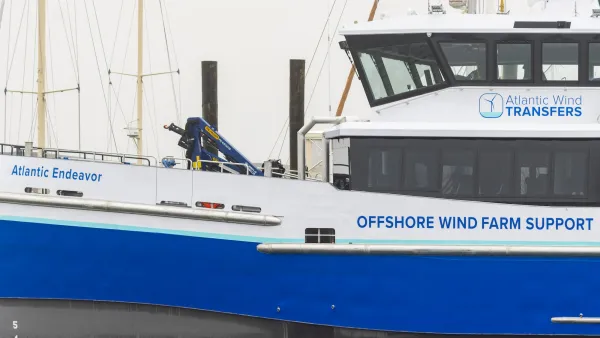
Nation’s Largest Offshore Wind Project, Suspended by Trump, Restarts Construction
A judge issued a temporary restraining order against the Trump administration’s suspension of five East Coast offshore wind projects.

Trump Administration Sues to Stop Gas Appliance Bans in California Cities, Citing ‘Crushing’ Costs
Some California cities have already retracted gas appliance bans after a judge ruled against Berkeley’s ordinance limiting gas-powered appliances in new buildings.
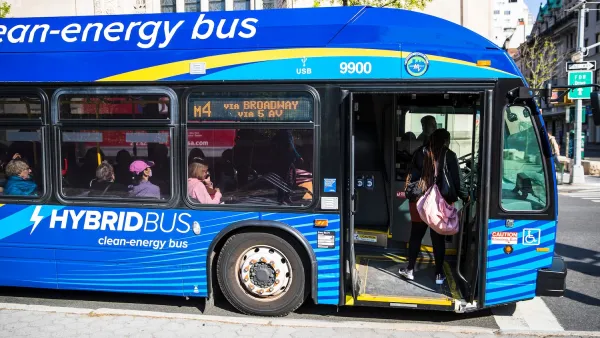
USDOT Announces $2B in Grants for Transit Buses, Favoring Hybrids Over Electric Options
The new round of grants for buses and facility upgrades doesn’t include any for battery-electric buses, favoring instead diesel-electric hybrids and CNG buses.
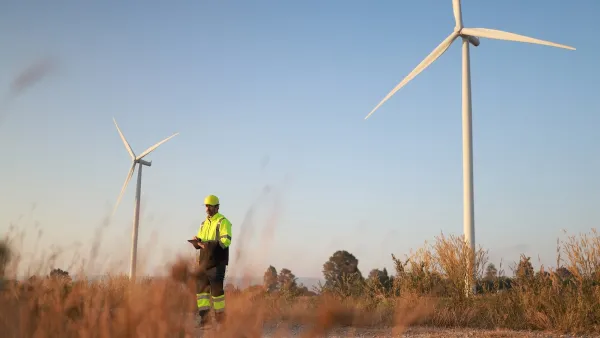
Feds Terminate $7.56 Billion for Clean Energy Projects
The Department of Energy canceled awards to over 200 renewable energy projects.
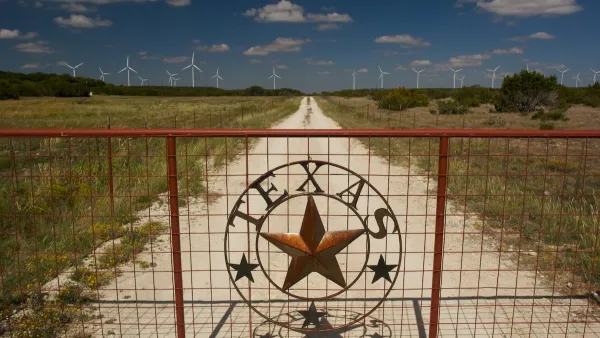
Texas Rural Communities Could Lose Billions From Renewable Energy Tax Credit Cuts
Texas produces more solar and wind energy than anywhere in America — and the tax revenue from it pays for rural schools, hospitals, law enforcement and more. The One Big Beautiful Bill threatens that.

Building a Just Energy Transition
A new book outlines a “four-plus pillars” framework for phasing out fossil fuels while addressing systemic inequities, emphasizing public support, dedicated funding, economic diversification, coalitions, and reforms that dismantle extractive systems.
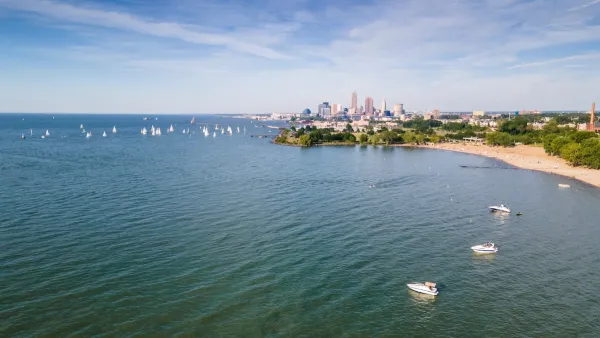
Op-Ed: The Great Lakes Could Be a Key Source of Wind Energy
States, not the federal government, have authority over wind power leases in the Great Lakes.
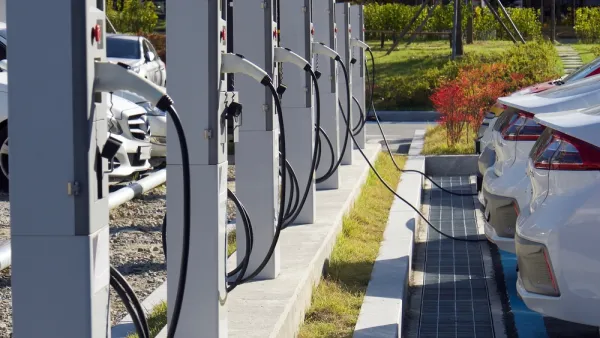
Charging Ahead: Why EV Infrastructure Is Still Expanding Despite Market Uncertainty
Electrify America is forging ahead with major charging network expansions, confident that long-term demand will keep rising despite short-term EV market and policy disruptions.
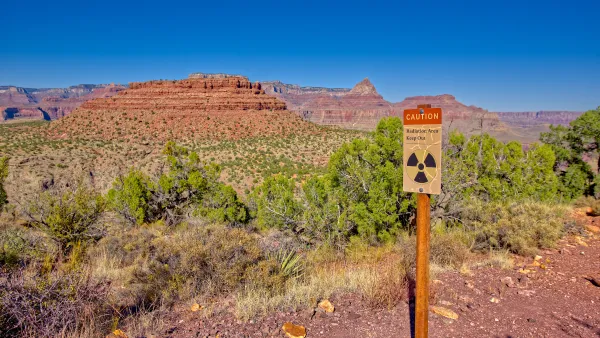
Integrating Human Rights Into Energy and Extractive Sector Transitions
Why just transition efforts must move beyond economic considerations by embedding human rights principles into business practices to ensure equitable, transparent, and accountable outcomes for affected communities and workers.

FREE Course: Walkable City 1: Why Walkability?
After describing his path towards focusing on walkability as the essence of good planning, Jeff Speck marches through his five principal reasons for making more walkable places.
Reinventing Malls: Planning Alchemy—Turning Gray Fields Into Gold
The course focuses on the opportunities and imperatives that shape reinvention of mall sites.

City of Rosemead
Rutgers University, Edward J. Bloustein School of Planning and Public Policy
One Hundred Miles
The Architects Foundation
University of Cincinnati Online
Montrose County
Northern Illinois Transit Authority (NITA)
The Pocatello Development Authority








