Transit agencies around the country have purchased over 7,000 zero-emission buses, but a federal program that funds the shift could be eliminated under the new administration.


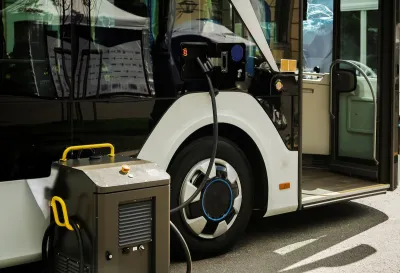
U.S. transit agencies are continuing the effort to transition to zero-emission buses, with a total of 7,026 vehicles “funded, ordered, delivered or on the road as of July 2024.”
According to an article by Dan Zukowski in Smart Cities Dive, that number grew from just over 2,000 in 2019. “California and New York lead the nation in the number of zero-emission buses, followed by Florida, Washington state and Massachusetts.”
Many of the new fleets are funded through the Federal Transit Administration (FTA) Low or No Emission Grant Program and the Grants for Bus and Bus Facilities Program. The program could be in jeopardy after new DOT leadership rescinded Biden-era environmental considerations.
FULL STORY: Transit agencies continue to add zero-emission buses to their fleets

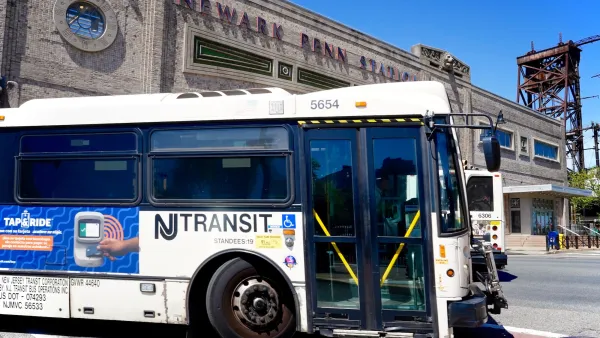
Facing Federal Funding Freeze, NJ Transit Revises Zero-emission Plan
The agency is retooling a plan to modernize its aging bus depots after the Trump administration decided to freeze nearly $324 million in grants.
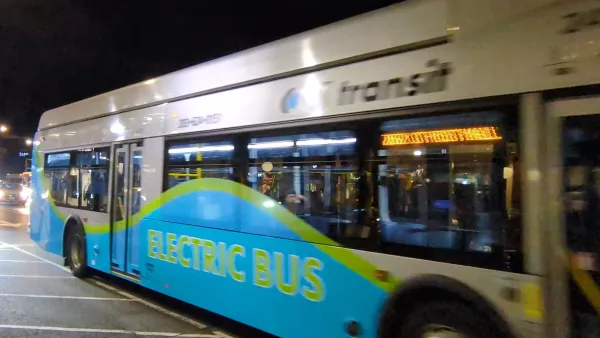
US Transit Fleets Have Bought Over 8,000 Zero-emission Buses
The number of zero-emission transit vehicles grew by 16 percent between 2024 and 2025.
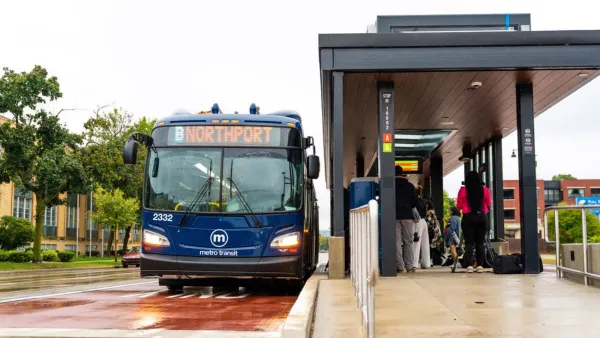
Madison’s Electric Buses Keep Running Through Brutal Freeze
A late January winter storm offered a key test for electric buses that often falter in cold temperatures.

Planetizen Federal Action Tracker
A weekly monitor of how Trump’s orders and actions are impacting planners and planning in America.

The state-sanctioned urbicide of Austin
People don’t kill cities. Freeways do.

US to reduce Colorado River water deliveries to Mexico
A new Colorado Treaty amendment reduces Mexico’s Colorado River water allocation by 250,000 acre feet.

5 New England states march closer to 800 megawatt wind energy project
Securing federal approval for the project may be complicated under the Trump administration, which has historically been hostile towards domestic wind power.

Baltimore to break ground on $50 million Transit Priority Project
The project will bring faster bus trips, safer streets and better bike connections to Baltimore.

Airbnb launches $250 million 'last-dollar financing' housing accelerator, makes first investment in Austin
The company will put $6.4 million towards affordable housing development in Texas’ capital.

FREE Course: Walkable City 1: Why Walkability?
After describing his path towards focusing on walkability as the essence of good planning, Jeff Speck marches through his five principal reasons for making more walkable places.
Reinventing Malls: Planning Alchemy—Turning Gray Fields Into Gold
The course focuses on the opportunities and imperatives that shape reinvention of mall sites.

Eagle County Government
Harvard University Graduate School of Design
Nashville Planning Department
The Architects Foundation
University of Cincinnati Online
The Pocatello Development Authority
The Urban Renewal Agency of the City of Pocatello
Journal of the American Planning Association