Bus lanes built and policed by the city of San Francisco will be open to private transit buses. Sue Vaughan argues that's a mistake.


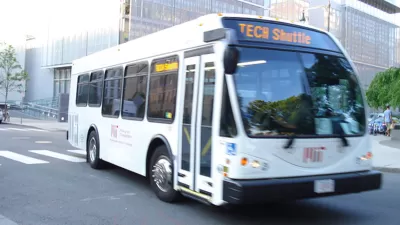
San Francisco is getting a lot of new bus lanes to speed up transit, but now the San Francisco Municipal Transportation Agency says those lanes will be open to any vehicles that fits the California Vehicle Code definition of a bus. "That means casino buses, tour buses, Chariots, and tech shuttle buses and others would all be able to compete with Muni for lane space," Sue Vaughan explains in an opinion piece for the San Francisco Examiner.
Vaughn argues that this expansion of those who can use the bus lane betrays the voters and activists who got them put in place. The Proposition K sales tax was a contentious bill, and, Vaughn argues, those supporting it were willing to pay the tax and give up street parking for transit, not to subsidize wealthy companies like Google and Apple to run shuttles down San Francisco.
FULL STORY: Private transit does not belong in dedicated bus lanes


San Francisco’s Muni Ridership Grew in 2024
The system saw its highest ridership since before the Covid-19 pandemic, but faces a severe budget shortage in the coming year.

Van Ness BRT Speeds Travel by 36%, Earns Silver Designation
The San Francisco rapid bus line is making transit on the corridor more reliable and reducing traffic crashes and congestion.

A Transit Ridership Role Reversal in California
Since the outset of the pandemic, the capital of car-oriented sprawl in California has become the king of public transit. Looking for lessons about the future of public transit in the United States? Look to San Francisco and Los Angeles.

Planetizen Federal Action Tracker
A weekly monitor of how Trump’s orders and actions are impacting planners and planning in America.

The state-sanctioned urbicide of Austin
People don’t kill cities. Freeways do.

US to reduce Colorado River water deliveries to Mexico
A new Colorado Treaty amendment reduces Mexico’s Colorado River water allocation by 250,000 acre feet.

5 New England states march closer to 800 megawatt wind energy project
Securing federal approval for the project may be complicated under the Trump administration, which has historically been hostile towards domestic wind power.

Baltimore to break ground on $50 million Transit Priority Project
The project will bring faster bus trips, safer streets and better bike connections to Baltimore.

Airbnb launches $250 million 'last-dollar financing' housing accelerator, makes first investment in Austin
The company will put $6.4 million towards affordable housing development in Texas’ capital.

FREE Course: Walkable City 1: Why Walkability?
After describing his path towards focusing on walkability as the essence of good planning, Jeff Speck marches through his five principal reasons for making more walkable places.
Reinventing Malls: Planning Alchemy—Turning Gray Fields Into Gold
The course focuses on the opportunities and imperatives that shape reinvention of mall sites.

Eagle County Government
Harvard University Graduate School of Design
Nashville Planning Department
The Architects Foundation
University of Cincinnati Online
The Pocatello Development Authority
The Urban Renewal Agency of the City of Pocatello
Journal of the American Planning Association