One way to spend the afternoon after a long day at work: waiting for a delayed train on a 104-degree subway platform.


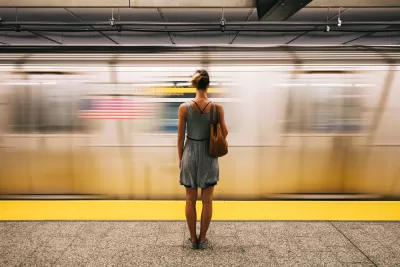
"A study released by the nonprofit Regional Plan Association (RPA) last week found that temperatures in New York City’s busiest subway stations are soaring and that the average temperatures hover around 94.5 degrees Fahrenheit," reports Jonathan Hilburg.
According to the report, the temperature of the platforms is exacerbated by the age of stations. According to Hilburg, "the city’s busiest stations are often its oldest and their design precludes centralized climate control."
Hilburg is following up on news coverage of the new study written by Aaron Gordon. Gordon's approach to the news raises the alarm about a lack of funding to implement the available solutions for the problem of rising heat in the subway system. And with longer and more intense heat waves expected as a result of climate change, the rising temperatures on subway platforms are expected to have worsening public health impacts.
Read the full story: Prepare Yourselves, There Is No Immediate Fix for Hot Subway Stations
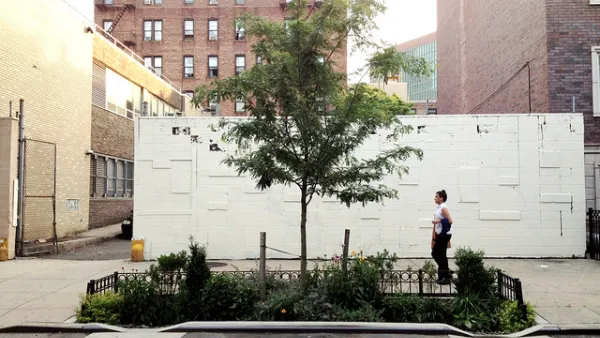
New York Needs Permeable Streets to Mitigate Future Flooding
To reduce the severity of disruptive subway flooding, the city can implement street-level solutions that absorb and redirect water before it reaches the train tunnels.
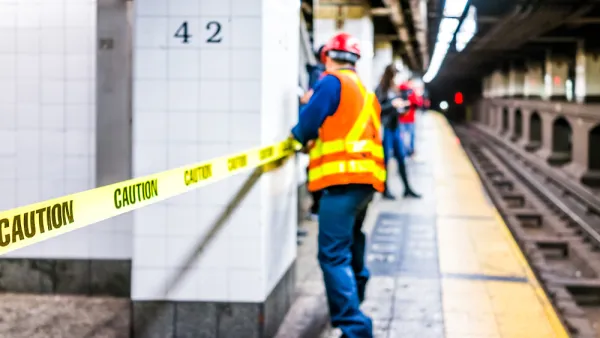
Why New York City's Flooding Its Own Subway Entrances
MTA reassured disoriented New Yorkers that it's flooding subway entrances on purpose, to test barriers that it hopes will guard the system against another Sandy.
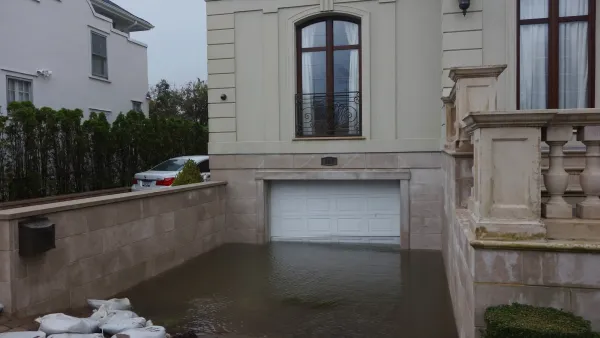
Over 500 NYC ‘Blue Zones’ at Risk of More Destructive Floods
High-risk flood zones cover roughly 20% of the city’s land.

Planetizen Federal Action Tracker
A weekly monitor of how Trump’s orders and actions are impacting planners and planning in America.

California plans to bury El Niño’s downpour
If the state plays its cards right, it may be able to store a billion acre-feet of El Niño’s water in aquifers.

Desperate measures: Advocates weigh draining Lake Powell to fill Colorado River
Draining the reservoir could reduce evaporation losses by a couple hundred thousand acre-feet.

Chicago voters approve permanent festival grounds, penalty for vacant property owners
Currently, major summer and fall festivals take over public parks for weeks at a time, drawing criticism from nearby residents

NYC votes to cut outdoor dining red tape, speed up permitting
New York City also voted to allow the Department of Transportation to begin work on urgent projects before notifying elected officials.

California appears to reject Prop. 45
The proposition would have expanded the projects that qualify for a streamlined environmental review, effectively paring down the California Environmental Quality Act.

FREE Course: Walkable City 1: Why Walkability?
After describing his path towards focusing on walkability as the essence of good planning, Jeff Speck marches through his five principal reasons for making more walkable places.
Reinventing Malls: Planning Alchemy—Turning Gray Fields Into Gold
The course focuses on the opportunities and imperatives that shape reinvention of mall sites.

City of Rosemead
Rutgers University, Edward J. Bloustein School of Planning and Public Policy
One Hundred Miles
Hunter College, City University of New York (CUNY)
The Architects Foundation
University of Cincinnati Online
City of Cambridge
Montrose County
The Pocatello Development Authority