The bill authorizing automated traffic cameras in six test cities passed by a large margin in the State Assembly.



A proposal to legalize traffic cameras in some California cities passed the State Assembly and awaits approval from the State Senate, reports Steve Scauzillo in Los Angeles Daily News.
Scauzillo explains, “Assembly Bill 645, authored by Assemblymember Laura Friedman, D-Glendale, authorizes ‘speed camera’ pilot programs in school zones and on high-injury streets with speeding problems in six cities, Los Angeles, Long Beach, Glendale, Oakland, San Jose and San Francisco.”
The bill received widespread bipartisan support in the Assembly as traffic deaths in California and around the country reach alarmingly high numbers. “In California, the pedestrian fatality rate is nearly 25% higher than the national average. In 2021 alone, 4,258 Californians died in traffic collisions, a 10.7% increase from the previous year.”
Automated enforcement is widely credited with reducing deaths and serious injuries. An Ottawa study showed a quadrupling of compliance with speed limits near one school, and “In Scottsdale, Arizona and Portland, Oregon traffic fatalities have fallen 54% since the cameras were instituted. In Washington D.C, traffic fatalities decreased by 70%.”
Read the full story: Speed camera bill gets Assembly approval, now it’s up to state Senate, governor

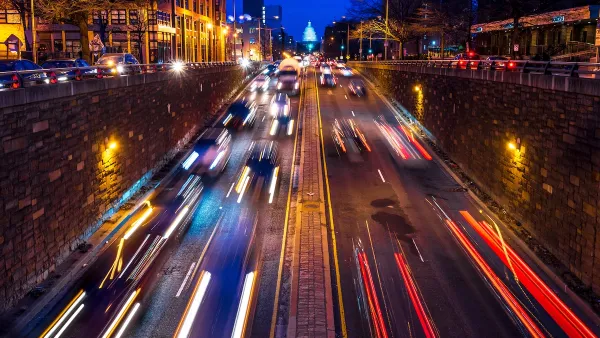
DC’s Traffic Cameras Are Working, but Not a Panacea
Automated enforcement is reducing speeding, but bigger changes to street design and the built environment are needed to make the District’s streets safer and more pleasant for people walking.
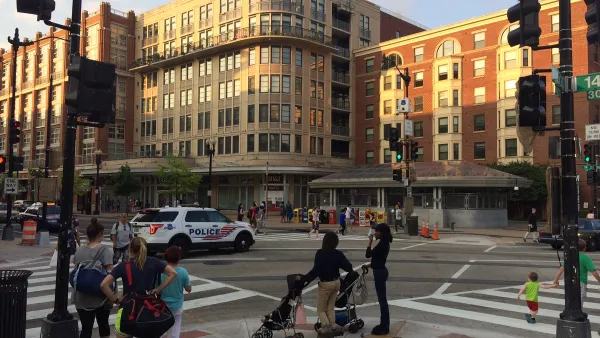
D.C. Could Expand Traffic Camera Program
D.C. Mayor Muriel Bowser wants to add hundreds of new traffic enforcement cameras to stem the city's rising rate of traffic fatalities.
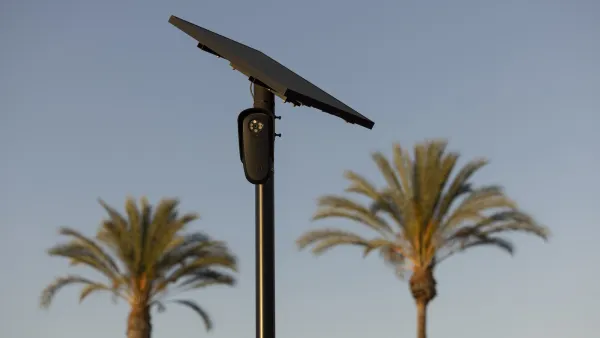
Flock cameras misread license plates in 71% of cases in California study
An analysis of 1,500 reports showed a shockingly high rate of error when reading license plates.

Planetizen Federal Action Tracker
A weekly monitor of how Trump’s orders and actions are impacting planners and planning in America.

The state-sanctioned urbicide of Austin
People don’t kill cities. Freeways do.

US to reduce Colorado River water deliveries to Mexico
A new Colorado Treaty amendment reduces Mexico’s Colorado River water allocation by 250,000 acre feet.

Nation's most wind-powered state turns to coal as data centers increase energy demand
For the first time in decades, Iowa has increased its generation of coal power.

NYC cools commuters with city's first rain garden above a bus stop
New York City officials say the plants in the rain garden can absorb 16 gallons of rainwater during heavy storms.

Brightline West’s future may rely on $6 billion federal loan
The company has until Nov. 2 to make a $400 million equity investment into its proposed high-speed rail line.

FREE Course: Walkable City 1: Why Walkability?
After describing his path towards focusing on walkability as the essence of good planning, Jeff Speck marches through his five principal reasons for making more walkable places.
Reinventing Malls: Planning Alchemy—Turning Gray Fields Into Gold
The course focuses on the opportunities and imperatives that shape reinvention of mall sites.

Eagle County Government
Harvard University Graduate School of Design
Nashville Planning Department
The Architects Foundation
University of Cincinnati Online
The Pocatello Development Authority
The Urban Renewal Agency of the City of Pocatello
Journal of the American Planning Association