The bill, aimed at testing speed cameras in the state to improve traffic safety, will go to the full State Assembly for a vote.


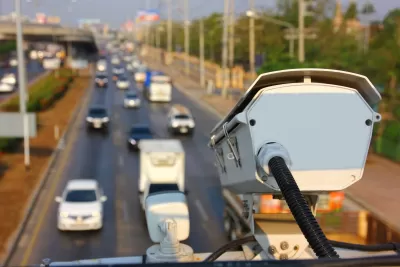
A California state bill that would create a speed camera pilot program in six cities took a major step when it cleared the Assembly Appropriations Committee, which it failed to do on several prior attempts. Now, as Melanie Curry reports in Streetsblog California, Assembly Bill 645 will go on to the full Assembly for a vote. If approved, it will move to the state Senate.
Automated traffic enforcement is a contentious topic, drawing criticism from a wide spectrum of opponents. Some groups, like the Western States Trucking Association, argue that the California bill is too vague and could impose hardships on low-income drivers, “despite the bills’ provisions for lower fines and multiple alternative arrangements for the fines.” Others, such as the American Civil Liberties Union (ACLU), raise concerns about privacy and disparate impacts on people of color, despite claims from supporters that cameras can reduce the potential for violent interactions with law enforcement.
Studies have repeatedly shown that traffic cameras help reduce average speeds and improve safety on dangerous roads.
FULL STORY: Speed Camera Bill Passes a Major Hurdle

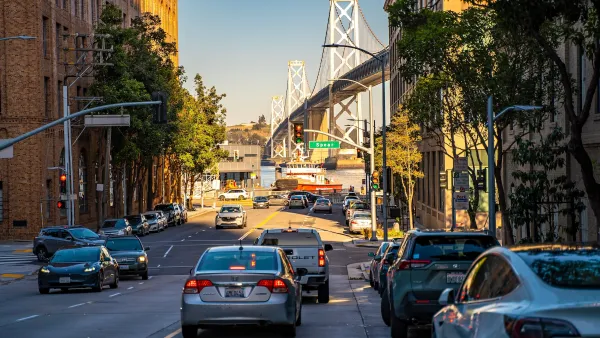
After San Francisco installed traffic cameras, speeding dropped by 80%
The city was allowed to install speed cameras as part of a five-year pilot program approved by California in 2023.

Study Assesses Attitudes on Traffic Cameras in Boston’s Black Communities
Residents are wary of the new technology’s potential for surveillance, but support boosting enforcement while reducing interaction with police.

USDOT Blocks Federal Funding for Traffic Cameras
Applicants to the Safe Streets and Roads for All grant program will not be allowed to use funds for automated traffic enforcement.

Planetizen Federal Action Tracker
A weekly monitor of how Trump’s orders and actions are impacting planners and planning in America.

The state-sanctioned urbicide of Austin
People don’t kill cities. Freeways do.

US to reduce Colorado River water deliveries to Mexico
A new Colorado Treaty amendment reduces Mexico’s Colorado River water allocation by 250,000 acre feet.

5 New England states march closer to 800 megawatt wind energy project
Securing federal approval for the project may be complicated under the Trump administration, which has historically been hostile towards domestic wind power.

Baltimore to break ground on $50 million Transit Priority Project
The project will bring faster bus trips, safer streets and better bike connections to Baltimore.

Airbnb launches $250 million 'last-dollar financing' housing accelerator, makes first investment in Austin
The company will put $6.4 million towards affordable housing development in Texas’ capital.

FREE Course: Walkable City 1: Why Walkability?
After describing his path towards focusing on walkability as the essence of good planning, Jeff Speck marches through his five principal reasons for making more walkable places.
Reinventing Malls: Planning Alchemy—Turning Gray Fields Into Gold
The course focuses on the opportunities and imperatives that shape reinvention of mall sites.

Eagle County Government
Harvard University Graduate School of Design
Nashville Planning Department
The Architects Foundation
University of Cincinnati Online
The Pocatello Development Authority
The Urban Renewal Agency of the City of Pocatello
Journal of the American Planning Association